Almost 6,000 Dead in 6 Years: How Baltimore Became the U.S. Overdose Capital
Share
Explore Our Galleries









Breaking News!
Today's news and culture by Black and other reporters in the Black and mainstream media.
Ways to Support ABHM?
From the New York Times, by Alissa Zhu, Nick Thieme and Jessica Gallagher
The city was once hailed for its response to addiction. But as fentanyl flooded the streets and officials shifted priorities, deaths hit unprecedented heights.
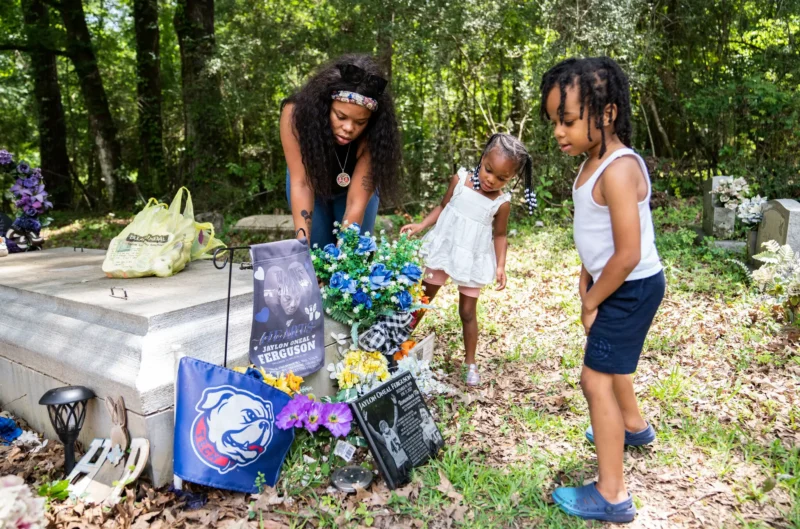
People in Baltimore have been dying of overdoses at a rate never before seen in a major American city.
In the past six years, nearly 6,000 lives have been lost. The death rate from 2018 to 2022 was nearly double that of any other large city, and higher than nearly all of Appalachia during the prescription pill crisis, the Midwest during the height of rural meth labs or New York during the crack epidemic.
A decade ago, 700 fewer people here were being killed by drugs each year. And when fatalities began to rise from the synthetic opioid fentanyl, so potent that even minuscule doses are deadly, Baltimore’s initial response was hailed as a national model. The city set ambitious goals, distributed Narcan widely, experimented with ways to steer people into treatment and ratcheted up campaigns to alert the public.
But then city leaders became preoccupied with other crises, including gun violence and the pandemic. Many of those efforts to fight overdoses stalled, an examination by The New York Times and The Baltimore Banner has found.
Health officials began publicly sharing less data. City Council members rarely addressed or inquired about the growing number of overdoses. The fact that the city’s status became so much worse than any other of its size was not known to the mayor, the deputy mayor — who had been the health commissioner during some of those years — or multiple council members until they were recently shown data compiled by Times/Banner reporters. In effect, they were flying blind.
Little of the urgency that once characterized the city’s response is evident today. Since 2020, officials have set fewer and less ambitious goals for their overdose prevention efforts. The task force managing the crisis once met monthly but convened only twice in 2022 and three times in 2023. By then, fewer people were being revived by emergency workers, fewer people were getting medication to curb their opioid addiction through Medicaid and fewer people were in publicly funded treatment programs.
In an interview, Mayor Brandon Scott defended the city’s response. He knows that Baltimore has had a severe problem with drug addiction for decades, he said, and while the analysis may provide a better understanding of its scale, it will not change his administration’s approach.
“This is an issue that we’re doing a lot of work on and that we can and will do more work on,” Mr. Scott said, “but we also know requires a lot, lot more resources” than the city has
Find more Breaking News here.
Explore our virtual exhibit galleries here.
Comments Are Welcome
Note: We moderate submissions in order to create a space for meaningful dialogue, a space where museum visitors – adults and youth –– can exchange informed, thoughtful, and relevant comments that add value to our exhibits.
Racial slurs, personal attacks, obscenity, profanity, and SHOUTING do not meet the above standard. Such comments are posted in the exhibit Hateful Speech. Commercial promotions, impersonations, and incoherent comments likewise fail to meet our goals, so will not be posted. Submissions longer than 120 words will be shortened.
See our full Comments Policy here.