Alabama Pardons 3 ‘Scottsboro Boys’ After 80 Years
Share
Explore Our Galleries









Breaking News!
Today's news and culture by Black and other reporters in the Black and mainstream media.
Ways to Support ABHM?
By Alan Blinder, the New York Times
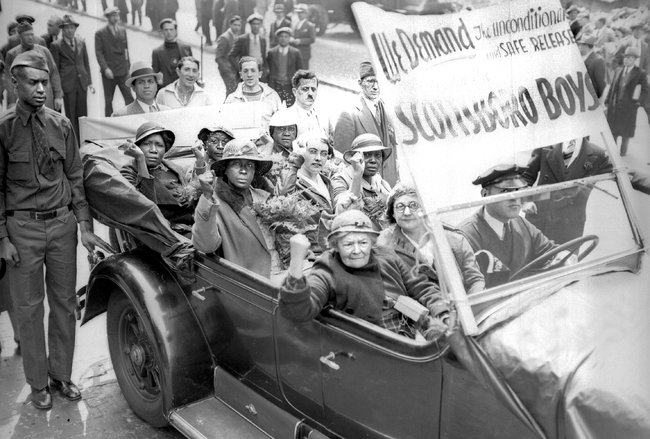
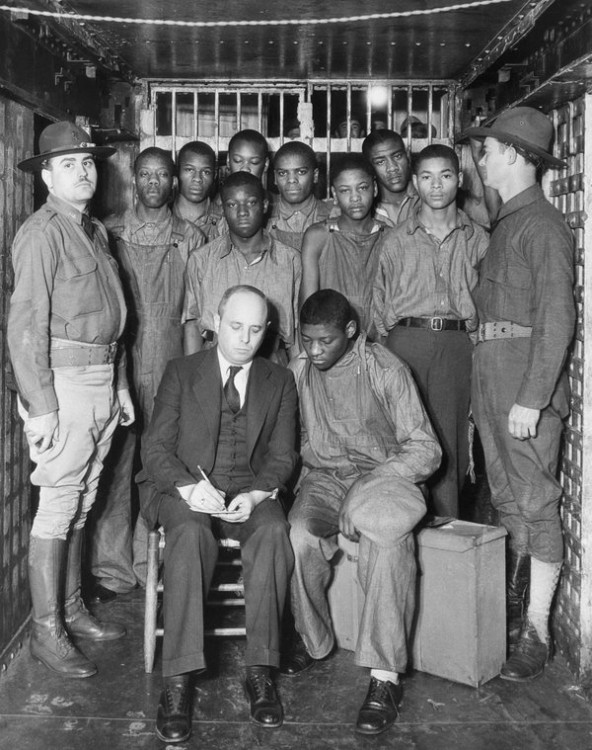
ATLANTA — More than 80 years after they were falsely accused and wrongly convicted in the rapes of a pair of white women in north Alabama, three black men received posthumous pardons on Thursday, essentially absolving the last of the “Scottsboro Boys” of criminal misconduct and closing one of the most notorious chapters of the South’s racial history.
The Alabama Board of Pardons and Paroles voted unanimously during a hearing in Montgomery to issue the pardons to Haywood Patterson, Charles Weems and Andy Wright, all of whom were repeatedly convicted of the rapes in the 1930s.
“The Scottsboro Boys have finally received justice,” Gov. Robert J. Bentley said in a statement.
Thursday’s vote brought to an end to a case that yielded two landmark Supreme Court opinions — one about the inclusion of blacks on juries and another about the need for adequate legal representation at trial — but continued to hang over Alabama as an enduring mark of its tainted past.
[…]
The men were among the group of nine teenagers who were first tried in April 1931 after a fight between blacks and whites aboard a train passing through Jackson County, in Alabama’s northeastern corner, led to allegations of sexual assault. Within weeks of the reported rapes, an Alabama judge had sentenced eight of them to death following their convictions by all-white juries. The trial of the youngest defendant, Roy Wright, ended in a hung jury amid a dispute about whether he should be executed, and he was never retried.
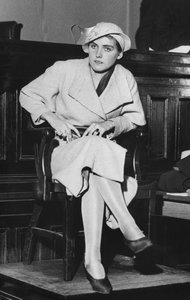
The United States Supreme Court intervened the following year, setting off a long stretch of additional appeals and trials, including one in 1933 where Ruby Bates, one of the accusers, recanted her story.
Prosecutors dropped the rape charges against five of the men in July 1937, but four others — including those pardoned on Thursday — were convicted again and initially sentenced to death or decades in prison.
State officials ultimately agreed to release three of them on parole, including Clarence Norris, who was pardoned by Gov. George Wallace in 1976. Mr. Patterson escaped from prison and fled to Michigan.
The legal wrangling became a cultural mainstay, the subject of books, songs, television documentaries and even a Broadway production.
But Sheila Washington’s interest in the Scottsboro Boys was born of a less prominent moment: She came across a copy of Mr. Patterson’s memoir in a bedroom when she was 17 years old and vowed to help the men get justice. She later founded the Scottsboro Boys Museum and Cultural Center and, in 2009, began a campaign to seek pardons for the men, with the backing of researchers and lawyers throughout the state.
Read the full story here.
Find more Breaking News here.
Comments Are Welcome
Note: We moderate submissions in order to create a space for meaningful dialogue, a space where museum visitors – adults and youth –– can exchange informed, thoughtful, and relevant comments that add value to our exhibits.
Racial slurs, personal attacks, obscenity, profanity, and SHOUTING do not meet the above standard. Such comments are posted in the exhibit Hateful Speech. Commercial promotions, impersonations, and incoherent comments likewise fail to meet our goals, so will not be posted. Submissions longer than 120 words will be shortened.
See our full Comments Policy here.