After inheriting ancestral land, these Black families are defying the odds to keep it
Share
Explore Our Galleries









Breaking News!
Today's news and culture by Black and other reporters in the Black and mainstream media.
Ways to Support ABHM?
Patrice Gaines, NBC News
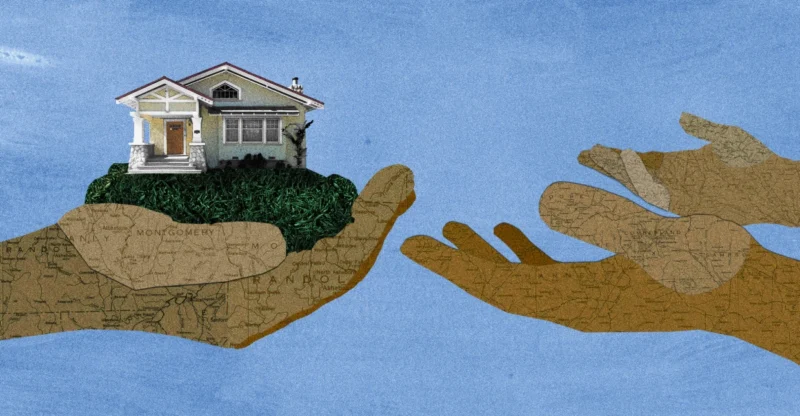
Predatory developers often target Black families whose generational land lacks clear ownership. Now, more families are securing deeds to keep their land and create real wealth.
A street sign on a dirt road leading up to a large plot of land in Nakina, North Carolina, lets you know you’re traveling down Roland Smith Lane. On that land sits a large white house — the only house standing on the 60-acre plot — that has become a vacation home for several generations of the Smith family to gather at.
The Smiths say they have done everything right to hold on to their land — and they have no intention of selling. Still, Evelyn S. Booker, who inherited the land from their mother, Esther Smith Morse, says she and her seven siblings receive letters and texts weekly from developers with offers to buy.
By 1910, Black Americans like Smith’s ancestors had acquired a cumulative 16 million acres of rural land, according to the American Economic Association. But over the century that followed, 90% of that land was lost because of threats, violent force or systematic rejection from programs offered to white landowners to help keep land through economic hardships like the Great Depression.
With distrust of local governments, which had been charged with regulating property ownership in Southern states hostile to Black equality, and legal systems that had shut out Black families, many took informal routes to pass down ownership. Attorneys and others who work to help landowners gain clear title to their land say that for decades, countless Black property owners simply passed their land on to heirs through word of mouth. But instead of guaranteeing generational wealth, the lack of clear ownership on paper has created headaches and, at worst, opened families up to losing their land in the end.
Learn about housing discrimination Black Americans have faced in the past in this virtual exhibit.
Find more Breaking News here.
Comments Are Welcome
Note: We moderate submissions in order to create a space for meaningful dialogue, a space where museum visitors – adults and youth –– can exchange informed, thoughtful, and relevant comments that add value to our exhibits.
Racial slurs, personal attacks, obscenity, profanity, and SHOUTING do not meet the above standard. Such comments are posted in the exhibit Hateful Speech. Commercial promotions, impersonations, and incoherent comments likewise fail to meet our goals, so will not be posted. Submissions longer than 120 words will be shortened.
See our full Comments Policy here.