How to Tell Your Dr. Cameron Story

Share

About ABHM

Explore Our Galleries

If you are reaching toward repair and reconciliation, click on the golden links within the captions under the logos of the groups below to connect and learn more.
Racial Repair and Reconciliation: How Can We Achieve Them?
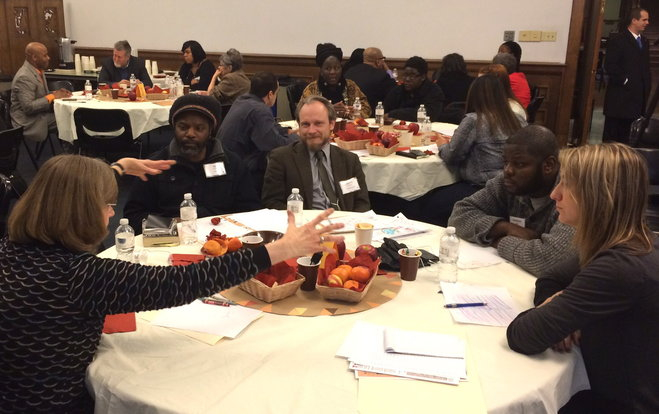
Jan Buchler, who recently retired as the director of a community-based organization, served as a facilitator of one of the diverse dialog groups at the 100th Birthday Celebration for Dr. James Cameron: A Gathering for Racial Repair and Reconciliation. (James Causey, Milwaukee Journal Sentinel)
The 2014 Gathering for Racial Repair and Reconciliation – Live!
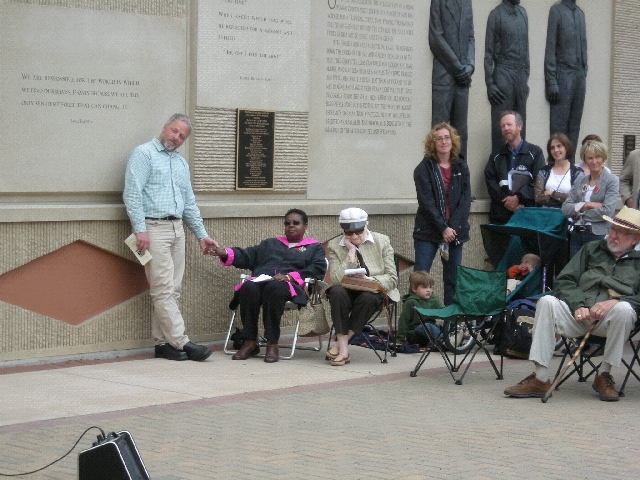
I'm holding hands with Virginia Huston, a descendant of Elmer Jackson. She was the first representative of the lynching victims to be at the memorial.
Shaking the Family Tree: My Journey of Recovery, Repair and Renovation
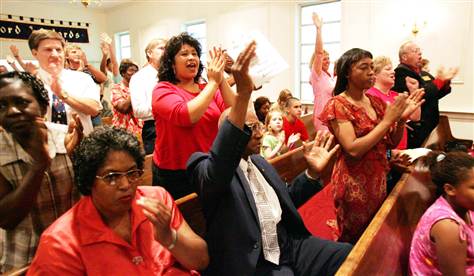
Engene Crawford, center, grandson of lynching victim Anthony Crawford, and his family react during a reconciliation service at Friendship Worship Center Tuesday in Abbeville, S.C. (Mary Ann Chastain  /  AP)
Tour: Racial Repair, Reconciliation And Redemption
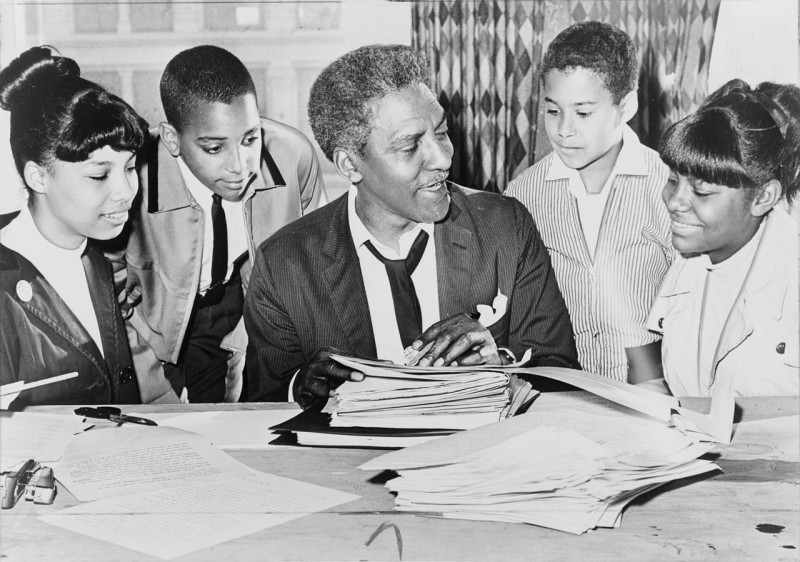
Working with young civil rights activists before a demonstration, 1964. New York World-Telegram & Sun photo by Ed Ford. Library of Congress.
Bayard Rustin: Unsung Architect of the Civil Rights Movement
EJI video explains how racial injustice persists since slavery
Why Racial Injustice Persists Today: A Very Brief Video History
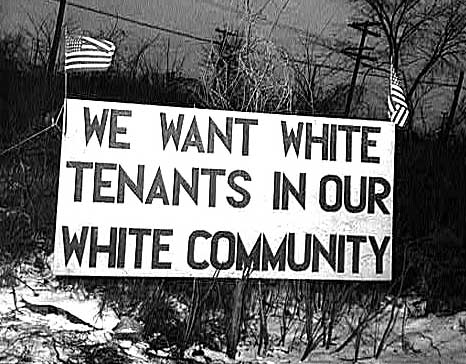
A sign in Detroit, Michigan, where a race riot took place in 1943.
Sundown Towns: Racial Segregation Past and Present
RaceLogoFace
“Race” – The History of a Persistent Myth
LA prisoners NewOrleansTimesPicayune
War on Drugs – or War on Blacks?
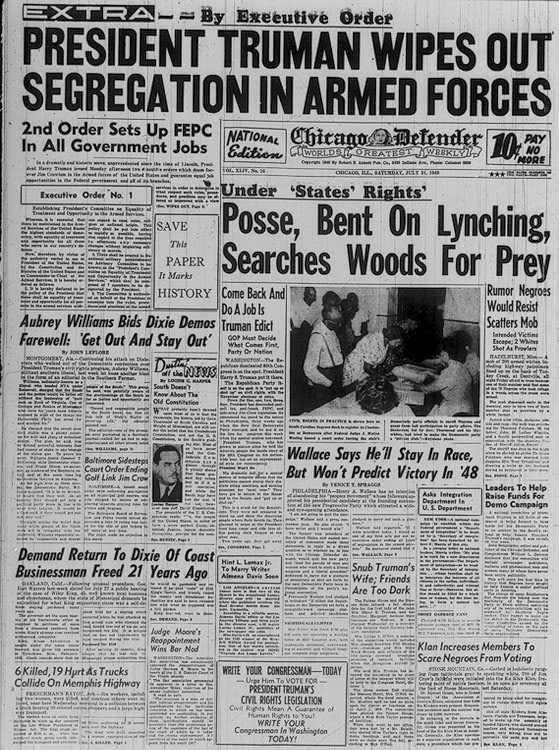
Chicago Defender page
By Us, For Us: The Crucial Role of the Black Press
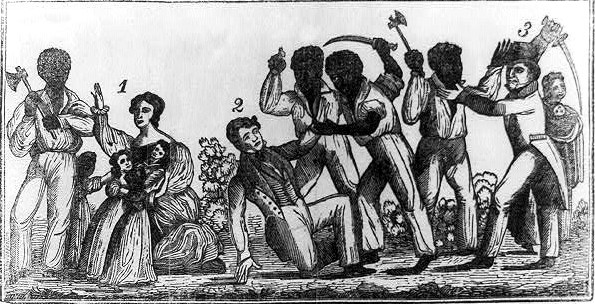
This woodcut, published in 1831 with a story about the Southampton Rebellion, was titled "Horrific Massacre in Virginia."
Nat Turner’s Rebellion: Horrific or Heroic?

Breaking News!

Today's news and culture by Black and other reporters in the Black and mainstream media.

Ways to Support ABHM?

Tell Us How You Remember Dr. Cameron!

Many people interacted with Dr. James Cameron during his long life as a civil rights pioneer, family man, worker, author, orator, educator, and museum founder.

Perhaps you were fortunate to be one of those who learned, laughed, broke bread, and/or became inspired, by this man. Here is an opportunity to share your story.

Two ways to tell your story:

• Make a short (1-3 minutes) video of yourself telling your story
• Send your story (200-800 words) in text

Send your story to video@abhmuseum.org and we will review and, if it meets our guidelines for comments, post it on this page.

In your email, please include your name, state and country, and occupation (optional).
youtube-video-thumbnail

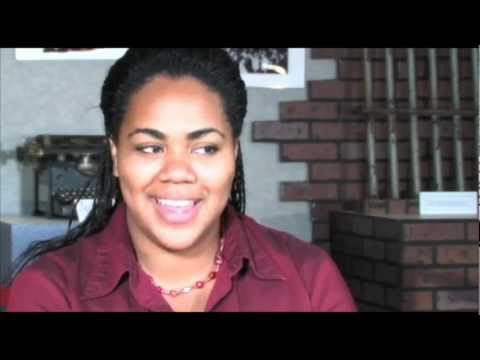
Correy Joe Biddle worked at the museum for several years. She remembers how playful and funny Dr. Cameron could be.

Comments Are Welcome

Note: We moderate submissions in order to create a space for meaningful dialogue, a space where museum visitors – adults and youth –– can exchange informed, thoughtful, and relevant comments that add value to our exhibits.

Racial slurs, personal attacks, obscenity, profanity, and SHOUTING do not meet the above standard. Such comments are posted in the exhibit Hateful Speech. Commercial promotions, impersonations, and incoherent comments likewise fail to meet our goals, so will not be posted. Submissions longer than 120 words will be shortened.

See our full Comments Policy here.

Leave a Comment