A White Father and Son Allegedly Tried to Kill a Black FedEx Driver. Did Cops Go Easy on Them?
Share
Explore Our Galleries









Breaking News!
Today's news and culture by Black and other reporters in the Black and mainstream media.
Ways to Support ABHM?
By Samantha Michaels, Mother Jones
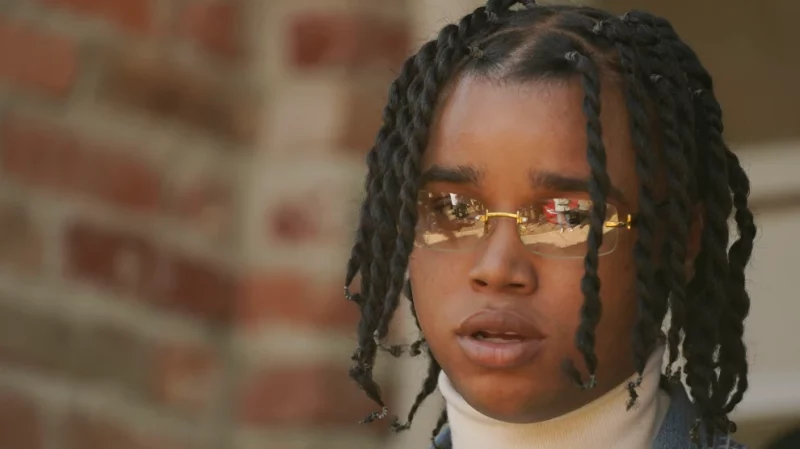
Gregory and Brandon Case, a white father and son who allegedly chased and shot at a Black FedEx driver in Brookhaven, Mississippi, have been indicted by a grand jury on charges of attempted murder, in a case that sparked protests because of the defendants’ alleged ties to—and preferential treatment by—local police, who have been accused of minimizing and mishandling incidents of racism.
On January 24, the pair allegedly accosted FedEx driver D’Monterrio Gibson, 24, who had just delivered packages on their street. As Gibson got back in his van, Gregory Case approached in a pickup truck and honked. Gibson began to pull away, thinking he was in the way, but Case swerved the truck into his path.
Gibson nervously steered around the vehicle and continued down the block, where he saw Brandon Case in the middle of the road, holding a gun and waving at him to stop. Gibson shook his head and drove around him, ducking behind the steering wheel. He heard at least five gunshots, as bullets flew through the side of the van and into some of the packages. The pair used the truck to chase Gibson out of Brookhaven and to the interstate.
Gibson wondered whether his race motivated the attack. When he called police after the shooting, a dispatcher told him that someone had reported a “suspicious person” at the address where he’d delivered his packages. “Did you do anything to make them think you were suspicious?” a cop asked Gibson when he filed a report the next day. Gibson said no—that he was wearing a FedEx uniform and doing his job.
Though Gibson presented law enforcement with evidence, including the bullet holes through his van, the Cases weren’t arrested until they turned themselves in six days later. Gibson tried and failed to convince local prosecutors to charge the men with attempted murder; instead, Brandon Case was charged with aggravated assault, and Gregory Case with conspiracy to commit assault.
The grand jury indicted both men for attempted murder anyway, a decision that Gibson described as a victory. But he still worries that law enforcement hasn’t taken the investigation seriously. The Cases, according to a lawsuit, have important connections in Brookhaven: They are allegedly related to former assistant police chief Chris Case, who retired several months after the shooting. The police department denied any relation between the men and said the former assistant chief was never involved with the investigation. But Gibson’s attorney, Carlos Moore, says other Brookhaven residents still believe there’s a family connection and remain concerned about bias. The police, Moore told reporters, are “too close to the kitchen.”
[…]
A recording of Brookhaven Police Chief Kenneth Collins has heightened those concerns.
Mother Jones has more on this case.
Some cases against police and vigilantes have more recently succeeded, but police have often overlooked cases with Black victims–including Emmett Till’s.
Comments Are Welcome
Note: We moderate submissions in order to create a space for meaningful dialogue, a space where museum visitors – adults and youth –– can exchange informed, thoughtful, and relevant comments that add value to our exhibits.
Racial slurs, personal attacks, obscenity, profanity, and SHOUTING do not meet the above standard. Such comments are posted in the exhibit Hateful Speech. Commercial promotions, impersonations, and incoherent comments likewise fail to meet our goals, so will not be posted. Submissions longer than 120 words will be shortened.
See our full Comments Policy here.