Remembrance
Explore Our Online Exhibits









Breaking News

Worldwide Community Events
Week 1
- Sun 1
- Mon 2
- Tue 3
- Wed 4
- Thu 5
- Fri 6
- Sat 7
- Sun 8
- Mon 9
- Tue 10
- Wed 11
- Thu 12
- Fri 13
- Sat 14
- Sun 15
- Mon 16
- Tue 17
- Wed 18
- Thu 19
- Fri 20
- Sat 21
- Sun 22
- Mon 23
- Tue 24
- Wed 25
- Thu 26
- Fri 27
- Sat 28
- Sun 29
- Mon 30
- Tue 31
- Wed 1
- Thu 2
- Fri 3
- Sat 4
-
04March
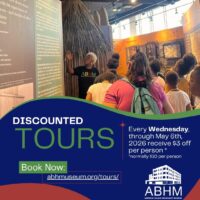
ABHM Discounted Tours
ABHM in Milwaukee, WI04March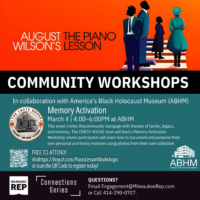 4:00 PM - 6:00 PM
Memory of Activation: Community Workshop with Milwaukee Repertory Theater
ABHM in Milwaukee, WI -
05March

National Association Arts Education Association Convention
Hyatt Regency Chicago -
06March
National Association Arts Education Association Convention
Hyatt Regency Chicago -
07March
National Association Arts Education Association Convention
Hyatt Regency Chicago07March
-
11March
ABHM Discounted Tours
ABHM in Milwaukee, WI11March
Black Enterprise Women of Power Summit 2026
Bellagio Hotel & Casino11March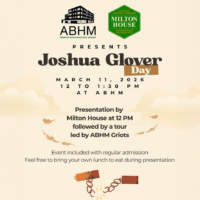
-
12March
Black Enterprise Women of Power Summit 2026
Bellagio Hotel & Casino -
13March
Black Enterprise Women of Power Summit 2026
Bellagio Hotel & Casino -
14March
Black Enterprise Women of Power Summit 2026
Bellagio Hotel & Casino14March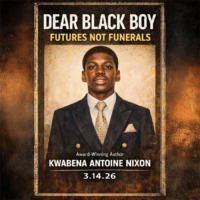
-
15March
Black Enterprise Women of Power Summit 2026
Bellagio Hotel & Casino -
18March
ABHM Discounted Tours
ABHM in Milwaukee, WI -
22March
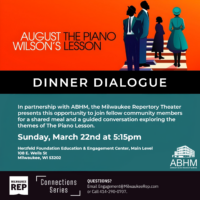 5:15 PM
Milwaukee Repertory Theater Dinner Dialogue on The Piano Lesson
Herzfeld Foundation & Engagement Center -
24March

National Association of Black Social Workers Conference
Detroit Marriott at the Renaissance Center -
25March
ABHM Discounted Tours
ABHM in Milwaukee, WI25MarchNational Association of Black Social Workers Conference
Detroit Marriott at the Renaissance Center -
26March
National Association of Black Social Workers Conference
Detroit Marriott at the Renaissance Center -
27March
National Association of Black Social Workers Conference
Detroit Marriott at the Renaissance Center -
28March
National Association of Black Social Workers Conference
Detroit Marriott at the Renaissance Center28March 9:00 AM - 3:00 PM
Justice in Action Conference with Dasha Kelly
Marquette University Alumni Union, Rm 16328March 28March
-
01April
ABHM Discounted Tours
ABHM in Milwaukee, WI
Share
"Remembrance" is one of America's Black Holocaust Museum's four themes, which serve as pillars in our virtual museum.
In every gallery, we remember important historical events and people who have played a role in civil rights or otherwise impacted the lives of Black Americans and others in the African diaspora. Some of these are well-known, but most are not. The stories told in most of ABHvM's exhibits have been left out of our history books or been told incompletely.
You will also notice how this theme appears in some events and breaking news articles, especially as new history comes to light or society finally treats certain subjects with respect.
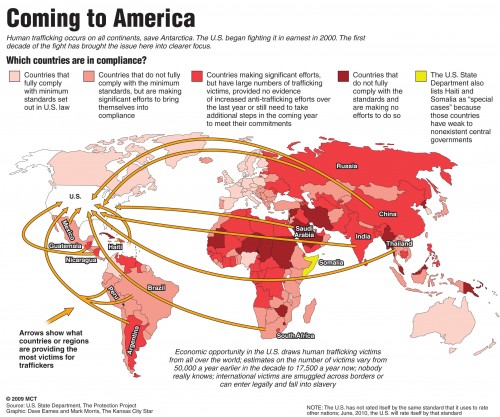
Learn about the significant complicity of the northern states in the slave trade and slaveholding in the history of slavery in the United States. Many northern industries and business were dependent on slave labor in both the North and South. Northern consumers were dependent on the products of this slave labor for food, clothing, and amenities like rum and sugar.
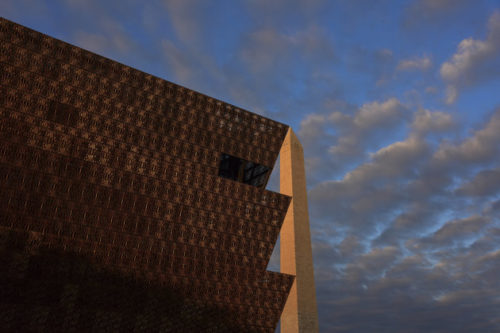
Black history has finally taking its rightful place within the Smithsonian Institution with the National Museum of African American History and Culture’s grand opening in September 2016. Discover the 100-year history of the project, take a virtual tour, watch the full dedication ceremony and video interviews.
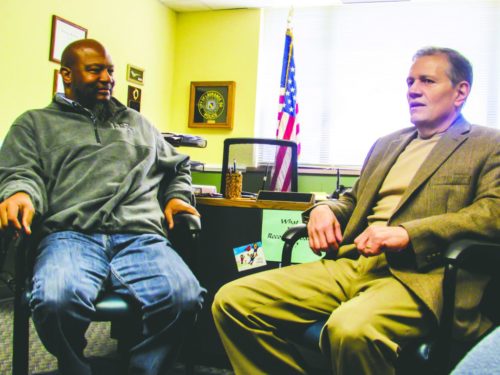
The police chief of Lagrange, Georgia, along with the city’s mayor and the white business community, issued an apology to the Callaway family and the NAACP for the 1940 lynching of teenaged Austin Callaway. A commemorative ceremony and memorial plaque will be placed to honor Callaway and other victims of lynchings in the county.
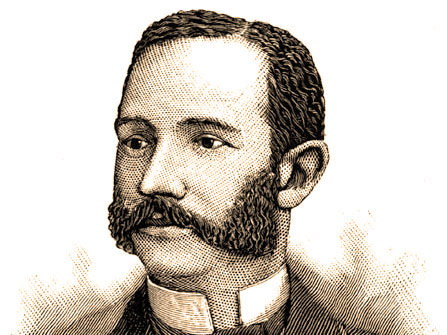
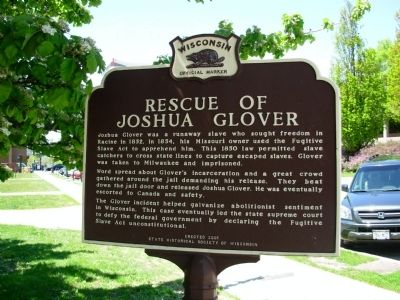
Many Milwaukeeans are familiar with the 1854 abolitionist rescue of Joshua Glover, an African American who escaped slavery and found sanctuary in Wisconsin. Far fewer know about the horrific racial lynching of George Marshall Clark, a free black man, that happened only seven years later in Milwaukee. What was their story, and how have we remembered these two men?
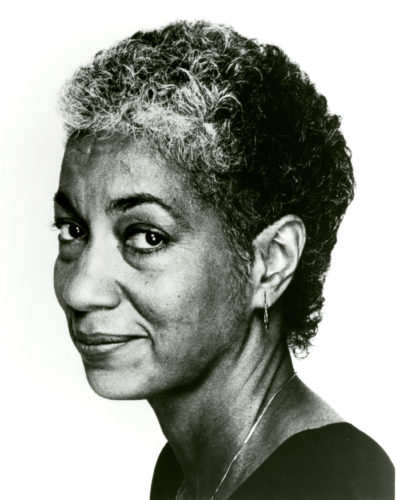
Do you know June Jordan? If not, you should! In this exhibit you can read and hear the powerful poems of this amazing Jamaican-American activist, feminist, and mother.
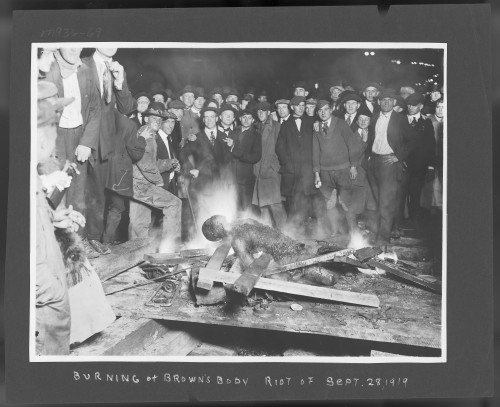
This exhibit features a video along with many links to resources that can help you better understand the phenomenon of lynchings. The video give a brief but very complete explanation of how and why racial terror lynchings took place and how they set the stage for current racial injustices.
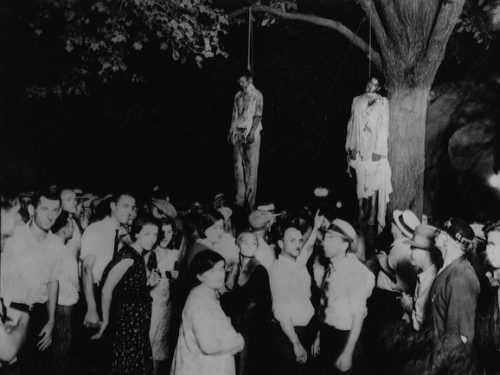
Launched online in December 2011, this is, we believe, the first memorial to remember the many victims of lynching in the United States. Here we gather their life stories, say their names, and note where and when these thousands of men, women and children were terrorized and murdered.
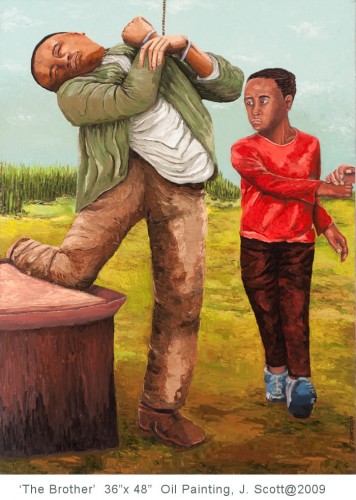
This series of six paintings and three collages is the response of Chicago artist Jennifer Scott to souvenir lynching postcards. She thought about what she did not see in the postcards: the family members left behind to take down the victim, to mourn and bury the remains-if there was enough to bury.
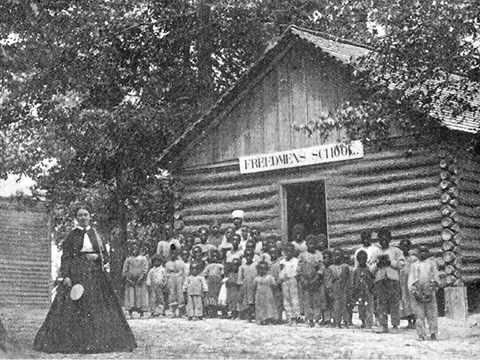
Millions of freed Black Americans built their own communities across the South post-Civil War. They worked to establish a life of freedom and prosperity for themselves and future generations. Schooling, church, and family were important pillars of community-building. They meant to enjoy their freedom to live with family, unite in marriage, raise children, worship in the open, and educate the next generation.
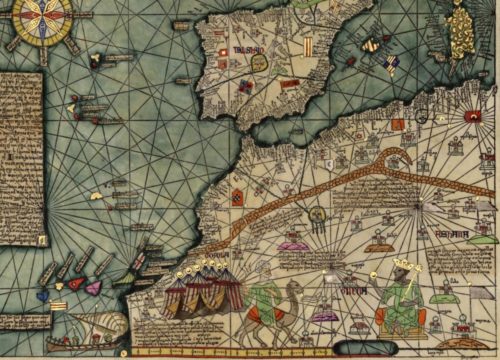
These West African empires controlled more wealth and conducted more global trade than did any European power during their time in history. They also left lasting, influential contributions to the world’s knowledge base, art, culture, and religion.
- « Previous
- 1
- 2
- 3
- 4
- Next »