Ethnic minorities in England less likely to get breast cancer diagnosis from routine screening
Share
Explore Our Galleries





Breaking News!
Today's news and culture by Black and other reporters in the Black and mainstream media.
Ways to Support ABHM?
Tobi Thomas, The Guardian
People from marginalised groups more likely to be diagnosed via urgent referral or in emergency setting, research finds.
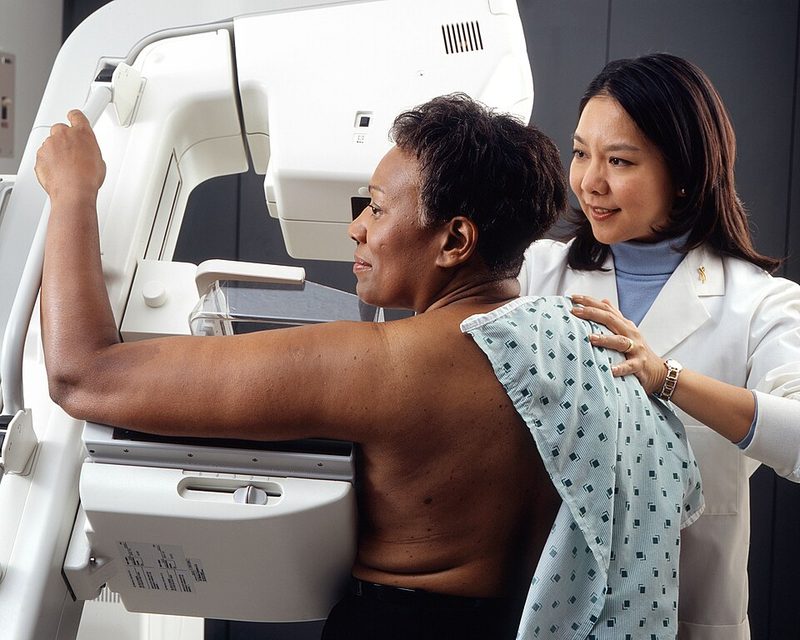
People from minority ethnic backgrounds in England are up to a third less likely to be diagnosed with breast cancer via routine screening, and are more likely to be diagnosed in an emergency setting, analysis has found.
The research, carried out by academics at the University of Surrey and funded by the charity Breast Cancer Now, involved analysis of 86,564 adults diagnosed with the disease between 2009 and 2019, from the Clinical Practice Research Datalink and the Cancer Registration Tumour and Treatment datasets.
The analysis found that people from Black, Asian and mixed backgrounds, alongside people from deprived backgrounds, were up to 33% less likely to be diagnosed with breast cancer via screening, while these groups were also up to 31% more likely to be diagnosed via urgent suspected cancer referral, and up to 37% more likely to be diagnosed via emergency presentation.
Manveet Basra, the associate director of public health, inclusion and awareness at Breast Cancer Now, said the analysis revealed that people from marginalised groups “face inequalities at every stage of their breast cancer experience, and tragically this impacts their survival rates”.
Basra added: “This research helps us understand who is less likely to be diagnosed with breast cancer via screening, [who] might wait longer to get diagnosed or experience delays in treatment, and knowing what barriers they face enables us to work towards eliminating them.
“Determined to improve breast cancer care and survival rates outcomes, we’re funding world-class research that actively identifies and addresses inequities, working with policymakers to improve equal access to screening, and ensuring our information, campaigns and life-changing support services reflect the diverse needs of everyone affected by this devastating disease.”
Breast cancer is the most common cancer worldwide among women. It accounts for about one in four cases of cancer and is one of the leading causes of death in women under 50. Identifying women at higher risk early can pave the way for additional screening or preventive treatment.
Read the full article here.
Read about medical racism and how the advent of the use of AI in medicine may affect people of color.
Comments Are Welcome
Note: We moderate submissions in order to create a space for meaningful dialogue, a space where museum visitors – adults and youth –– can exchange informed, thoughtful, and relevant comments that add value to our exhibits.
Racial slurs, personal attacks, obscenity, profanity, and SHOUTING do not meet the above standard. Such comments are posted in the exhibit Hateful Speech. Commercial promotions, impersonations, and incoherent comments likewise fail to meet our goals, so will not be posted. Submissions longer than 120 words will be shortened.
See our full Comments Policy here.