Meghan Markle discusses the ‘angry Black woman’ stereotype with Issa Rae and Ziwe
Share
Explore Our Galleries









Breaking News!
Today's news and culture by Black and other reporters in the Black and mainstream media.
Ways to Support ABHM?
By Alex Portée, Today
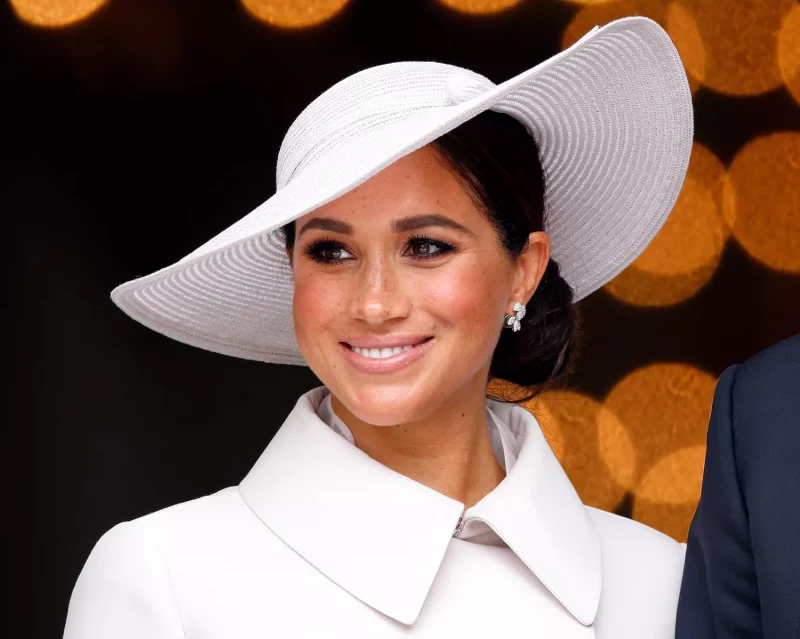
Meghan, the Duchess of Sussex, recently addressed the stereotype of the “angry Black woman” in the latest episode of her podcast, “Archetypes.”
The racial stereotype that paints and interprets Black women as temperamental, overly loud, prone to violence and often bitter also fuels harmful perceptions of Black women in ways that can hold them back in their lives and careers. In her years since stepping down as a senior member of the royal family, Meghan has been vocal about how racism has impacted her mental health, career and relationships.
On Tuesday, Oct. 25, the former actor tackled the stereotype’s concept, history and impact with actor Issa Rae and television host and comedian Ziwe. The three women discussed how the trope had been applied to them and how it inspired them to change the entertainment industry.
Diving into the subject, Meghan referenced a book she read during the early stages of the COVID-19 pandemic, called “Algorithms of Oppression,” which examines how the digital age has influenced our perception of each other. One part of the book talks about how search engines’ autofill features have the potential to influence people’s thoughts.
Meghan recalled how the book’s author typed “why are Black women so…” on a search engine, resulting in options like, “Why are Black women so loud?”; “Why are Black women so mean?”; and “Why are Black women so angry?”
“Those were the seeds being planted,” Meghan noted at the start of the podcast. “We all know that sometimes things make you feel angry or sad or hurt or upset — and that’s not a gender or racially specific feeling. Yet, this trope of the angry Black woman, it persists.”
The “angry Black woman” is one example of persistent stereotypes. However, many campaigns aim to fight these stereotypes.
Comments Are Welcome
Note: We moderate submissions in order to create a space for meaningful dialogue, a space where museum visitors – adults and youth –– can exchange informed, thoughtful, and relevant comments that add value to our exhibits.
Racial slurs, personal attacks, obscenity, profanity, and SHOUTING do not meet the above standard. Such comments are posted in the exhibit Hateful Speech. Commercial promotions, impersonations, and incoherent comments likewise fail to meet our goals, so will not be posted. Submissions longer than 120 words will be shortened.
See our full Comments Policy here.