What is a Griot?
Share
About ABHM
Explore Our Galleries









Breaking News!
Today's news and culture by Black and other reporters in the Black and mainstream media.
Ways to Support ABHM?
Scholar-Griot: Fran Kaplan, EdD

What is a "Griot"?
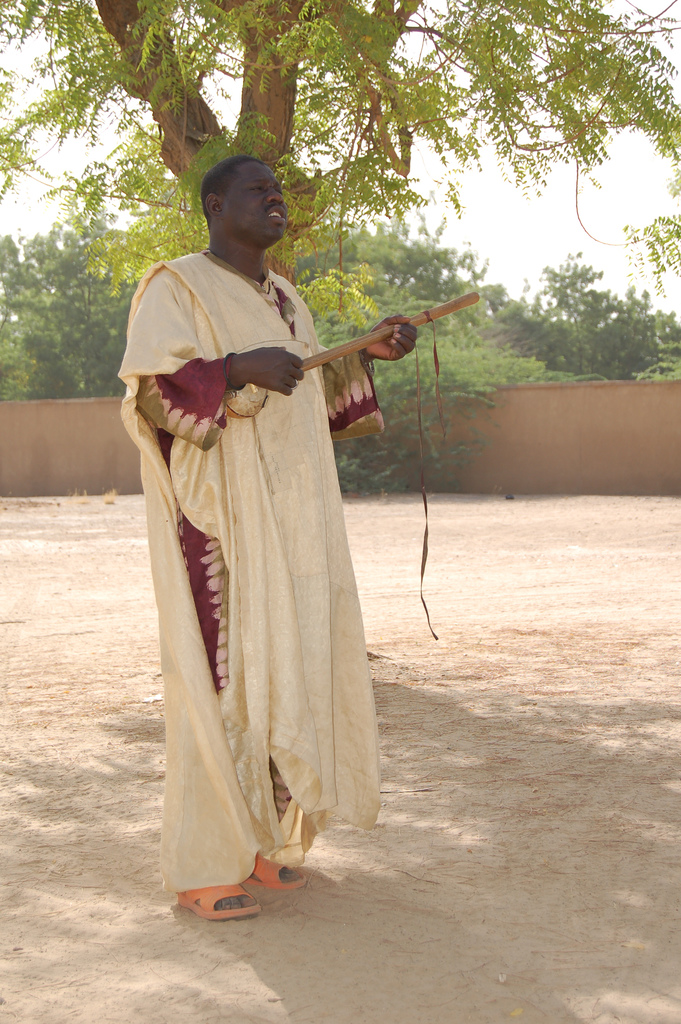
"Griot" (pronounced GREE-oh) is the French name given to the oral historians of West Africa. Traditionally griots travel from city to city and village to village as living newspapers, carrying in their heads an incredible store of local history and current events. They pass on their knowledge of history by singing traditional songs, which they must recite accurately, without errors or deviations. Like rappers, they also make up songs as they go to share current events, gossip, political commentary and satire.
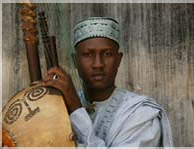
Being a griot is often an inherited position, and griots generally marry other griots. There are still many practicing griots in West Africa today. Most often they accompany themselves on the kora, a 21-string harp made from half of a large gourd covered with animal skin. The strings, made of gut or fishing line, are plucked with the fingers. Griots may also play other traditional and modern instruments and are often very accomplished musicians.
Griots at the Museum
At ABHM we call our online exhibit curators and our museum docents "griots," because they tell our history. Griots have always been part of ABHM. At our onsite museum, we train volunteer griots to show groups around our exhibits. They answer questions and facilitate discussion to help visitors make sense of what they see and feel. For our online museum, scholars from around the world serve as griots, researching and writing the exhibits.
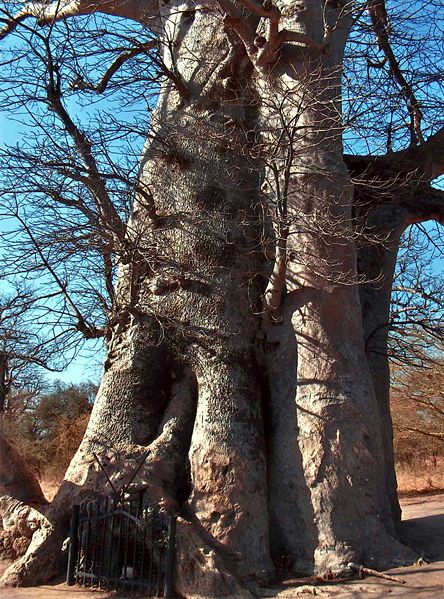
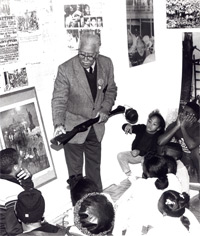
Griots in Africa Today
Read about how griots are applying their conflict-resolution skills in Africa right now, and why this traditional peacemaker's role is threatened, here.
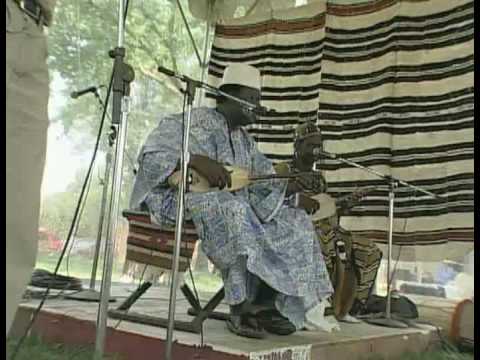
In this well-made short video by a young person, famous griots perform at an event sponsored by the Smithsonian Institution in Washington DC.
About the Scholar-Griot
Dr. Fran Kaplan has been the volunteer Coordinator and Head Curator of ABHM's Virtual Museum since 2011. Fran has spent fifty-five years working against poverty and for social justice and peace locally, nationally, and internationally. She holds a Doctorate in Educational Leadership and a Master’s in Social Work. Fran’s work as an adult educator, social worker and community organizer has taken her into various arenas, including farmworker rights, women’s healthcare, child protection, parenting education, and public history. She has served as an executive, program, and training director. She currently does equity training and consulting as co-owner of Nurturing Diversity Partners.
Comments Are Welcome
Note: We moderate submissions in order to create a space for meaningful dialogue, a space where museum visitors – adults and youth –– can exchange informed, thoughtful, and relevant comments that add value to our exhibits.
Racial slurs, personal attacks, obscenity, profanity, and SHOUTING do not meet the above standard. Such comments are posted in the exhibit Hateful Speech. Commercial promotions, impersonations, and incoherent comments likewise fail to meet our goals, so will not be posted. Submissions longer than 120 words will be shortened.
See our full Comments Policy here.
This is very interesting and helpful.