Tupac Shakur’s stepfather to be freed from prison after more than 35 years
Share
Explore Our Galleries









Breaking News!
Today's news and culture by Black and other reporters in the Black and mainstream media.
Ways to Support ABHM?
By Char Adams, NBC News
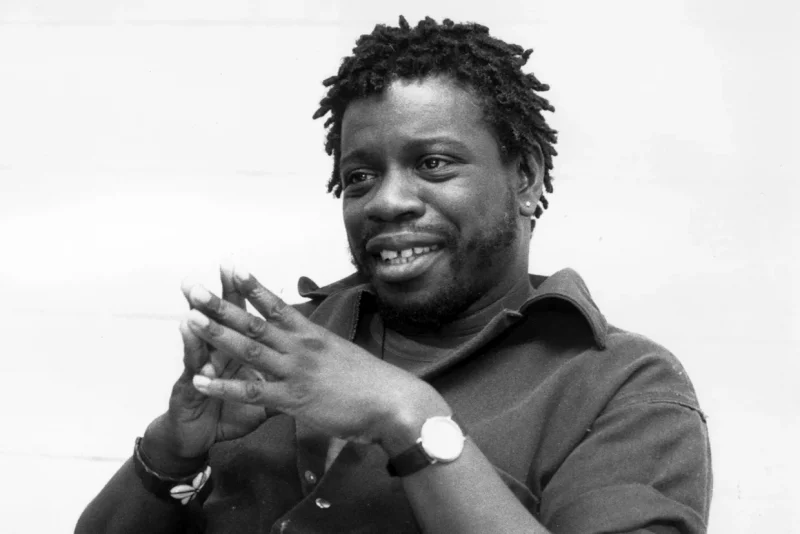
fter more than 35 years in prison, Mutulu Shakur, Tupac Shakur’s stepfather, will be released on parole on Dec. 16, when he’ll spend what are expected to be his final days among family and friends.
The U.S. Parole Commission in October granted a request to release Shakur, an activist and holistic health care advocate, now 72, according to court documents obtained by NBC News. The decision to grant parole was made public on Thursday.
Shakur has several health issues, most notably stage-3 multiple myeloma, a blood cancer that can affect the bones and kidneys. He is being held at a federal medical center in Lexington, a prison in Kentucky for incarcerated people who require care.
“There are a lot of tears of joy,” Jomo Muhammad, an organizer with the Malcolm X Grassroots Movement, who has been working to free Shakur, said of the decision. “There’s still disbelief because we were steadying ourselves for another denial. Now folks are excited about being able to reunite Mutulu with his family. We were crying together. It’s a long time overdue.”
Learn how activists secure Shakur’s release. Sadly, his trauma may not be over.
Comments Are Welcome
Note: We moderate submissions in order to create a space for meaningful dialogue, a space where museum visitors – adults and youth –– can exchange informed, thoughtful, and relevant comments that add value to our exhibits.
Racial slurs, personal attacks, obscenity, profanity, and SHOUTING do not meet the above standard. Such comments are posted in the exhibit Hateful Speech. Commercial promotions, impersonations, and incoherent comments likewise fail to meet our goals, so will not be posted. Submissions longer than 120 words will be shortened.
See our full Comments Policy here.