Trump disparages Somalia. But it is key to US counterterrorism efforts.
Share
Explore Our Galleries









Breaking News!
Today's news and culture by Black and other reporters in the Black and mainstream media.
Ways to Support ABHM?
Audrey Thibert, Christian Science Monitor
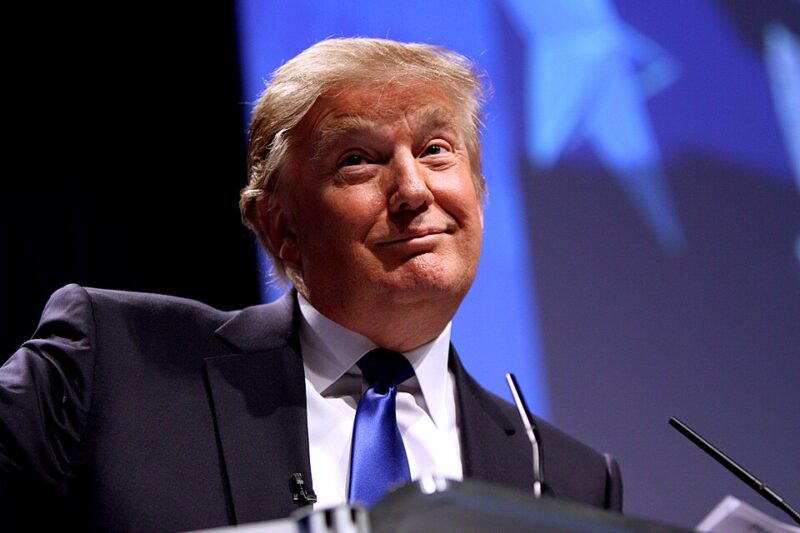
This month, President Donald Trump ended a Cabinet meeting with a vitriolic attack against Somali migrants. He called them “garbage,” said their country “stinks,” and declared that he does not want them in the United States. Immigration and Customs Enforcement raids and a promise to revoke protected status for certain Somali migrants followed.
The president’s actions are a response to recent charges brought against 78 people, mostly of Somali descent, in Minnesota who are accused of stealing hundreds of millions of dollars earmarked for social services in the state. But they mirror a broader trend of the Trump administration using the criminal conduct of individuals as a pretext to target an entire immigrant community, such as Haitians in Ohio and Venezuelans in Colorado.
As in those cases, critics say the president’s remarks play to stereotypes and obscure complex history.
“Anyone who violates the law of the land must face the consequences of that,” says Afyare Abdi Elmi, a research professor of political science at the City University of Mogadishu, in Somalia’s capital. “But racially and ethnically targeting and profiling one group is not acceptable.”
Who are the Somalis in the U.S. and how did they end up here?
About a quarter of a million people of Somali descent live in the United States – one of the largest Somali communities outside of Africa. Of these, around 80,000 live in Minnesota, including prominent figures such as Rep. Ilhan Omar, the first Somali American elected to the U.S. House.
Ms. Omar’s story mirrors that of the diaspora at large: In 1991, when she was 8 years old, her family fled Somalia to escape a brutal civil war.
[…]
Why is Trump so angry at the Somali community in Minnesota?
Mr. Trump’s most recent comments refer largely to a COVID-era fraud scandal when hundreds of millions of dollars were stolen from a federally funded nutrition program designed to provide meals to children during the pandemic. Federal prosecutors have charged dozens of people in the case, most of them of Somali ancestry.
Meanwhile, President Trump has also recently announced plans to terminate Somalis’ Temporary Protected Status, an immigration designation that lets migrants from certain countries stay in the U.S. temporarily because of wars, environmental disasters, or “other extraordinary … conditions.” He also initiated an ICE operation in the Minneapolis area called Operation Metro Surge, which has detained at least 19 immigrants, eight of them Somali.
That has created fear and panic among Somalis in Minnesota, the vast majority of whom are American citizens with no criminal ties.
Recently, a Somali couple in Wisconsin faced racism while trying to order food.
Comments Are Welcome
Note: We moderate submissions in order to create a space for meaningful dialogue, a space where museum visitors – adults and youth –– can exchange informed, thoughtful, and relevant comments that add value to our exhibits.
Racial slurs, personal attacks, obscenity, profanity, and SHOUTING do not meet the above standard. Such comments are posted in the exhibit Hateful Speech. Commercial promotions, impersonations, and incoherent comments likewise fail to meet our goals, so will not be posted. Submissions longer than 120 words will be shortened.
See our full Comments Policy here.