This New Biden Rule Means Healthier Water for Black Communities
Share
Explore Our Galleries









Breaking News!
Today's news and culture by Black and other reporters in the Black and mainstream media.
Ways to Support ABHM?
by Jennifer Porter Gore, Word in Black
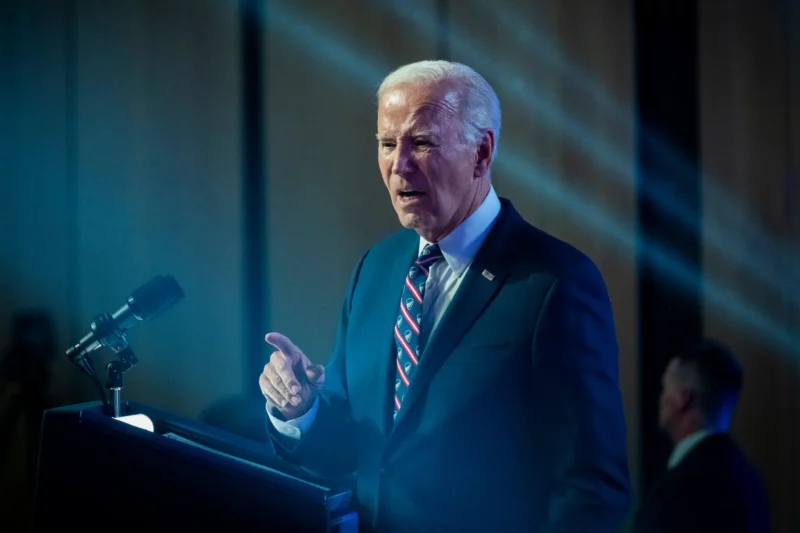
A decade after the Flint, Michigan, water crisis made national headlines, the Biden administration finalized a landmark rule on Tuesday requiring water utilities nationwide to locate and replace all lead pipes in their infrastructure systems by 2034.
Speaking at a public works field office in Milwaukee, President Joe Biden called the new rule an overdue environmental-justice win for underserved communities, which he said had “borne the brunt of lead poisoning for damn too long.”
The Lead and Copper Rule Improvements addresses what is widely known as a major public health threat that is particularly dangerous to infants and children. Lead exposure in public drinking water is a longstanding issue that has disproportionately affected the nation’s Black communities for decades.
Along with the new rule, EPA announced $2.6 billion in newly available drinking water infrastructure funding through the Bipartisan Infrastructure Law. These funds will support lead pipe replacement and inventory projects, and 49% of the funding must go to disadvantaged communities as grants that do not need to be repaid.
Keep reading to learn why the issue exploded a decade ago.
Some water quality issues may stem from redlining.
Comments Are Welcome
Note: We moderate submissions in order to create a space for meaningful dialogue, a space where museum visitors – adults and youth –– can exchange informed, thoughtful, and relevant comments that add value to our exhibits.
Racial slurs, personal attacks, obscenity, profanity, and SHOUTING do not meet the above standard. Such comments are posted in the exhibit Hateful Speech. Commercial promotions, impersonations, and incoherent comments likewise fail to meet our goals, so will not be posted. Submissions longer than 120 words will be shortened.
See our full Comments Policy here.