This Day in Black History: Justice Prevails After 39 Years for Four Little Girls
Share
Explore Our Galleries









Breaking News!
Today's news and culture by Black and other reporters in the Black and mainstream media.
Ways to Support ABHM?
From the African American Registry
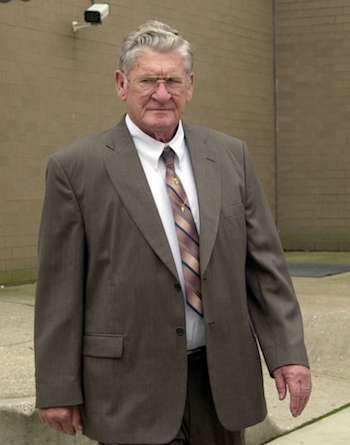
On this date in 2002, the last of the bomb killers of four Black children in Alabama was convicted.
Closing the books on the deadliest crime of the civil rights era, a jury convicted an aging former Klansman of murder for the 1963 church bombing that shook the nation’s soul. The verdict, reached by a racially mixed jury in less than seven hours of deliberation, brought tears from relatives on both sides and a statement of defiance from the 71-year-old defendant, Bobby Frank Cherry.
He was automatically sentenced to spend the rest of his life in prison. Asked by the judge if he had any comment, Cherry stood and pointed directly at prosecutors. “This whole bunch lied all the way through this thing,” his Southern drawl steady and clear in the courtroom. “I told the truth. I don’t know why I’m going to jail for nothing.” The crime exposed the chilling depth of racial hatred that Black protesters faced in the Deep South and helped bring racial moderates off the sidelines in the civil rights struggle. Within two years, as protests spread in the wake of the bombing, Congress passed federal civil rights and voting rights laws.
Read more about the bombing here.
That day’s violence also ended the lives of two boys.
Don’t forget to stop by our breaking news page.
Comments Are Welcome
Note: We moderate submissions in order to create a space for meaningful dialogue, a space where museum visitors – adults and youth –– can exchange informed, thoughtful, and relevant comments that add value to our exhibits.
Racial slurs, personal attacks, obscenity, profanity, and SHOUTING do not meet the above standard. Such comments are posted in the exhibit Hateful Speech. Commercial promotions, impersonations, and incoherent comments likewise fail to meet our goals, so will not be posted. Submissions longer than 120 words will be shortened.
See our full Comments Policy here.