The Lingering Legacy of Lynching and Trayvon Martin
Share
Explore Our Galleries









Breaking News!
Today's news and culture by Black and other reporters in the Black and mainstream media.
Ways to Support ABHM?
By Jackie Olive, Always In Season Island
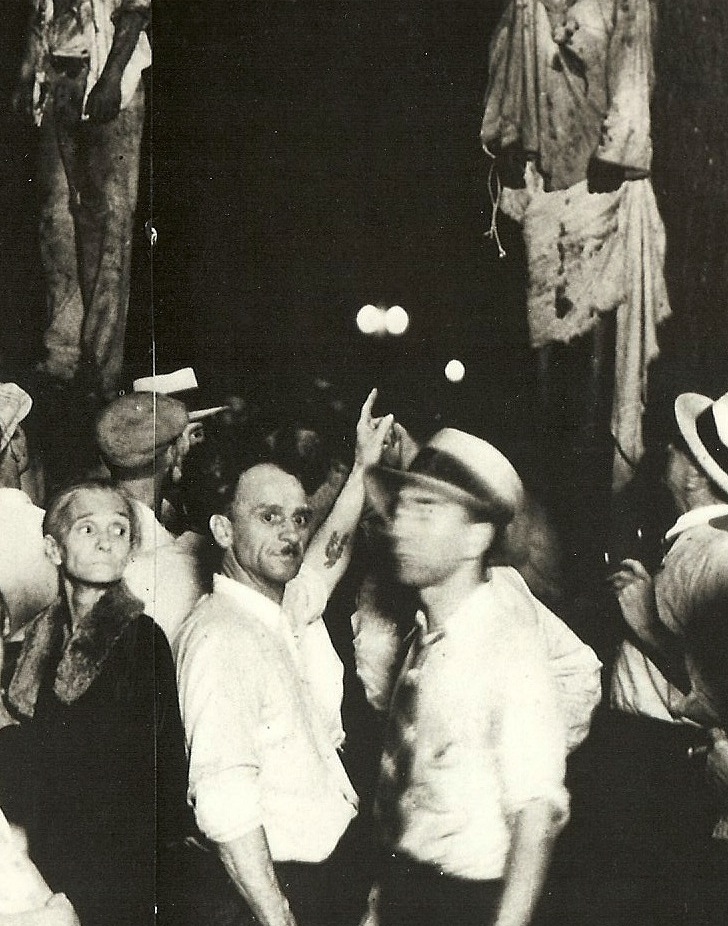
When I learned that 17-year old Trayvon Martin was gunned down by a man who registered his boyish face and casual presence in his gated-community as dangerous, I once again felt the sorrow of mothers and fathers who for generations agonized over how best to protect their children from the horrors of lynching.
I am painfully aware that unlike Trayvon, Oscar Grant’s head was not covered by a hoodie when shot in the back by officers on a railway platform in Oakland, California in 2009. Nor was 49-year old James Craig Anderson’s when he was beaten and run over with a truck by a group of white teens in Brandon, Mississippi in 2011. When 14-year old Emmett Till’s mutilated body was dumped in the Tallahatchie River in 1955 and family patriarch, Anthony Crawford, was stabbed, beaten, shot, and hanged in Abbeville, South Carolina in 1916–neither of these victims of lynchings wore hoodies. What these black males have in common with Trayvon is that they were beloved by their families and friends, moving through life with many of the same values and dreams that we all share, yet someone else saw them as less than human.
Learn more about the documentary Always in Season.
Stop by our Memorial to Lynching Victims.
Comments Are Welcome
Note: We moderate submissions in order to create a space for meaningful dialogue, a space where museum visitors – adults and youth –– can exchange informed, thoughtful, and relevant comments that add value to our exhibits.
Racial slurs, personal attacks, obscenity, profanity, and SHOUTING do not meet the above standard. Such comments are posted in the exhibit Hateful Speech. Commercial promotions, impersonations, and incoherent comments likewise fail to meet our goals, so will not be posted. Submissions longer than 120 words will be shortened.
See our full Comments Policy here.