Special News Series: Rising Up For Justice! – Documents Reveal How the Police Kept Daniel Prude’s Death Quiet
Share
Explore Our Galleries









Breaking News!
Today's news and culture by Black and other reporters in the Black and mainstream media.
Ways to Support ABHM?
Introduction To This Series:
This post is one installment in an ongoing news series: a “living history” of the current national and international uprising for justice.
Today’s movement descends directly from the many earlier civil rights struggles against repeated injustices and race-based violence, including the killing of unarmed Black people. The posts in this series serve as a timeline of the uprising that began on May 26, 2020, the day after a Minneapolis police officer killed an unarmed Black man, George Floyd, by kneeling on his neck. The viral video of Floyd’s torturous suffocation brought unprecedented national awareness to the ongoing demand to truly make Black Lives Matter in this country.
The posts in this series focus on stories of the particular killings that have spurred the current uprising and on the protests taking place around the USA and across the globe. Sadly, thousands of people have lost their lives to systemic racial, gender, sexuality, judicial, and economic injustice. The few whose names are listed here represent the countless others lost before and since. Likewise, we can report but a few of the countless demonstrations for justice now taking place in our major cities, small towns, and suburbs.
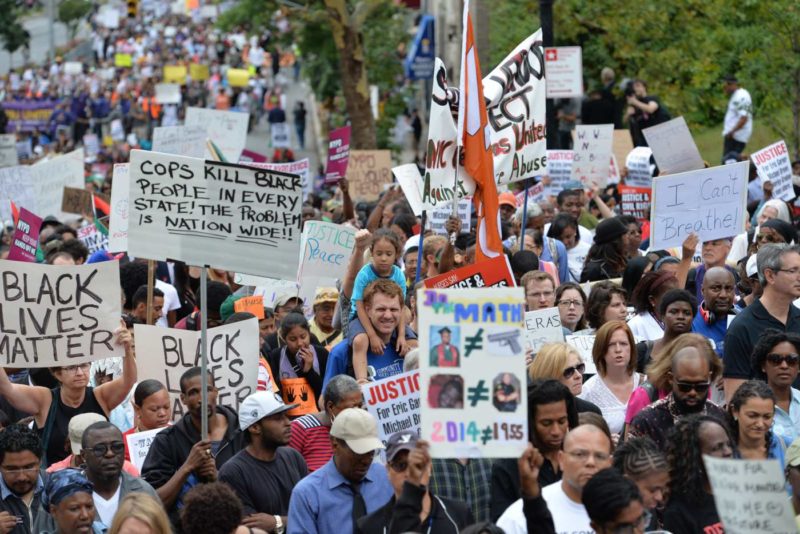
To view the entire series of Rising Up for Justice! posts, insert “rising up” in the search bar above.
Documents Reveal How the Police Kept Daniel Prude’s Death Quiet
Officials in Rochester, N.Y., spent months trying to suppress video footage of the police encounter that led to Mr. Prude’s death.
By Michael Wilson and Edgar Sandoval, New York Times
September 15, 2020
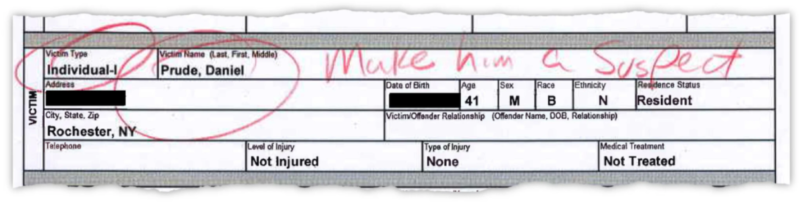
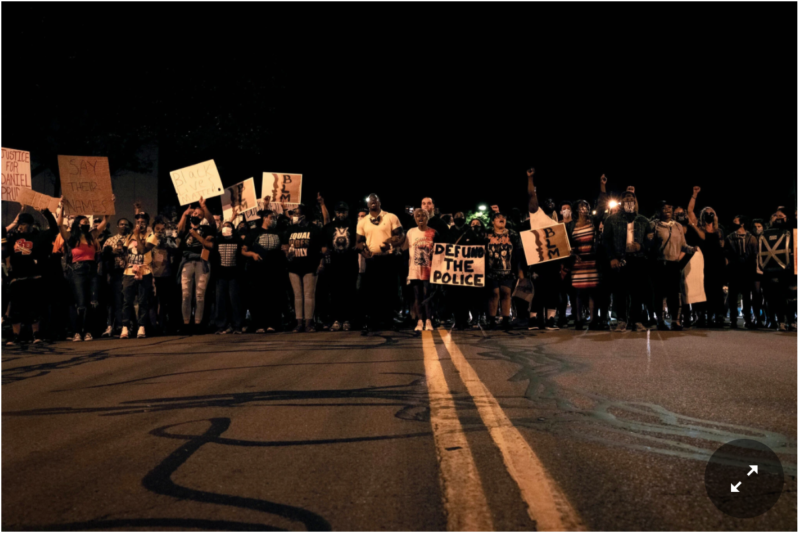
ROCHESTER, N.Y. — It was early June, days after the death of George Floyd, and cities around the country were erupting in protests against police brutality.
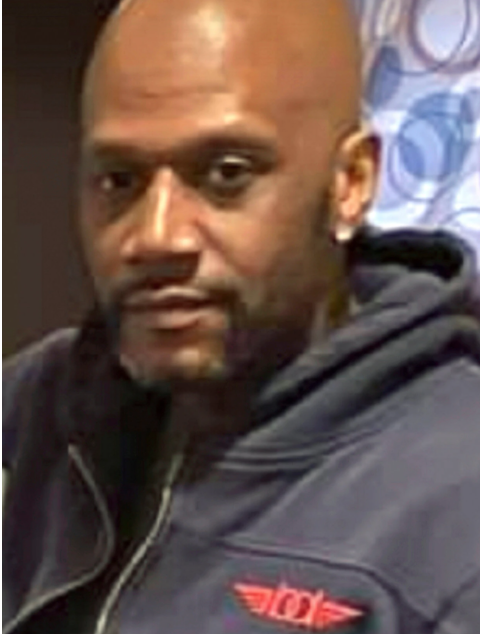
In Rochester, the streets were relatively calm, but behind closed doors, police and city officials were growing anxious. A Black man, Daniel Prude, had died of suffocation in March after police officers had placed his head in a hood and pinned him to the ground. The public had never been told about the death, but that would change if police body camera footage of the encounter got out.
“We certainly do not want people to misinterpret the officers’ actions and conflate this incident with any recent killings of unarmed Black men by law enforcement nationally,” a deputy Rochester police chief wrote in an email to his boss. “That would simply be a false narrative, and could create animosity and potentially violent blowback in this community as a result.”
His advice was clear: Don’t release the body camera footage to the Prude family’s lawyer. The police chief replied minutes later: “I totally agree.”
The June 4 exchange was contained in a mass of city documents released on Monday that show how prominent Rochester officials did everything in their power to keep the troubling videos of the incident out of public view, and to prevent damaging fallout from Mr. Prude’s death.
Read the full article here.
More Breaking News here.
Explore the ABHM galleries here.
Comments Are Welcome
Note: We moderate submissions in order to create a space for meaningful dialogue, a space where museum visitors – adults and youth –– can exchange informed, thoughtful, and relevant comments that add value to our exhibits.
Racial slurs, personal attacks, obscenity, profanity, and SHOUTING do not meet the above standard. Such comments are posted in the exhibit Hateful Speech. Commercial promotions, impersonations, and incoherent comments likewise fail to meet our goals, so will not be posted. Submissions longer than 120 words will be shortened.
See our full Comments Policy here.