Special News Series: Rising Up For Justice! – Black National Convention builds unity for Black liberation
Share
Explore Our Galleries









Breaking News!
Today's news and culture by Black and other reporters in the Black and mainstream media.
Ways to Support ABHM?
Introduction To This Series:
This post is one installment in an ongoing news series: a “living history” of the current national and international uprising for justice.
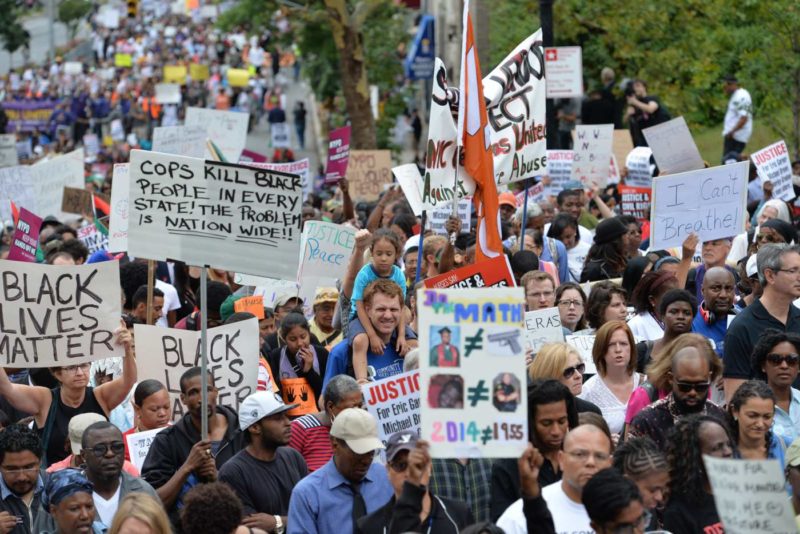
Today’s movement descends directly from the many earlier civil rights struggles against repeated injustices and race-based violence, including the killing of unarmed Black people. The posts in this series serve as a timeline of the uprising that began on May 26, 2020, the day after a Minneapolis police officer killed an unarmed Black man, George Floyd, by kneeling on his neck. The viral video of Floyd’s torturous suffocation brought unprecedented national awareness to the ongoing demand to truly make Black Lives Matter in this country.
The posts in this series focus on stories of the particular killings that have spurred the current uprising and on the protests taking place around the USA and across the globe. Sadly, thousands of people have lost their lives to systemic racial, gender, sexuality, judicial, and economic injustice. The few whose names are listed here represent the countless others lost before and since. Likewise, we can report but a few of the countless demonstrations for justice now taking place in our major cities, small towns, and suburbs.
To view the entire series of Rising Up for Justice! posts, insert “rising up” in the search bar above.
Black National Convention targets police violence, builds unity for Black liberation
By Jamal Rich, People’s World
September 1, 2020
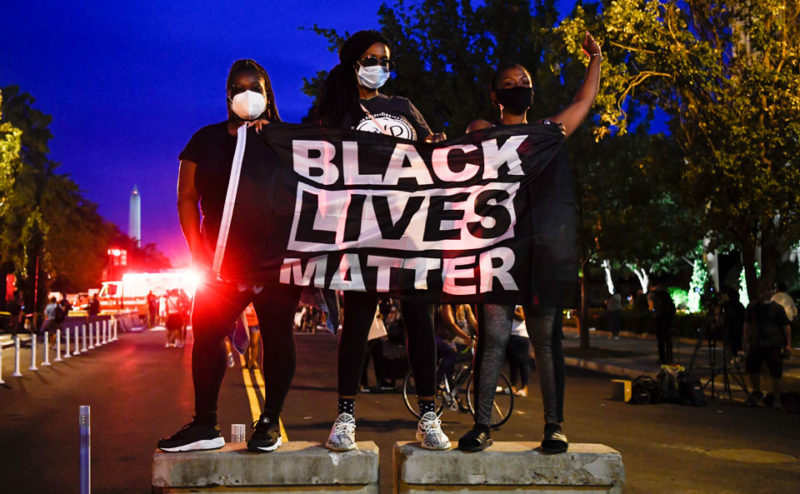
The Movement for Black Lives (M4BL) and the Electoral Justice Project joined forces to bring together Black organizers and activists from across the country this past Friday, Aug. 29, for the 2020 Black National Convention (BNC), a “multi-hour broadcast filled with energy, celebration, education, electoral justice, and a vision for Black lives before the biggest election of our time and long after.”
A central theme of discussions was fighting against police violence and the struggle for full economic and racial justice. Many crucial struggles were centered in these conversations, such as the Moms 4 Housing organization, which was a group of unhoused mothers in Oakland, Calif., who occupied vacant homes to expose real estate speculation and displacement of Black communities through gentrification…
During the convention opening and various sessions, attendees heard from a community of organizers, influencers, artists, and activists, including Phillip Agnew of Dream Defenders, Tarana J. Burke, founder of the #MeToo movement, Kendrick Sampson, Kayla Reed of Electoral Justice Project, Angelica Ross, star of FX’s Pose, and others. They also were treated to music by Black performers such as Saul Williams.
The conference is part of a historical lineage of national Black progressive conferences that started in 1972 with the Gary, Ind., National Black Political Convention and the Black Radical Congress, which was founded in 1998 in Chicago.
Another focus of the convention was the BREATHE Act, unveiled by M4BL in July. The proposal amounts to a modern-day civil rights bill in defense of Black lives. It would divest taxpayer dollars from policing and incarceration and invest in true public safety, equity, and self-determination. It has already been championed by Reps. Ayanna Pressley, D-Mass., and Rashida Tlaib, D-Mich.
Read the full article here.
More Breaking News here.
Explore the ABHM galleries here.
Comments Are Welcome
Note: We moderate submissions in order to create a space for meaningful dialogue, a space where museum visitors – adults and youth –– can exchange informed, thoughtful, and relevant comments that add value to our exhibits.
Racial slurs, personal attacks, obscenity, profanity, and SHOUTING do not meet the above standard. Such comments are posted in the exhibit Hateful Speech. Commercial promotions, impersonations, and incoherent comments likewise fail to meet our goals, so will not be posted. Submissions longer than 120 words will be shortened.
See our full Comments Policy here.