New Wave of African Writers With an Internationalist Bent
Share
Explore Our Galleries









Breaking News!
Today's news and culture by Black and other reporters in the Black and mainstream media.
Ways to Support ABHM?
By FELICIA R. LEE, New York Times

More than a decade ago, when the young Nigerian writer Chimamanda Ngozi Adichie was struggling to get her first novel, “Purple Hibiscus,” published, an agent told her that things would be easier “if only you were Indian,” because Indian writers were in vogue. Another suggested changing the setting from Nigeria to America. Ms. Adichie didn’t take this as commentary on her work, she said, but on the timidity of the publishing world when it came to unknown writers and unfamiliar cultures, especially African ones.
These days she wouldn’t receive that kind of advice. Black literary writers with African roots (though some grew up elsewhere), mostly young cosmopolitans who write in English, are making a splash in the book world, especially in the United States. They are on best-seller lists, garner high profile reviews and win major awards, in America and in Britain. Ms.
Adichie, 36, the author of “Americanah,” which won the National Book
Critics Circle Award for fiction this year, is a prominent member of an
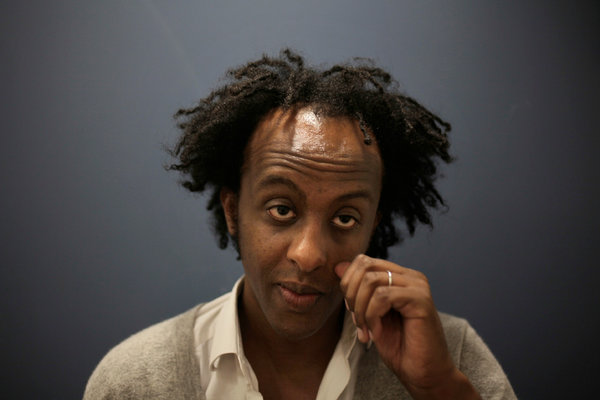
expanding group that includes Dinaw Mengestu, Helen Oyeyemi, NoViolet Bulawayo, Teju Cole, Yvonne Adhiambo Owuor and Taiye Selasi, among others.
There are reasons for the critical mass now, say writers, publishers and literature scholars. After years of political and social turmoil, positive changes in several African nations are helping to greatly expand the number of writers and readers. Newer awards like the Caine Prize for African Writing have helped, too, as have social media, the Internet and top M.F.A. programs. At the Iowa Writers’ Workshop, black writers with recent African roots will make up more than 10 percent of the fiction students come September. Moreover, the number of African immigrants in the United States has more than quadrupled in the past two decades, to
almost 1.7 million.
Read full article here.
Read more Breaking News here.
Comments Are Welcome
Note: We moderate submissions in order to create a space for meaningful dialogue, a space where museum visitors – adults and youth –– can exchange informed, thoughtful, and relevant comments that add value to our exhibits.
Racial slurs, personal attacks, obscenity, profanity, and SHOUTING do not meet the above standard. Such comments are posted in the exhibit Hateful Speech. Commercial promotions, impersonations, and incoherent comments likewise fail to meet our goals, so will not be posted. Submissions longer than 120 words will be shortened.
See our full Comments Policy here.