How Advance Care Planning Neglects Black Americans
Share
Explore Our Galleries









Breaking News!
Today's news and culture by Black and other reporters in the Black and mainstream media.
Ways to Support ABHM?
By Carina Storrs, Undark
Researchers are rethinking living wills and other ACP documents to ensure seriously ill patients get the care they want.
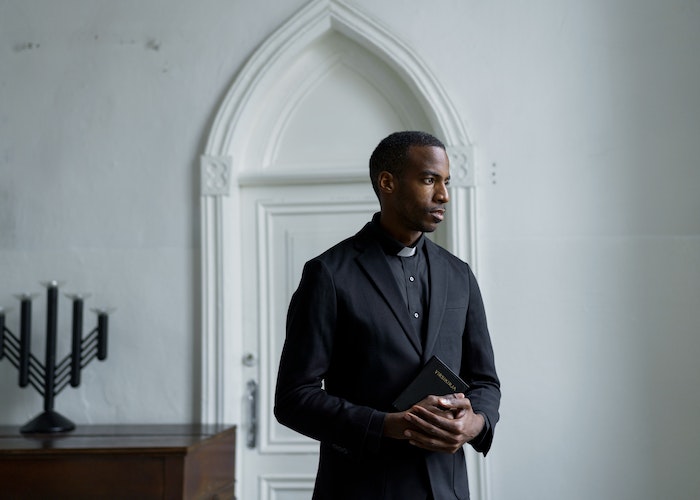
WHEN KEVIN E. TAYLOR BECAME a pastor 22 years ago, he never expected how often he’d have to help families make gut-wrenching decisions for a loved one who was very ill or about to die. The families in his predominantly Black church in New Jersey often didn’t have any written instructions, or conversations to recall, to help them know if their relative wanted — or didn’t want — certain types of medical treatment.
So Taylor started encouraging church members to ask their elders questions, such as if they would want to be kept on life support if they became sick and were unable to make decisions for themselves.
“Each time you have the conversation, you destigmatize it,” said Taylor, now the senior pastor at Unity Fellowship Church NewArk, a Christian church with about 120 regular members.
Taylor is part of an initiative led by Compassion & Choices, a nonprofit advocacy group that attempts to encourage more Black Americans to consider and document their medical wishes for the end of their lives.
End-of-life planning — also known as advance care planning, or ACP — usually requires a person to fill out legal documents that indicate the care they would want if they became unable to speak for themselves because of injury or illness. There are options to specify whether they would want life-sustaining care, even if it were unlikely to cure or improve their condition, or comfort care to manage pain, even if it hastened death. Medical groups have widely endorsed ACP, and public awareness campaigns have promoted the practice.
Comments Are Welcome
Note: We moderate submissions in order to create a space for meaningful dialogue, a space where museum visitors – adults and youth –– can exchange informed, thoughtful, and relevant comments that add value to our exhibits.
Racial slurs, personal attacks, obscenity, profanity, and SHOUTING do not meet the above standard. Such comments are posted in the exhibit Hateful Speech. Commercial promotions, impersonations, and incoherent comments likewise fail to meet our goals, so will not be posted. Submissions longer than 120 words will be shortened.
See our full Comments Policy here.