Florida’s academic standards erode enslaved Africans’ contributions to America
Share
Explore Our Galleries









Breaking News!
Today's news and culture by Black and other reporters in the Black and mainstream media.
Ways to Support ABHM?
A Summary of Rodney Coates’ article “Florida’s academic standards distort the contributions that enslaved Africans made to American society” published at The Conversation on August 14, 2023.
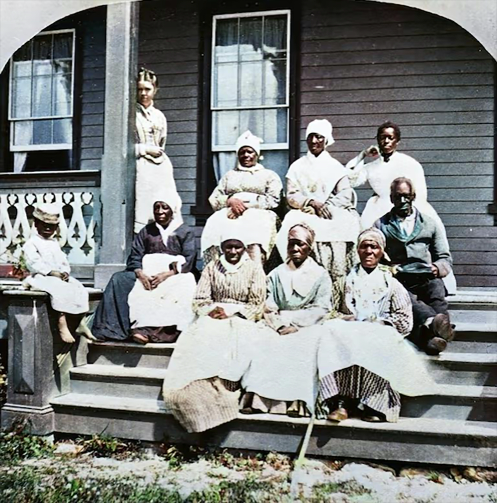
Florida’s 2023 academic standards require fifth graders to be taught that enslaved Black people in the U.S. developed skills that could be applied for their benefit. However, the reality is that enslaved Africans contributed to the nation’s social, cultural, and economic well-being by using skills they had already developed before captivity. Examples of the skills Africans brought with them as they entered the Americas as enslaved include being farmers, cooks, chefs, artisans, builders, midwives, herbalists, and healers.
The majority of enslaved Africans that landed in the Carolinas came from traditional rice-growing regions in Africa, such as the Rice Coast. These crops were essential for the enslaved to survive the harsh conditions of their trans-Atlantic voyage. They occasionally were able to cultivate small gardens, which provided income for some enslaved people to purchase freedom.
Enslaved Africans also served as cooks and chefs, blending African, Native American, and European traditions to create unique Southern cuisines. They often worked together to prepare communal meals, which featured roasted beef, veal, turkey, duck, fowl, and ham.
Enslaved Africans also contributed to the construction of landmarks, such as the White House, the U.S. Capitol, and the Smithsonian Castle in Washington. They also brought knowledge of medicinal plants, such as variolation, which was a method of intentionally infecting an individual by rubbing pus from an infected person into an open wound.
Despite Florida’s education standards misrepresenting history, the Africans forced to come to America contributed immensely to the development and success of the Americas. This country is richer because of their unique skills, techniques, and knowledge.
To read the complete source article click here.
For more Breaking News click here.
For more ABHM galleries click here.
Comments Are Welcome
Note: We moderate submissions in order to create a space for meaningful dialogue, a space where museum visitors – adults and youth –– can exchange informed, thoughtful, and relevant comments that add value to our exhibits.
Racial slurs, personal attacks, obscenity, profanity, and SHOUTING do not meet the above standard. Such comments are posted in the exhibit Hateful Speech. Commercial promotions, impersonations, and incoherent comments likewise fail to meet our goals, so will not be posted. Submissions longer than 120 words will be shortened.
See our full Comments Policy here.