‘Fixing a problem we didn’t cause’: Black Appalachian activists cultivating power
Share
Explore Our Galleries









Breaking News!
Today's news and culture by Black and other reporters in the Black and mainstream media.
Ways to Support ABHM?
By Melissa Hellmann, The Guardian
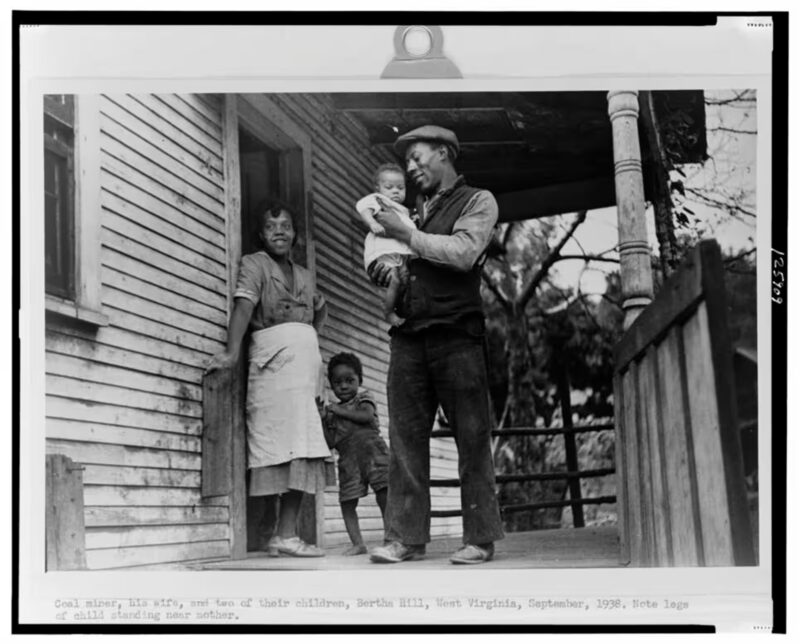
While just 10% of Appalachia is made up of Black residents, they are disproportionately impacted by resource extraction that has led to adverse effects on the environment, health and access to food. But Black activists in Appalachia such as Staysha Quentrill, a midwife and reproductive justice advocate in West Virginia; the Right Rev Marcia Dinkins, an environmental justice advocate in Ohio; and Femeika Elliott, a foodways practictioner in Tennessee are working to improve the wellbeing and safety of the people in their communities.
In her work as the founder of the Black Appalachian Coalition (Blac), an environmental justice group, Dinkins said she seeks to “dismantle the romanticized whitewashed narrative around Appalachia”.
“When people heard Appalachia, the first thing they thought about was that Appalachia was white, so it invisibilized Black people,” Dinkins said. “Even though they were exploited, they were also excluded from conversations.”
The Guardian has more details.
Discover the rich history of Black activism in Appalachia.
Comments Are Welcome
Note: We moderate submissions in order to create a space for meaningful dialogue, a space where museum visitors – adults and youth –– can exchange informed, thoughtful, and relevant comments that add value to our exhibits.
Racial slurs, personal attacks, obscenity, profanity, and SHOUTING do not meet the above standard. Such comments are posted in the exhibit Hateful Speech. Commercial promotions, impersonations, and incoherent comments likewise fail to meet our goals, so will not be posted. Submissions longer than 120 words will be shortened.
See our full Comments Policy here.