Facing Backlash, Some Corporate Leaders Go ‘Under the Radar’ With D.E.I.
Share
Explore Our Galleries









Breaking News!
Today's news and culture by Black and other reporters in the Black and mainstream media.
Ways to Support ABHM?
Emma Goldberg, The New York Times
New hurdles and opposition to diversity programs have pushed some business leaders to approach their D.E.I. initiatives “in a less in your face way,” while others are doubling down.
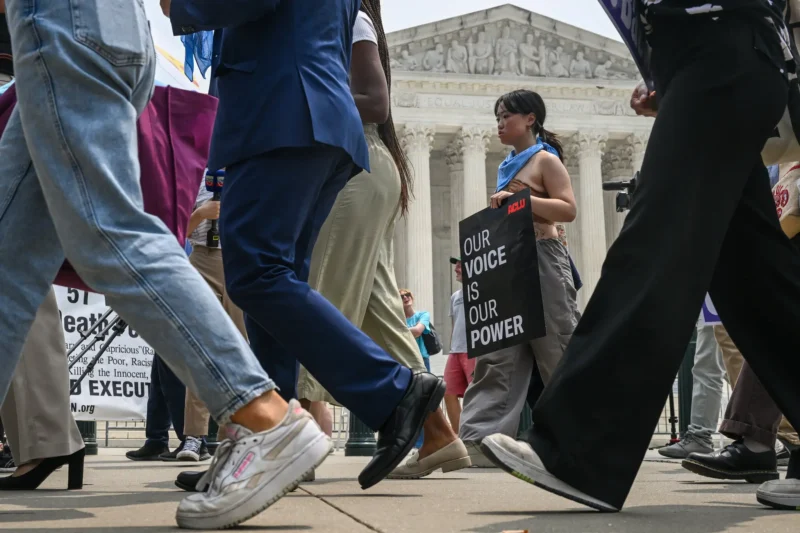
Over the past two years, as Ishan Bhabha and his colleagues at the law firm Jenner & Block prepared briefs for the affirmative action case the Supreme Court ruled on last year, Mr. Bhabha had a realization: If higher education institutions like Harvard were the first target of litigation about diversity, equity and inclusion, America’s corporate boardrooms were probably next.
Mr. Bhabha began working with dozens of Fortune 500 companies to evaluate their diversity programs and ensure that they were on solid legal ground if they were sued.
Proponents of corporate diversity, equity and inclusion programs, commonly called D.E.I., argue that they are important to hiring and retaining people of color. Critics now argue that some such programs can exclude white and Asian people unfairly from hiring processes.
In recent months, hundreds of companies have been re-examining those initiatives after a series of challenges to diversity programs: the threat of litigation in the wake of the Supreme Court’s decision striking down race-conscious college admissions, criticism of D.E.I. initiatives from some high-profile business leaders, and a wave of layoffs in the tech industry that heavily affected D.E.I. teams.
This pushback — which has come as more than 20 states weighed or passed new laws last year targeting D.E.I. initiatives — has had a chilling effect on some corporate D.E.I. offices, according to diversity advisers.
Learn more about how we got to this state of “Us versus Them” in this virtual exhibit.
Find more Breaking News here.
Comments Are Welcome
Note: We moderate submissions in order to create a space for meaningful dialogue, a space where museum visitors – adults and youth –– can exchange informed, thoughtful, and relevant comments that add value to our exhibits.
Racial slurs, personal attacks, obscenity, profanity, and SHOUTING do not meet the above standard. Such comments are posted in the exhibit Hateful Speech. Commercial promotions, impersonations, and incoherent comments likewise fail to meet our goals, so will not be posted. Submissions longer than 120 words will be shortened.
See our full Comments Policy here.