Deadly Form of High Cholesterol Can Catch Black Americans by Surprise
Share
Explore Our Galleries









Breaking News!
Today's news and culture by Black and other reporters in the Black and mainstream media.
Ways to Support ABHM?
By Dennis Thompson, HealthDay News
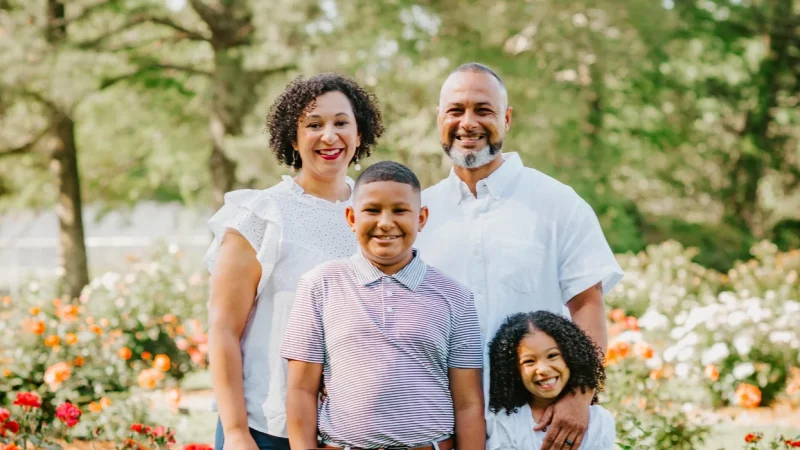
Chad Gradney underwent quadruple bypass open-heart surgery at age 27, and afterward spent eight fruitless years battling extremely high cholesterol levels.
Then in 2012 he found himself back in an emergency room, again suffering from chest pain.
“That’s when I found out three of the four bypasses basically had failed again,” recalls Gradney, now 44 and living in Baton Rouge, La.
Gradney suffers from familial hypercholesterolemia (FH), a common genetic condition that impairs the way the body recycles “bad” LDL cholesterol.
People with FH essentially are born with high cholesterol levels that only increase as they grow older. About 1 in every 250 people inherits the condition, according to the U.S. Centers for Disease Control and Prevention.
But Gradney also is Black, and FH tends to be dramatically underdiagnosed and untreated in Black Americans compared to white people, experts say.
Black people are diagnosed with FH at an older age than any other racial or ethnic group in America, according to the nonprofit Family Heart Foundation.
Research also has shown that Black Americans with FH are less likely to have been prescribed cholesterol-lowering medications, even though normal lifestyle modifications aren’t enough to prevent heart disease in someone with the genetic disorder.
“It’s most important to recognize that people with FH are at risk not just because they have an unhealthy lifestyle or diet,” said Dr. Keith Ferdinand, chair of preventive cardiology at Tulane University School of Medicine in New Orleans. “Many of these patients will need not only statins but three to five medications to lower cholesterol.”
Read about how cholesterol impacts Black Americans.
Black folks also face disparities when it comes to COVID, stroke, and pollution.
Comments Are Welcome
Note: We moderate submissions in order to create a space for meaningful dialogue, a space where museum visitors – adults and youth –– can exchange informed, thoughtful, and relevant comments that add value to our exhibits.
Racial slurs, personal attacks, obscenity, profanity, and SHOUTING do not meet the above standard. Such comments are posted in the exhibit Hateful Speech. Commercial promotions, impersonations, and incoherent comments likewise fail to meet our goals, so will not be posted. Submissions longer than 120 words will be shortened.
See our full Comments Policy here.