Childhood trauma in the U.S. is a ‘public health crisis’
Share
Explore Our Galleries









Breaking News!
Today's news and culture by Black and other reporters in the Black and mainstream media.
Ways to Support ABHM?
by John Schmid, Milwaukee Journal Sentinel
…. linked to myriad social problems, CDC study reports
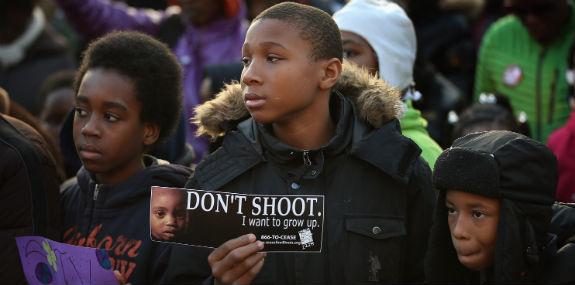
If American children grew up in homes without abuse, alcoholism, mental illness, drugs or domestic partner violence, instances of depression in the general population would fall 44%.
If such a world of trauma-free households could ever exist, national unemployment would fall 15%. There would be 24% fewer heavy drinkers and 33% fewer smokers. Cases of coronary heart disease — the leading cause of death in the U.S. —would fall 13%.
Those are among the findings in a new study that has special relevance to Milwaukee and Wisconsin, regions that already have been studying the impact of nonmilitary psychological trauma on their populations…
Read full article here.
For more Breaking News, click here.
Watch a related video featuring Reggie Jackson here.
Comments Are Welcome
Note: We moderate submissions in order to create a space for meaningful dialogue, a space where museum visitors – adults and youth –– can exchange informed, thoughtful, and relevant comments that add value to our exhibits.
Racial slurs, personal attacks, obscenity, profanity, and SHOUTING do not meet the above standard. Such comments are posted in the exhibit Hateful Speech. Commercial promotions, impersonations, and incoherent comments likewise fail to meet our goals, so will not be posted. Submissions longer than 120 words will be shortened.
See our full Comments Policy here.