Buying Black, Rebooted
Share
Explore Our Galleries









Breaking News!
Today's news and culture by Black and other reporters in the Black and mainstream media.
Ways to Support ABHM?
In the newest iteration of the Buy Black movement, entrepreneurs are creating marketplaces that pool black-owned brands in one space.
By
“Where was this product made?”
“Is this brand sustainable?”
Those are common conscientious consumer queries these days. For a growing number of Americans, though, another question is taking precedence: “Is this a black-owned business?”
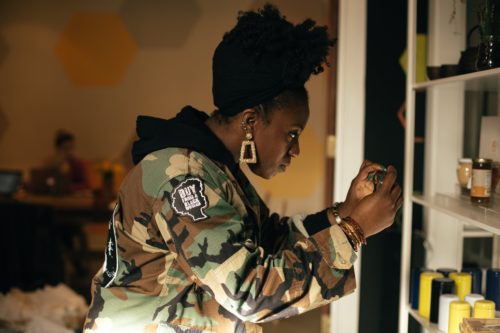
Nikki Porcher, the founder of the nonprofit Buy From a Black Woman, at Just Add Honey in Atlanta. PC: Diwang Valdez for The New York Times
What used to be considered a statement of radical Afrocentricism is now little different from “buy green,
buy woman-owned or even buy American,” said Maggie Anderson, the author of “Our Black Year: One Family’s Quest to Buy Black in America’s Racially Divided Economy,” via email.
Like those movements, buying black broadcasts one’s politics. But it is also a hit-them-where-it-hurts response to big brands that make racist gaffe (see: blackface balaclavas) after racist gaffe (see: Little Black Sambo charms). By buying black, consumers are consciously disengaging from the viral cycle of corporate ignorance, public outrage and corporate apology.
And in the face of today’s fraught politics and overt racism, it marks a return to a form of economic protest from another time in America’s not-so-distant history…
Read the full article here.
For more Breaking News click here.
View more ABHM galleries here
Comments Are Welcome
Note: We moderate submissions in order to create a space for meaningful dialogue, a space where museum visitors – adults and youth –– can exchange informed, thoughtful, and relevant comments that add value to our exhibits.
Racial slurs, personal attacks, obscenity, profanity, and SHOUTING do not meet the above standard. Such comments are posted in the exhibit Hateful Speech. Commercial promotions, impersonations, and incoherent comments likewise fail to meet our goals, so will not be posted. Submissions longer than 120 words will be shortened.
See our full Comments Policy here.