Beyoncé’s new album ‘Renaissance’ is a tough sell in 2022 America
Share
Explore Our Galleries









Breaking News!
Today's news and culture by Black and other reporters in the Black and mainstream media.
Ways to Support ABHM?
By Robyn Autry, chair of the Sociology Department at Wesleyan University
In this current pre-recession climate, music about feeling good and the dreamy escapes of the uber wealthy is hard to get too excited about.
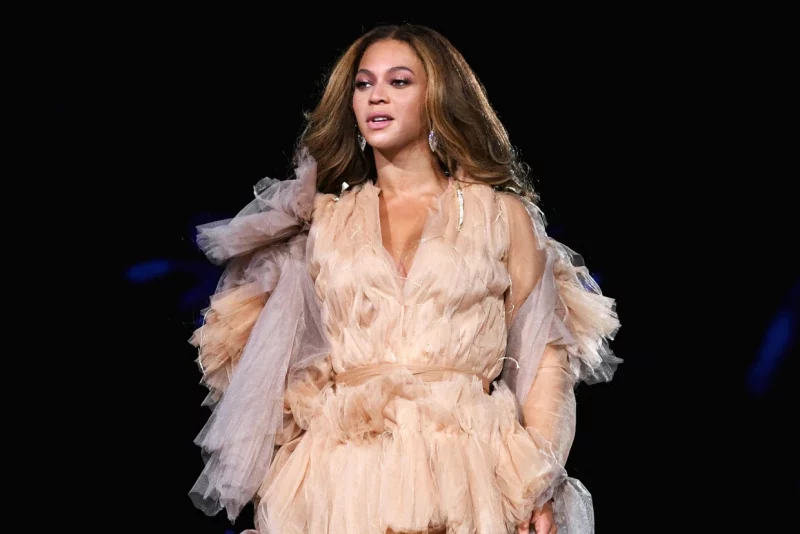
On Friday Beyoncé released her seventh solo album, “Act I: Renaissance,” six years after the breakaway success of “Lemonade.” She gave fans and critics a taste of her latest work last month, when she dropped the surprise single “Break My Soul.” (It debuted on the R&B/Hip-Hop Airplay Chart top 10 on Billboard.)
The iconic performer runs a famously tight ship, with a carefully curated image and studio presence. And yet, “Renaissance” leaked two days ahead of the scheduled release this week, causing a flurry of headlines that clouded the premiere. Of course, leaked content in the music industry is not a new thing. But this (minor) chaos highlights how even Beyoncé may be losing some control in our current moment. And in the end, we might relate more to this lack of control than to her songs themselves.
Beyoncé writes that her new album represents a creative awakening and personal evolution that grew out of the darkness and isolation of the 2020 lockdown. She says she dreamed of an escape “to feel free and adventurous when little else was moving.” And she’s banking on the rest of us feeling the same existential longing and ultimately, rejuvenation and reinvention.
It certainly seems as if the pandemic and lockdown prompted a wave of personal reflection, especially in terms of what we value, who we want to spend our time with, and the role of money and work in our everyday lives. This sentiment arguably culminated in the Great Resignation, as millions of people quit their jobs in hopes that they would not just survive but thrive creatively, professionally and emotionally. Beyoncé’s single “Break My Soul” seems to capture this sentiment.
It also seems around two years too late.
Read the rest of Autry’s thoughtful critique.
Bey’s struggle to remain relevant to Americans is in stark contrast to her previous marketing successes, including the surprise release of Formation.
Comments Are Welcome
Note: We moderate submissions in order to create a space for meaningful dialogue, a space where museum visitors – adults and youth –– can exchange informed, thoughtful, and relevant comments that add value to our exhibits.
Racial slurs, personal attacks, obscenity, profanity, and SHOUTING do not meet the above standard. Such comments are posted in the exhibit Hateful Speech. Commercial promotions, impersonations, and incoherent comments likewise fail to meet our goals, so will not be posted. Submissions longer than 120 words will be shortened.
See our full Comments Policy here.