A Data Center Promises Jobs in This Black Town, but Residents Aren’t Convinced
Share
Explore Our Galleries






Breaking News!
Today's news and culture by Black and other reporters in the Black and mainstream media.
Ways to Support ABHM?
Aalliyah Wright, CapitalB
At the center of the debate in Clarksdale, Mississippi, one question lingers: What’s the right development for a dying town?
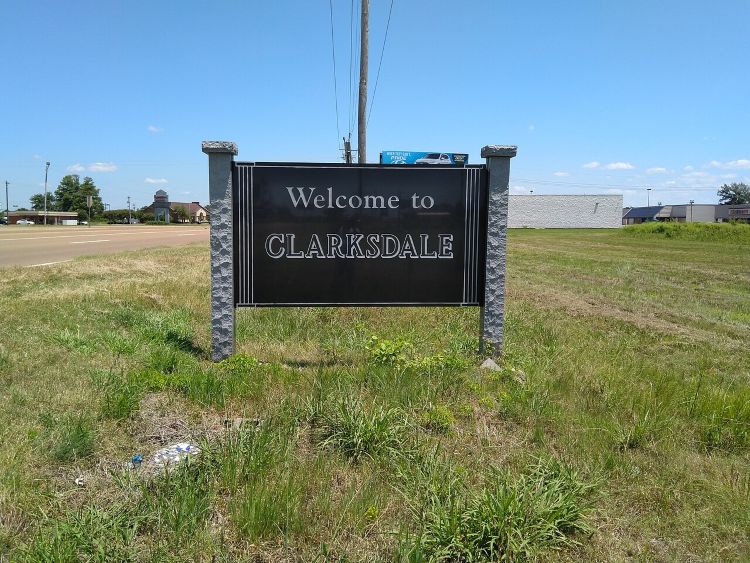
CLARKSDALE, Mississippi — Rumors of a potential data center had loomed over Voneshay Walker like a cloud for months. She’d heard the whispers and seen reports of other centers popping up in small towns across the South.
She didn’t expect it to hit so close to home.
Walker is a native of Tutwiler, Mississippi, a small town of 2,000. Years ago, she moved to Clarksdale for economic opportunity. Unfortunately, the promise of more jobs, an influx of investment, and food options disappeared. But the city’s latest solution to its problems — a data center — has her troubled.
While there’s currently no agreement in place to build a data center in Clarksdale, the city projects a hyperscale data center could bring in millions in local tax revenue. Such a project could take up to six years to complete, but could create 1,000 temporary jobs and between 200 to 300 permanent positions.
Still, Walker said she’s worried a data center would strain Clarksdale’s water, electricity, add pollution, and further burden a community whose resources are already stretched thin. Moreover, her home is only 3 miles away from the proposed development site, and she’s concerned about the impact it could have on her family, including her children.
Follow more stories involving the impact of technology on the Black community in our breaking news.
Comments Are Welcome
Note: We moderate submissions in order to create a space for meaningful dialogue, a space where museum visitors – adults and youth –– can exchange informed, thoughtful, and relevant comments that add value to our exhibits.
Racial slurs, personal attacks, obscenity, profanity, and SHOUTING do not meet the above standard. Such comments are posted in the exhibit Hateful Speech. Commercial promotions, impersonations, and incoherent comments likewise fail to meet our goals, so will not be posted. Submissions longer than 120 words will be shortened.
See our full Comments Policy here.