Remembrance
Explore Our Online Exhibits









Breaking News

Worldwide Community Events
Week 1
- Sun 1
- Mon 2
- Tue 3
- Wed 4
- Thu 5
- Fri 6
- Sat 7
- Sun 8
- Mon 9
- Tue 10
- Wed 11
- Thu 12
- Fri 13
- Sat 14
- Sun 15
- Mon 16
- Tue 17
- Wed 18
- Thu 19
- Fri 20
- Sat 21
- Sun 22
- Mon 23
- Tue 24
- Wed 25
- Thu 26
- Fri 27
- Sat 28
- Sun 29
- Mon 30
- Tue 31
- Wed 1
- Thu 2
- Fri 3
- Sat 4
-
04March
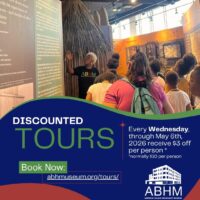
ABHM Discounted Tours
ABHM in Milwaukee, WI04March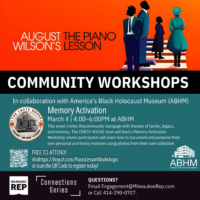 4:00 PM - 6:00 PM
Memory of Activation: Community Workshop with Milwaukee Repertory Theater
ABHM in Milwaukee, WI -
05March
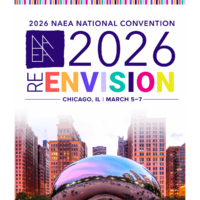
National Association Arts Education Association Convention
Hyatt Regency Chicago -
06March
National Association Arts Education Association Convention
Hyatt Regency Chicago -
07March
National Association Arts Education Association Convention
Hyatt Regency Chicago07March
-
11March
ABHM Discounted Tours
ABHM in Milwaukee, WI11March
Black Enterprise Women of Power Summit 2026
Bellagio Hotel & Casino11March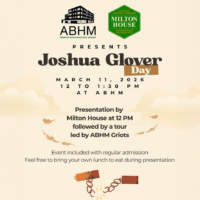
-
12March
Black Enterprise Women of Power Summit 2026
Bellagio Hotel & Casino -
13March
Black Enterprise Women of Power Summit 2026
Bellagio Hotel & Casino -
14March
Black Enterprise Women of Power Summit 2026
Bellagio Hotel & Casino14March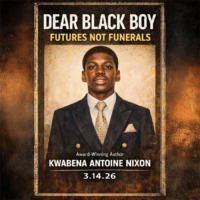
-
15March
Black Enterprise Women of Power Summit 2026
Bellagio Hotel & Casino -
18March
ABHM Discounted Tours
ABHM in Milwaukee, WI -
22March
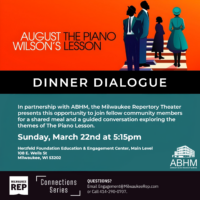 5:15 PM
Milwaukee Repertory Theater Dinner Dialogue on The Piano Lesson
Herzfeld Foundation & Engagement Center -
24March

National Association of Black Social Workers Conference
Detroit Marriott at the Renaissance Center -
25March
ABHM Discounted Tours
ABHM in Milwaukee, WI25MarchNational Association of Black Social Workers Conference
Detroit Marriott at the Renaissance Center -
26March
National Association of Black Social Workers Conference
Detroit Marriott at the Renaissance Center -
27March
National Association of Black Social Workers Conference
Detroit Marriott at the Renaissance Center -
28March
National Association of Black Social Workers Conference
Detroit Marriott at the Renaissance Center28March 9:00 AM - 3:00 PM
Justice in Action Conference with Dasha Kelly
Marquette University Alumni Union, Rm 16328March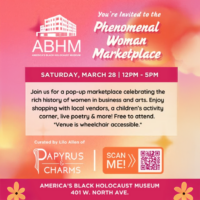 28March
-
01April
ABHM Discounted Tours
ABHM in Milwaukee, WI
Share
"Remembrance" is one of America's Black Holocaust Museum's four themes, which serve as pillars in our virtual museum.
In every gallery, we remember important historical events and people who have played a role in civil rights or otherwise impacted the lives of Black Americans and others in the African diaspora. Some of these are well-known, but most are not. The stories told in most of ABHvM's exhibits have been left out of our history books or been told incompletely.
You will also notice how this theme appears in some events and breaking news articles, especially as new history comes to light or society finally treats certain subjects with respect.
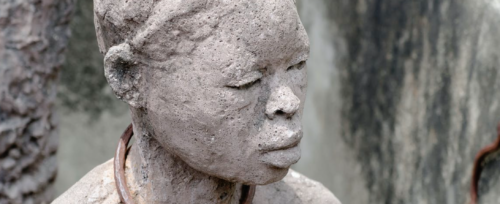
Slavery in Africa originated as the rewards of war and a punishment for criminals. People were not commonly born into slavery. Unlike in the Americas, Slavery was not automatically passed from parents to children. People enslaved in African societies often gained freedom before the end of their lives. At times they even became equal family members with those who once enslaved them.
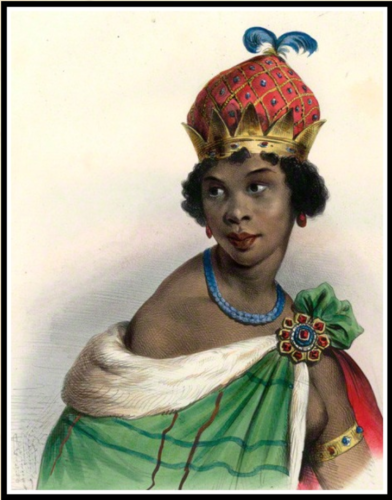
The fascinating stories about the surprising roles some women played in several African societies.
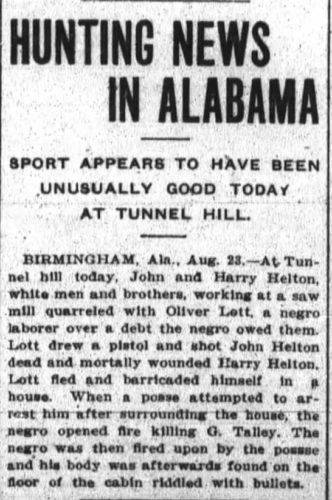
A genealogist, teacher, and writer from Alabama became interested in Lett’s story when teaching middle school students genealogy, ELA, and social studies. She took them on a field trip to EJI’s Lynching Memorial, where they saw Oliver Lett’s name and realized that he was an ancestor of many of her students.
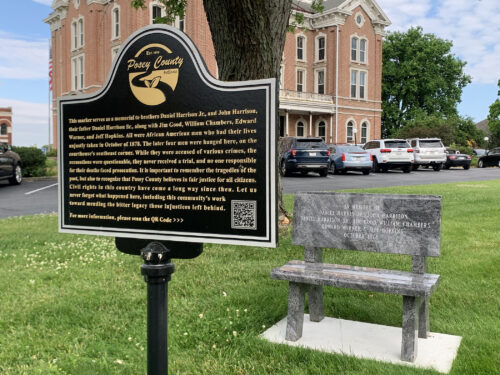
After 144 years of silent indifference, seven African American men lynched in October 1878 are officially recognized with a memorial bench and sign in Mt. Vernon, Indiana. Thanks to Sophie Kloppenburg, a true inspiration, we will never forget.
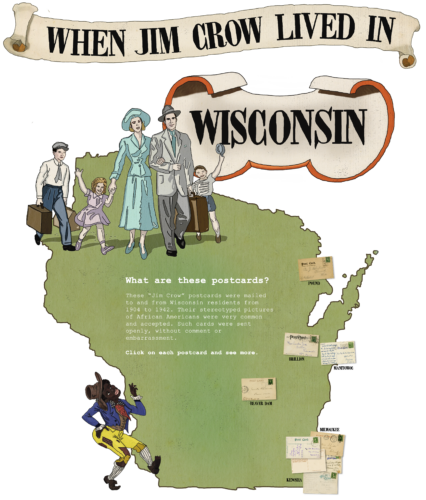
These postcards were mailed to and from Wisconsin residents from 1904 to 1942. Their stereotyped pictures of African Americans were very common and accepted. Such cards were sent openly, without comment or embarrassment.
- « Previous
- 1
- 2
- 3
- 4