What’s next for Nicodemus, the Kansas town where freedom took root for Black Americans
Share
Explore Our Galleries









Breaking News!
Today's news and culture by Black and other reporters in the Black and mainstream media.
Ways to Support ABHM?
Jasmin Adous, KSN
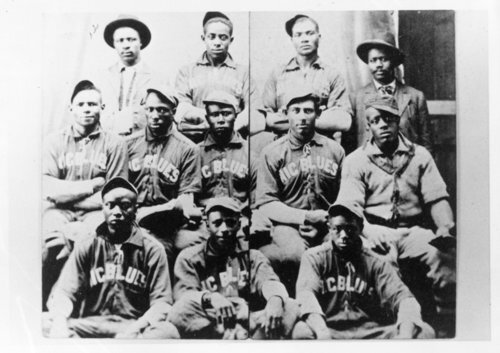
Tucked away off the beaten path in Kansas sits a place where history isn’t just remembered; it’s still lived.
“Being a part of the National Park Service, it’s kind of a key tell that Nicodemus is a part of the bigger history of our country,” said Cassie Branstetter, superintendent of the Nicodemus National Historic Site.
It’s a town built on hope, sustained by resilience and carried forward by generations determined not to let its story fade.
An American story
Formerly enslaved Black Americans built Nicodemus, founded in 1877, seeking something radical for their time: control over their own future.
Many were part of a larger migration known as the Exodusters, Black families leaving the South after Reconstruction, chasing the promise of opportunity in the West.
“This was a space for a new start, a fresh start,” Branstetter said, a safe place where they could work hard, own land and create their own business.
But what they found did not come easy. No guarantees, no infrastructure — just open land and uncertainty.
Yet they found the strength “to stay and stick it out,” Branstetter said, even living in dugouts, homes dug out from the ground.
At its height, Nicodemus thrived with a population of 700 by 1880. It was filled with businesses as entrepreneurs pursued “robust careers,” Branstetter said.
But like with many rural towns, change came. Expanding railroad companies gave up plans to bring rail through Nicodemus. Economic shifts and the decline of farming led to a shrinking population.
Read more about the town’s past and future.
Discover how freedmen lived further north in rural Wisconsin.
Comments Are Welcome
Note: We moderate submissions in order to create a space for meaningful dialogue, a space where museum visitors – adults and youth –– can exchange informed, thoughtful, and relevant comments that add value to our exhibits.
Racial slurs, personal attacks, obscenity, profanity, and SHOUTING do not meet the above standard. Such comments are posted in the exhibit Hateful Speech. Commercial promotions, impersonations, and incoherent comments likewise fail to meet our goals, so will not be posted. Submissions longer than 120 words will be shortened.
See our full Comments Policy here.