Six Years Later, Black Churches Refuse to Forget Floyd
Share
Explore Our Galleries









Breaking News!
Today's news and culture by Black and other reporters in the Black and mainstream media.
Ways to Support ABHM?
by Rev. Dorothy S. Boulware, Word in Black
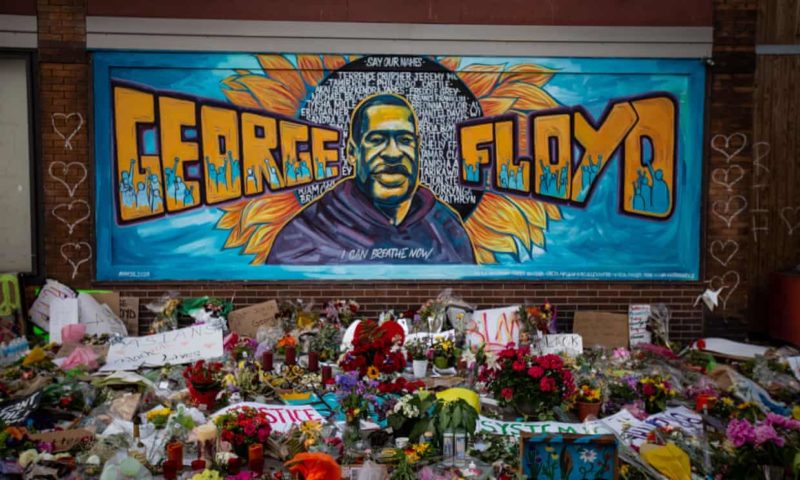
As Black churches across the country gather this weekend for prayer vigils, memorial sermons and racial justice commemorations marking six years since George Floyd’s murder, many clergy say the observances are rooted in a simple warning from Leslie Redmond, former Minneapolis NAACP president: What we don’t remember, we repeat.
Yet it comes at a perilous moment. During the era of President Donald Trump — when civil rights laws are being dismantled, white grievances are given priority and Black history is under attack — pastors and activists see growing political pressure to soften, rewrite or move past the racial reckoning of 2020.
LEARN MORE: George Floyd Square Remains a Sacred Site for Healing, Justice, and Joy
But faith leaders say the racial reckoning that began May 25, 2020, when Floyd died beneath the knee of a white Minneapolis police officer, isn’t over. They believe the church has become one of the nation’s last institutions guarding Floyd’s legacy, keeping alive the spiritual, political, and moral questions raised by his death.
Mourning and Activism
Leading up to the anniversary of Floyd’s death, churches and faith communities nationwide are marking the date with worship services, prayer vigils, gospel concerts and racial justice gatherings that blend mourning with renewed activism.
In Minneapolis, events centered around George Floyd Square include a Sunday worship service, gospel performances, a candlelight vigil and the Rise and Remember Festival. Organizers of the event say the focus this year is healing, community joy and resisting what activists describe as a national backlash against racial justice efforts.
Learn more about these events and the organizations hosting them.
Is the Black community really Free At Last if their lives are so vulnerable?
Comments Are Welcome
Note: We moderate submissions in order to create a space for meaningful dialogue, a space where museum visitors – adults and youth –– can exchange informed, thoughtful, and relevant comments that add value to our exhibits.
Racial slurs, personal attacks, obscenity, profanity, and SHOUTING do not meet the above standard. Such comments are posted in the exhibit Hateful Speech. Commercial promotions, impersonations, and incoherent comments likewise fail to meet our goals, so will not be posted. Submissions longer than 120 words will be shortened.
See our full Comments Policy here.