We Were There by Lanre Bakare review – reimagining Black Britain
Share
Explore Our Galleries









Breaking News!
Today's news and culture by Black and other reporters in the Black and mainstream media.
Ways to Support ABHM?
By Jason Allen-Paisant, The Guardian
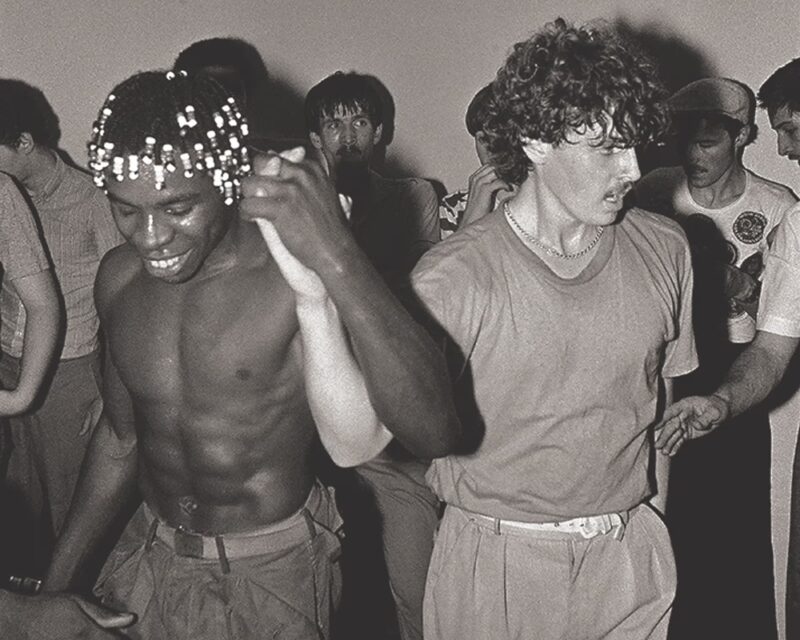
Lanre Bakare’s first book is not just a work of history – it is a necessary and urgent recalibration of the way we think about Black Britain. Too often, mainstream accounts flatten the story, centring it on London, reducing the complexities of life beyond the capital to footnotes. Bakare, a Guardian arts and culture correspondent, challenges this myopia head-on, presenting an expansive, deeply researched work that insists on a broader, richer understanding of Black life. He travels to Bradford, Cardiff, Birmingham and Edinburgh, pulling together art, politics and social movements, with a vision of community life in the 70s and 80s that feels both urgent and long overdue.
Bakare opens with northern soul, an unexpected starting point, since it’s mostly associated with working-class white youth. But in tracing its rise and the spaces where it flourished – clubs, underground venues, dance halls – and giving voice to its Black devotees, he paints a deft portrait of the social tensions of the time.
It’s an approach he deploys throughout the book, using cultural moments to explore deeper historical currents. The story of George Lindo, for example, framed for robbery in 1978, is more than an individual tragedy – it is a devastating indictment of Britain’s racialised criminal justice system. Readers may know Lindo’s name from Linton Kwesi Johnson’s poetry (“Dem frame up George Lindo up in Bradford town / But de Bradford blaks dem a rally round”); Bakare reintroduces him in full detail, making his wrongful imprisonment a stark reminder of historical continuities in abusive policing.
In a chapter on Scotland, Bakare dismantles the fiction that racism was always an “English disease”, focusing on the 1989 murder of Axmed Abuukar Sheekh in Edinburgh by far-right football hooligans. The subsequent activism of the Lothian Black Forum, which pressured authorities to recognise the racial nature of the attack, becomes a pivot point in the country’s anti-racist history. From Handsworth, Birmingham, we get a compelling account of how Rastafarians were demonised in Thatcher’s Britain. Bakare traces the genealogy of these arguments to the 1950s, demonstrating the complicity of both the state and the press in shaping public fear.
Continue reading.
Comments Are Welcome
Note: We moderate submissions in order to create a space for meaningful dialogue, a space where museum visitors – adults and youth –– can exchange informed, thoughtful, and relevant comments that add value to our exhibits.
Racial slurs, personal attacks, obscenity, profanity, and SHOUTING do not meet the above standard. Such comments are posted in the exhibit Hateful Speech. Commercial promotions, impersonations, and incoherent comments likewise fail to meet our goals, so will not be posted. Submissions longer than 120 words will be shortened.
See our full Comments Policy here.