The death of 2 homeless children in frigid Detroit raises questions about a flawed system in peril
Share
Explore Our Galleries









Breaking News!
Today's news and culture by Black and other reporters in the Black and mainstream media.
Ways to Support ABHM?
By Nicquel Terry Ellis, CNN
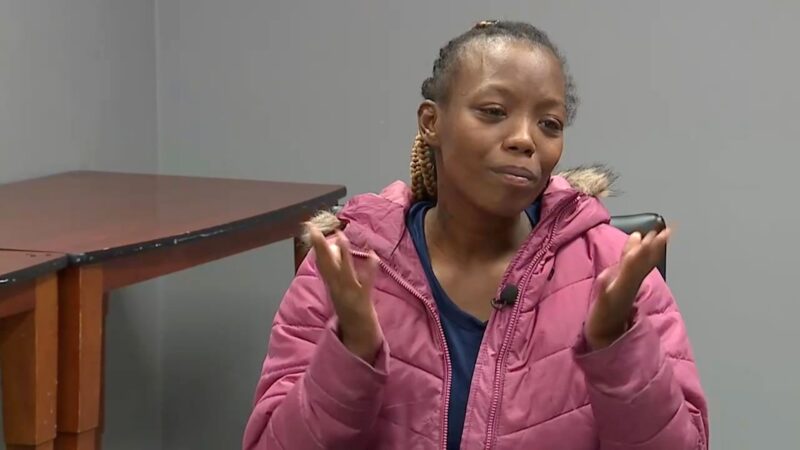
Tateona Williams called the city of Detroit in November for help finding shelter for her family after learning their living arrangement with a relative was no longer working out.
But Williams never reached a resolution with the homeless response team, and no one followed up, even after the city opened a new drop-in shelter for families just a few weeks later, its mayor said.
This week, two of Williams’ children — ages 2 and 9 — were found dead of apparent hypothermia in a van the family had been sleeping in for at least two months, Interim Police Chief Todd Bettison said. Temperatures dropped below freezing Monday, when Williams had parked on the ninth floor of a casino parking garage.
Starting months prior, Williams had “asked everybody for help” for her family.
“I called out of state, I called cities I didn’t know, I called cities people asked me to call. I even asked Detroit — I’ve been on CAM list for the longest,” Williams told CNN affiliate WXYZ, referring to the Coordinated Entry system unhoused people are urged to contact in and near Detroit.
“Everybody now wants to help after I lost two kids?”The tragedy has the city of Detroit reevaluating how it connects homeless families with shelters, highlighting what national advocates say are broken systems – mostly the responsibility of state and local officials – for helping people experiencing homelessness.
It’s also exacerbating fears of what could happen if federal support for people in or on the precipice of homelessness wanes as the fledgling Republican administration of President Donald Trump pushes to slash spending by cutting critical benefits programs that serve the neediest Americans and eliminating key agencies.
Many US cities already don’t have enough resources or aren’t deploying them most effectively to meet the needs of their homeless residents, said Donald Whitehead, executive director of the National Coalition for the Homeless.
Unfortunately, many homeless people are penalized rather than helped.
Keep up to date with the latest Black news.
Comments Are Welcome
Note: We moderate submissions in order to create a space for meaningful dialogue, a space where museum visitors – adults and youth –– can exchange informed, thoughtful, and relevant comments that add value to our exhibits.
Racial slurs, personal attacks, obscenity, profanity, and SHOUTING do not meet the above standard. Such comments are posted in the exhibit Hateful Speech. Commercial promotions, impersonations, and incoherent comments likewise fail to meet our goals, so will not be posted. Submissions longer than 120 words will be shortened.
See our full Comments Policy here.