From rentals to bathrooms: Airbnb listings aren’t the first offensive effort to commercialize slave cabins
Share
Explore Our Galleries









Breaking News!
Today's news and culture by Black and other reporters in the Black and mainstream media.
Ways to Support ABHM?
By Char Adams and Claretta Bellamy, NBC News
Airbnb has apologized and removed the listings but the incident has renewed concerns from preservationists about the state of former slave dwellings in the country.
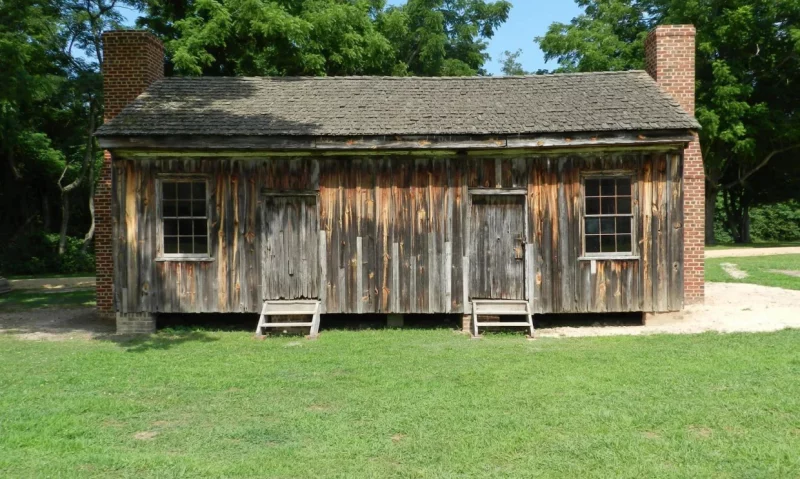
The Airbnb listing was simple: A charming Mississippi cottage with old-fashioned decor and access to Wi-Fi and streaming platforms. Listings in Louisiana and Georgia had similar descriptions, portraying them as charming, rustic homes perfect for a cozy weekend getaway.
The now-removed listings had one major thing in common, though: They were once home to those enslaved.
Recent outrage over the listed slave cabins started with the Panther Burn Cottage, a Greenville, Mississippi, slave cabin built on a plantation in the 1800s. Wynton Yates, a Black lawyer from New Orleans, posted a now-viral TikTok about the Airbnb listing late last month. He said he was shocked when he saw the listing. “My first reaction was ‘This is wild! How does anybody think this is OK?’” Yates told NBC News. “I was appalled by what I was looking at. It’s just disrespectful to all of the people who lived and died in those spaces.”
Airbnb has since apologized and removed the Mississippi listing and any others “known to include former slave quarters in the United States.” But the incident has renewed concerns from preservationists about the state of former slave dwellings in the country. Preservationists like Joseph McGill Jr., founder of the Slave Dwelling Project, say the commercialization of plantation sites has been happening for decades.
Find out more about the current state of slave dwellings.
Rented slave dwellings have been an issue for nearly a decade. Meanwhile, the history of slavery has sometimes been swept under the rug at plantations.
Our breaking news page includes more stories about racism in America.
Comments Are Welcome
Note: We moderate submissions in order to create a space for meaningful dialogue, a space where museum visitors – adults and youth –– can exchange informed, thoughtful, and relevant comments that add value to our exhibits.
Racial slurs, personal attacks, obscenity, profanity, and SHOUTING do not meet the above standard. Such comments are posted in the exhibit Hateful Speech. Commercial promotions, impersonations, and incoherent comments likewise fail to meet our goals, so will not be posted. Submissions longer than 120 words will be shortened.
See our full Comments Policy here.