National Urban League finds State of Black America is grim
Share
Explore Our Galleries









Breaking News!
Today's news and culture by Black and other reporters in the Black and mainstream media.
Ways to Support ABHM?
By Michael Warren, AP News
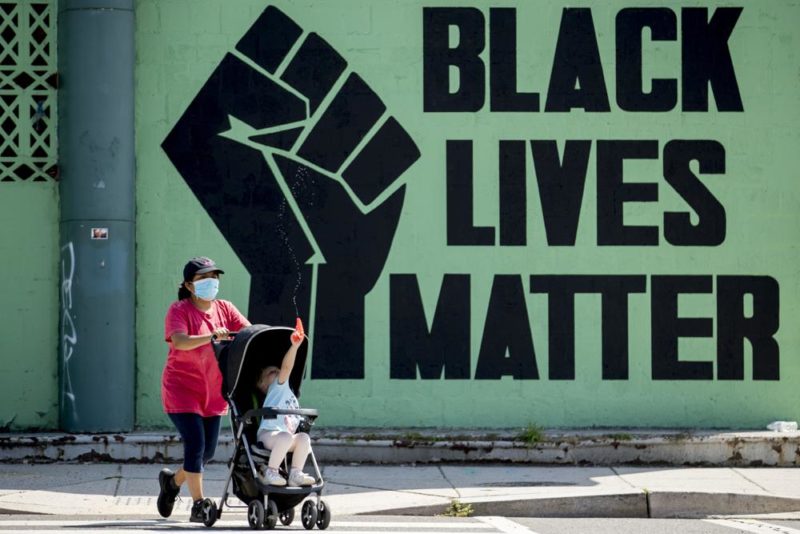
The National Urban League released its annual report on the State of Black America on Tuesday, and its findings are grim. This year’s Equality Index shows Black people still get only 73.9% of the American pie white people enjoy.
While Black people have made economic and health gains, they’ve slipped further behind white people in education, social justice and civic engagement since this index was launched in 2005. A compendium of average outcomes by race in many aspects of life, it shows just how hard it is for people of color to overcome systemic racism, the civil rights organization says.
“These numbers change so little and so slowly. What it tells me is that this institutional disparity based on race seems to be built into American society,” National Urban League President Marc Morial said in an interview.
The index shows not only that the median household income for Black people, at $43,862, is 37% less than that of white people, at $69,823. Black people also are less likely to benefit from home ownership, the engine of generational wealth in America. Census data shows Black couples are more than twice as likely as their white counterparts to be denied a mortgage or a home improvement loan, which leads to just 59% of the median home equity white households have, and just 13% of their wealth.
“In that area of wealth, we’ve seen almost no change, none, since the civil rights days,” Morial said. “The wealth disparity has gotten wider.”
Keep reading to learn how this wealth disparity contributes to a health disparity.
Traffic stops and court reflect this racial bias. Disparities such as these are one reason why ABHM exists.
Never miss the latest updates when you follow our breaking news.
Comments Are Welcome
Note: We moderate submissions in order to create a space for meaningful dialogue, a space where museum visitors – adults and youth –– can exchange informed, thoughtful, and relevant comments that add value to our exhibits.
Racial slurs, personal attacks, obscenity, profanity, and SHOUTING do not meet the above standard. Such comments are posted in the exhibit Hateful Speech. Commercial promotions, impersonations, and incoherent comments likewise fail to meet our goals, so will not be posted. Submissions longer than 120 words will be shortened.
See our full Comments Policy here.