NAACP Ends 15-Year Boycott Of South Carolina
Share
Explore Our Galleries









Breaking News!
Today's news and culture by Black and other reporters in the Black and mainstream media.
Ways to Support ABHM?
By Ashley Alman, the Huffington Post
The National Association for the Advancement of Colored People (NAACP) announced Saturday the end to its 15-year economic boycott of the state of South Carolina.
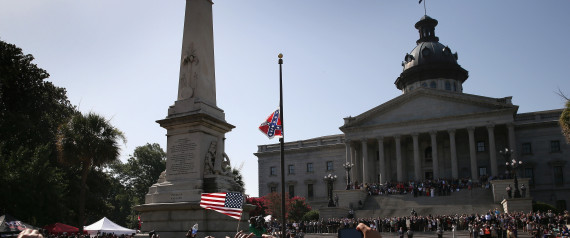
The NAACP National Board of Directors voted in an emergency resolution on Saturday to end the boycott.
The boycott of the state was initiated in 2000, when the Confederate flag was moved from atop the State House to a Confederate memorial on the Capitol grounds. The boycott was also observed by the NCAA and United Auto Workers, among other groups. The NAACP said Thursday that the boycott would be brought to a vote in an emergency resolution after the South Carolina state legislature voted to remove the Confederate flag from the Capitol grounds. The state legislature took up the issue after a tragic shooting at a historic black church in Charleston, South Carolina left 9 dead, reigniting impassioned opposition to the flag’s presence at the Capitol.
The NCAA followed suit Thursday, saying it would lift its boycott on the state, which prevented South Carolina from hosting championships.
NAACP President Cornell William Brooks praised the state’s action in a Thursday statement, saying their decision “will make South Carolina more welcoming and affirming of all people irrespective of their skin color.”
The flag was removed from the Capitol grounds Friday.
Read the full article here.
Read more Breaking News here.
Comments Are Welcome
Note: We moderate submissions in order to create a space for meaningful dialogue, a space where museum visitors – adults and youth –– can exchange informed, thoughtful, and relevant comments that add value to our exhibits.
Racial slurs, personal attacks, obscenity, profanity, and SHOUTING do not meet the above standard. Such comments are posted in the exhibit Hateful Speech. Commercial promotions, impersonations, and incoherent comments likewise fail to meet our goals, so will not be posted. Submissions longer than 120 words will be shortened.
See our full Comments Policy here.