14 sunken slaver ships found in Bahamas
Share
Explore Our Galleries









Breaking News!
Today's news and culture by Black and other reporters in the Black and mainstream media.
Ways to Support ABHM?
A Summary of Dalya Alberge‘s article “‘Highway to horror’: 14 wrecked slavers’ ships are identified in Bahamas” published at The Gaurdian on February 25, 2023.
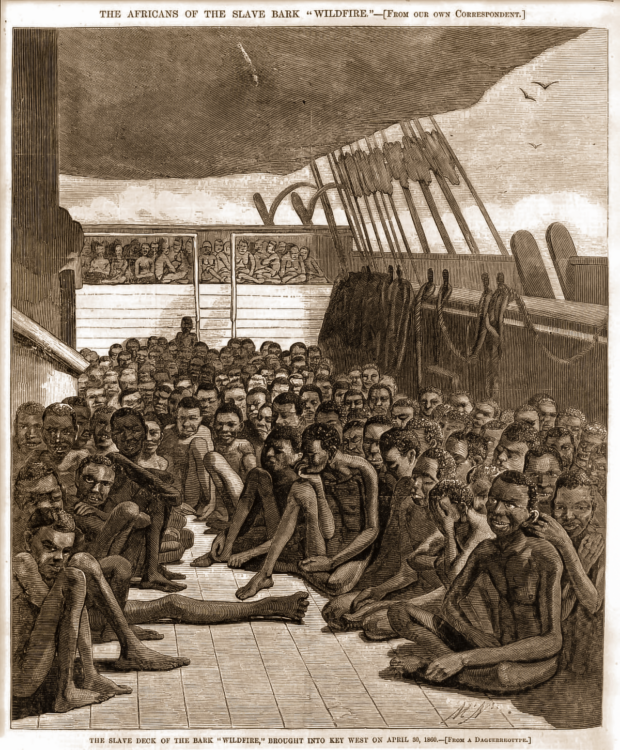
“Largest cluster of sunken vessels from the 18th and 19th centuries have been identified, bearing ‘silent witness’ to the colonial past.”
Alberge’s article reveals the discovery of 14 wrecked slaver ships in the Bahamas, representing a significant find shedding light on the transatlantic slave trade. These ships, dating from the 18th and 19th centuries, played a crucial role in transporting enslaved Africans to destinations like Cuba and New Orleans. Led by the Bahamas Lost Ships Project, spearheaded by Allen Exploration, the research unveils a harrowing chapter of history. The ships’ identification serves as a poignant reminder of the brutality and scale of the slave trade, with up to 400 individuals often crammed into a single vessel enduring unimaginable horrors.
The article emphasizes the importance of remembering and respecting this dark period, particularly during Black History Month. It highlights the need to honor the suffering endured by enslaved Africans, whose stories were often overlooked or forgotten. Notably, one survivor of a shipwreck, Olaudah Equiano, exemplifies the resilience and courage of those who endured the transatlantic journey.
Supported by Allen Exploration, the Bahamas Maritime Museum plays a crucial role in preserving artifacts recovered from these wrecks, ensuring that the atrocities of the slave trade are not forgotten. The discovery of these wrecked slaver ships serves as a poignant reminder of the inhumanity of the transatlantic slave trade and the importance of acknowledging and learning from this dark chapter in history.
To read the complete source article click here.
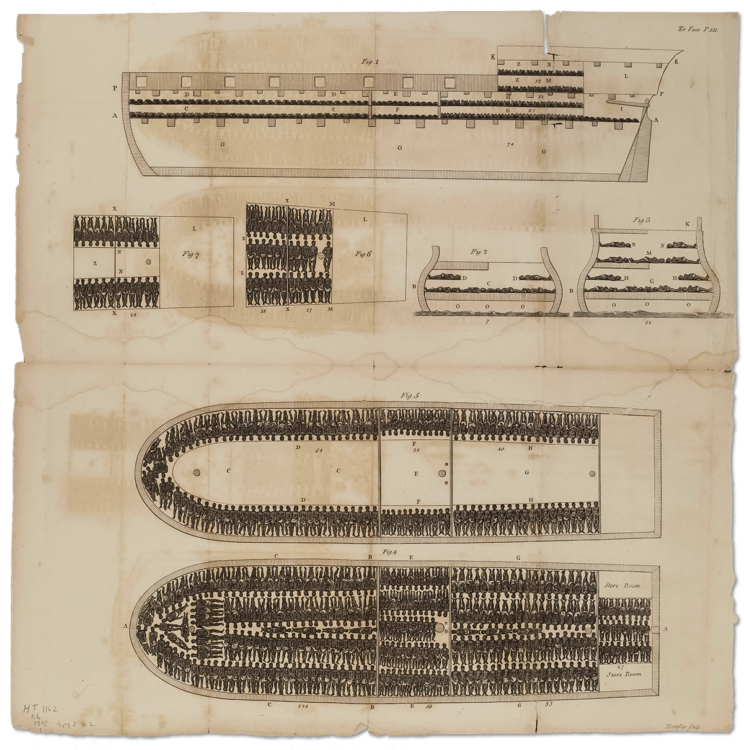
For more information about the Atlantic slave trade click here.
For more Breaking News click here.
For more ABHM galleries click here.
Comments Are Welcome
Note: We moderate submissions in order to create a space for meaningful dialogue, a space where museum visitors – adults and youth –– can exchange informed, thoughtful, and relevant comments that add value to our exhibits.
Racial slurs, personal attacks, obscenity, profanity, and SHOUTING do not meet the above standard. Such comments are posted in the exhibit Hateful Speech. Commercial promotions, impersonations, and incoherent comments likewise fail to meet our goals, so will not be posted. Submissions longer than 120 words will be shortened.
See our full Comments Policy here.