How one young history buff is preserving the Gullah Geechee community on TikTok
Share
Explore Our Galleries





Breaking News!
Today's news and culture by Black and other reporters in the Black and mainstream media.
Ways to Support ABHM?
By Maya Eaglin, NBC News
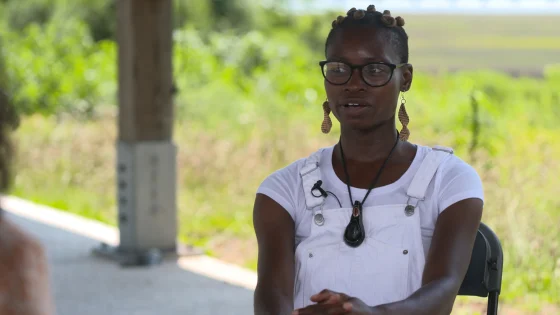
The Gullah Geechee people make up one of the oldest and most extraordinary communities in the United States. But if you’ve never heard of them, it might be because their history is often sifted out of textbooks, and the longevity of their culture is now in danger.
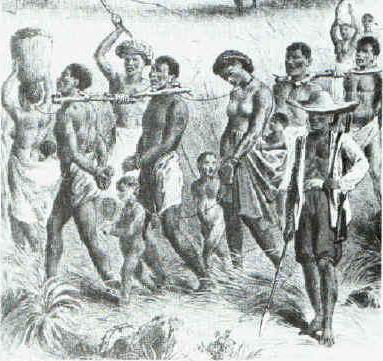
This distinctly African American community began on the eastern coastal islands — spanning from Florida all the way up to North Carolina in the 1600s. Slaves, mostly from West Africa, lived in complete isolation from the continental United States, separated by rivers, swamps and waterways that weren’t easy to cross.
“That created an environment for us to create our own culture, outside of when white American culture developed,” said Akua Page, a Gullah Geechee tour guide, entrepreneur and content creator from Charleston, South Carolina.
The Gullah Geechee people held on to stories, religious practices, farming methods, recipes and even formed their own language, separate from that of colonial Americans on the mainland. But now, the language, and culture, face a new threat.
Find out more about this threat and how social media could help.
The Gullah Geechee created the song “Kumbaya” and you can learn more about them in the Netflix series “High on the Hog”.
Our breaking news page also aims to increase representation and knowledge of Black culture.
Comments Are Welcome
Note: We moderate submissions in order to create a space for meaningful dialogue, a space where museum visitors – adults and youth –– can exchange informed, thoughtful, and relevant comments that add value to our exhibits.
Racial slurs, personal attacks, obscenity, profanity, and SHOUTING do not meet the above standard. Such comments are posted in the exhibit Hateful Speech. Commercial promotions, impersonations, and incoherent comments likewise fail to meet our goals, so will not be posted. Submissions longer than 120 words will be shortened.
See our full Comments Policy here.