For South Africa’s Post-Apartheid Generation, Discontent Grows
Share
Explore Our Galleries
Breaking News!
Today's news and culture by Black and other reporters in the Black and mainstream media.
Ways to Support ABHM?
By Linn Washington Jr., theRoot
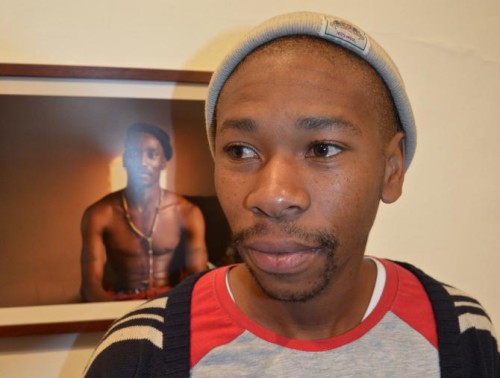
Thakeng Moreki lives in Orange Farm, a sprawling, impoverished shantytown 40 miles south of Johannesburg, the largest city in South Africa—his community a place bypassed by the economic gains that the end of apartheid was supposed to bring to the nation’s poor.
Unemployment exceeds 40 percent in Orange Farm, South Africa’s most populous shantytown, with 350,000 residents. And the lack of opportunity evident across the country falls heavily on the “born frees”—those who grew up after apartheid ended in the early 1990s.
“We have democracy in South Africa but [government] leaders are like: They eat first and then they leave what is left for the people,” Moreki said during an interview last year when South Africa celebrated the 20th anniversary of its democracy, which dawned with the election of Nelson Mandela, the first non-white president of a nation long ruled by white racists.
Moreki, who was 3 years old when Mandela became president, said, “The people fought for democracy, but these leaders forget what they fought for.”
And the dissatisfaction that Moreki feels about the direction of South African democracy is shared by many other born frees: They appreciate the freedoms ushered in by apartheid’s elimination but feel that they haven’t benefited enough from political change.
Read the full article here.
More Breaking News here.
Comments Are Welcome
Note: We moderate submissions in order to create a space for meaningful dialogue, a space where museum visitors – adults and youth –– can exchange informed, thoughtful, and relevant comments that add value to our exhibits.
Racial slurs, personal attacks, obscenity, profanity, and SHOUTING do not meet the above standard. Such comments are posted in the exhibit Hateful Speech. Commercial promotions, impersonations, and incoherent comments likewise fail to meet our goals, so will not be posted. Submissions longer than 120 words will be shortened.
See our full Comments Policy here.