Beyoncé’s Cowboy Carter: Reclaiming the Black Roots of Country Music
Share

Breaking News!
Today's news and culture by Black and other reporters in the Black and mainstream media.
Ways to Support ABHM?
By Scholar-Griot: LaToya Linen
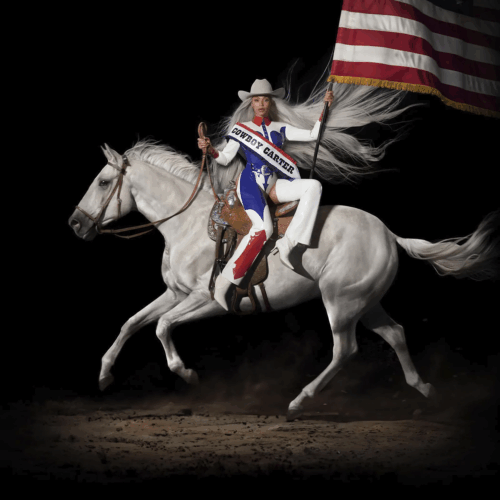
Cowboy Carter - Studio Album Cover, 2024
Beyoncé’s Cowboy Carter is far more than a bold experiment in a new musical style—it is a powerful cultural statement. Through layered storytelling, striking symbolism, and ambitious musical blending, the album challenges long-standing assumptions about country music and the American West. Beyoncé uses this project to confront and correct the ways history has been simplified or distorted, especially regarding Black contributions to country music.
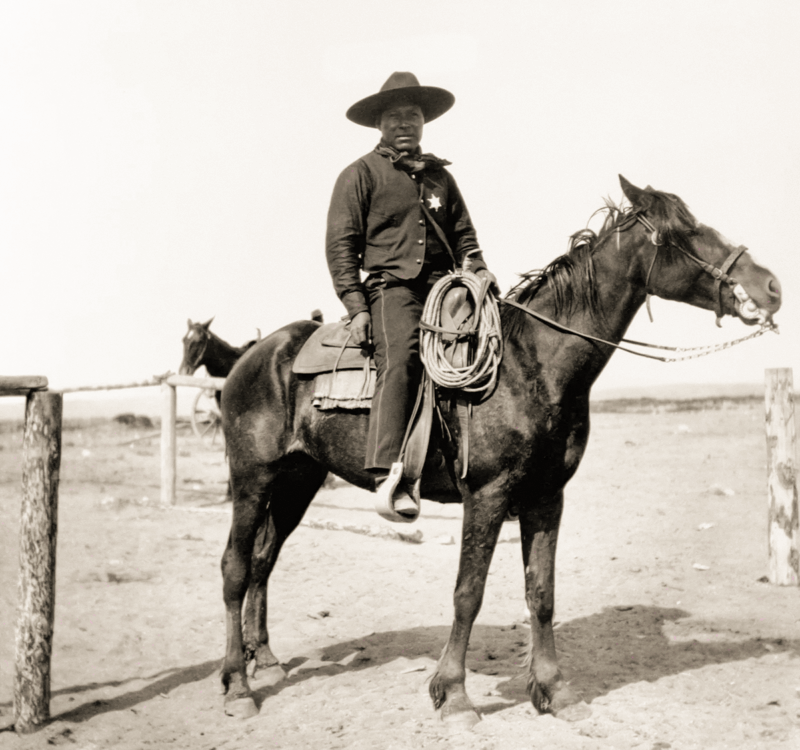
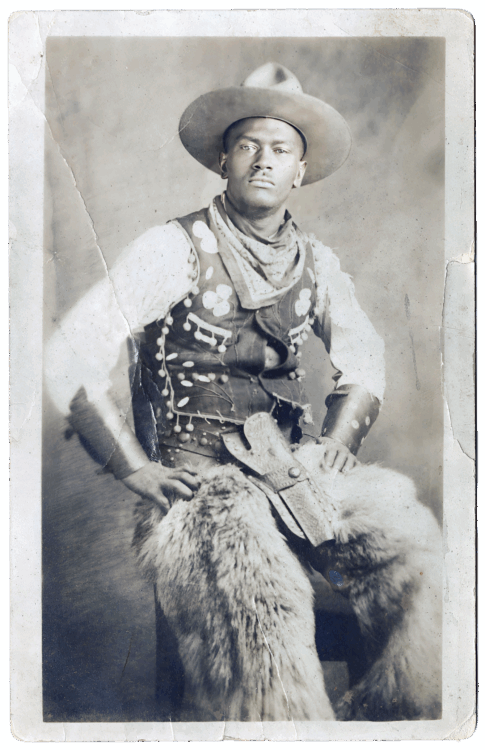
For decades, country music has been presented in mainstream culture as almost entirely White. This narrative has overshadowed the influence of Black musicians, from early banjo players (the instrument itself has African origins) to singers and cowhands who shaped the sound, stories, and imagery we associate with the genre today. Cowboy Carter works to restore this hidden history. It reclaims the space where Black artistry has always existed, whether or not it was recognized.
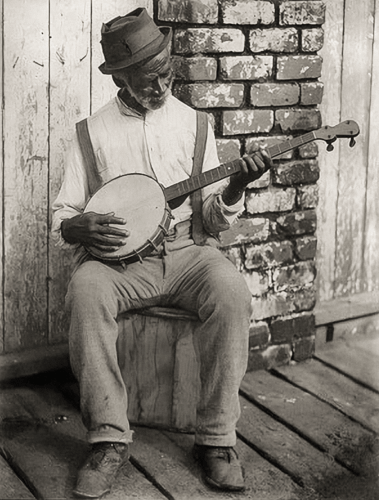
A Black man with his banjo. 1902. Library of Congress
Musically, Beyoncé blends traditional country elements—steel guitars, fiddles, and storytelling ballads—with gospel, R&B, and rock. This fusion is not only creative but purposeful: it reflects the diverse roots of American music itself. Visually and lyrically, she uses classic Western symbols—horses, leather, open landscapes—not as decorations, but as reminders that Black people were part of these spaces, too, even if popular culture has ignored them.
More than anything, Cowboy Carter is an assertion of identity. It challenges listeners to reconsider what “belongs” in country music and who is allowed to tell its stories. By stepping into a genre that has often excluded artists like her, Beyoncé exposes the gaps in our cultural memory and invites a broader, more accurate understanding of American music.
In doing so, she does not just expand the boundaries of country music—she rewrites the narrative, ensuring that the artists and communities who helped create the genre are finally recognized.

LaToya Linen of Utica, NY, is a dedicated professional at The Hartford with a passion for exploring the intersections of culture, history, and community storytelling. Her work highlights the resilience, creativity, and contributions of marginalized communities, with a special focus on African American history and heritage. Through her writing, she aims to preserve powerful narratives, spark conversation, and honor the legacies that continue to shape our collective experience.
Comments Are Welcome
Note: We moderate submissions in order to create a space for meaningful dialogue, a space where museum visitors – adults and youth –– can exchange informed, thoughtful, and relevant comments that add value to our exhibits.
Racial slurs, personal attacks, obscenity, profanity, and SHOUTING do not meet the above standard. Such comments are posted in the exhibit Hateful Speech. Commercial promotions, impersonations, and incoherent comments likewise fail to meet our goals, so will not be posted. Submissions longer than 120 words will be shortened.
See our full Comments Policy here.