Foundation Consortium Acquires Historic African American Photographic Archive
Share
Explore Our Galleries









Breaking News!
Today's news and culture by Black and other reporters in the Black and mainstream media.
Ways to Support ABHM?
News Release
By Linda St.Thomas, Smithsonian Institution (si.edu)
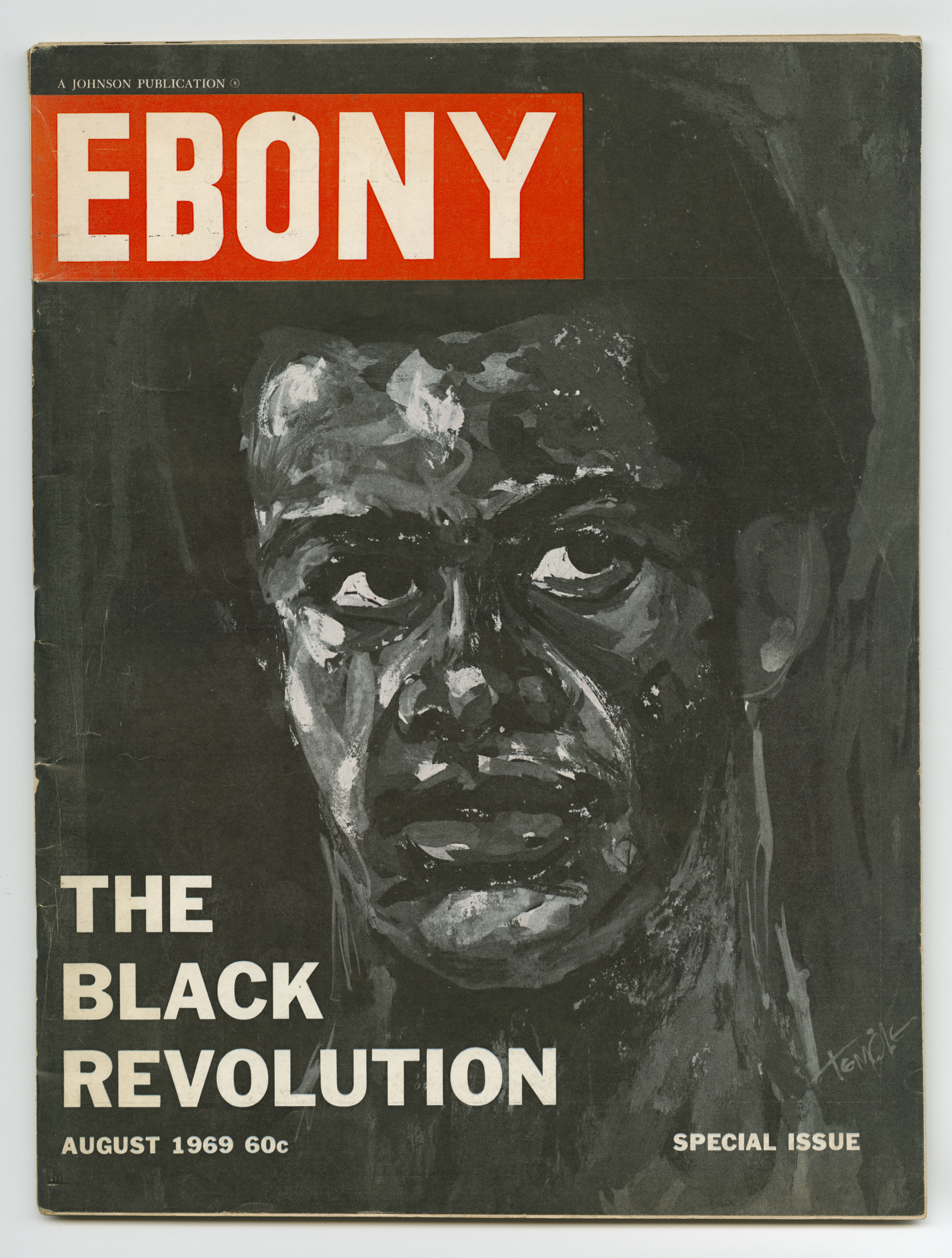 A consortium of foundations… today acquired the archive of Johnson Publishing Company (JPC), publisher of the iconic Ebony and Jet magazines. The acquisition is pending court approval and the closing of the sale.
The archive includes more than 4 million prints and negatives comprising the most significant collection of photographs cataloguing African American life in the 20th century. The archive was acquired for $30 million as part of an auction of the assets of JPC in connection with its Chapter 7 bankruptcy filing.
The foundation consortium will donate the archives to the Smithsonian National Museum of African American History and Culture, the Getty Research Institute, and other leading cultural institutions for the public benefit to ensure the broadest access for the general public and use by scholars, researchers, journalists, and other interested parties.
Speaking after the sale, Ford Foundation president Darren Walker said, “We’re thrilled with the outcome. This archive is a national treasure and one of tremendous importance to the telling of black history in America. We felt it was imperative to preserve these images, to give them the exposure they deserve and make them readily available to the public.”
James Cuno, president of The J. Paul Getty Trust noted, “There is no greater repository of the history of the modern African-American experience than this archive. Saving it and making it available to the public is a great honor and a grave responsibility.”
To read the rest of the article click here
Comments Are Welcome
Note: We moderate submissions in order to create a space for meaningful dialogue, a space where museum visitors – adults and youth –– can exchange informed, thoughtful, and relevant comments that add value to our exhibits.
Racial slurs, personal attacks, obscenity, profanity, and SHOUTING do not meet the above standard. Such comments are posted in the exhibit Hateful Speech. Commercial promotions, impersonations, and incoherent comments likewise fail to meet our goals, so will not be posted. Submissions longer than 120 words will be shortened.
See our full Comments Policy here.