Race
Explore Our Online Exhibits


Breaking News




Worldwide Community Events
Week 4
- Sun 1
- Mon 2
- Tue 3
- Wed 4
- Thu 5
- Fri 6
- Sat 7
- Sun 8
- Mon 9
- Tue 10
- Wed 11
- Thu 12
- Fri 13
- Sat 14
- Sun 15
- Mon 16
- Tue 17
- Wed 18
- Thu 19
- Fri 20
- Sat 21
- Sun 22
- Mon 23
- Tue 24
- Wed 25
- Thu 26
- Fri 27
- Sat 28
- Sun 29
- Mon 30
- Tue 31
- Wed 1
- Thu 2
- Fri 3
- Sat 4
-
No Events
-
No Events
-
No Events
-
No Events
-
No Events
Share
The concept of race is important to America's Black Holocaust Museum because of its impact on the African diaspora. Race is a way of categorizing people by physical features–predominantly skin color. In much of the world, the white (caucasian) race is viewed more favorably than other races. The social construct has been used to justify kidnapping and enslaving African peoples and centuries of racism, including redlining, Jim Crow laws, anti-Black violence, and racial stereotypes about laziness, to give just a few examples.
While race-based arguments for inhumane treatment do not reflect biological reality, especially because someone can be of multiple races, members of the same race may share certain cultural and genetic characteristics. For example, the Black community is disproportionately impacted by Sickle Cell Disease. However, it is important to remember that commonalities between people of the same race do not indicate a genetic or biological component. Instead, racism contributes to environments in ways that can have serious and lasting impacts, especially on Black health and wealth. For example, redlining and lack of money led to many Black people living in areas with more pollution, and those in the medical field do not always provide the same service to Black patients, both of which can impact health.
Because of these inequalities, the Civil Rights Movement and other social, legal, and economic efforts for equality often specifically benefit Black people and other people of color. Race and its impact on the world have also been the topic of interdisciplinary study, and some artists specifically incorporate race--and racism--into their work. Furthermore, race can be a source of pride, sometimes in response to racism and negative stereotypes.

Research into how children learn to recognize faces could help us understand race-based discrimination.

Thanks to DNA testing, people are discovering surprising racial ancestry–and having to reconcile that with their identities.
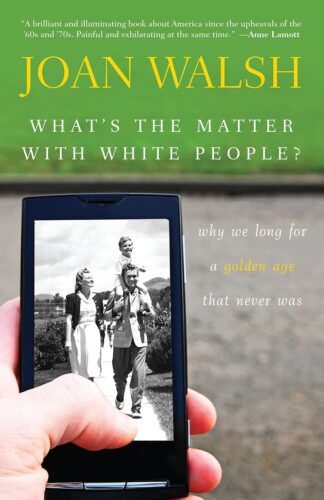
One author tackles a tired, racism belief about economic disparities and what–if anything–they say about work ethic.
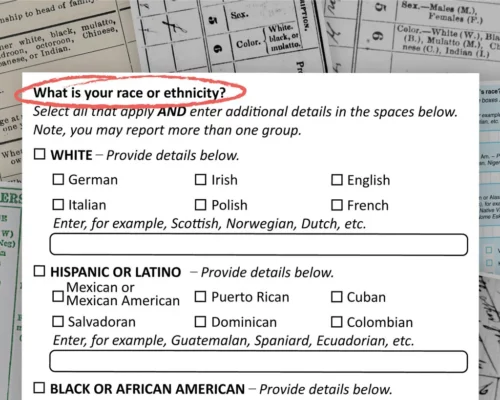
As the American population becomes more colorful, we must reexamine what words like “minority” mean and who systems serve.

Barack Obama isn’t the first Black president of a North American country. He follows in the footsteps of a Mexican politician.
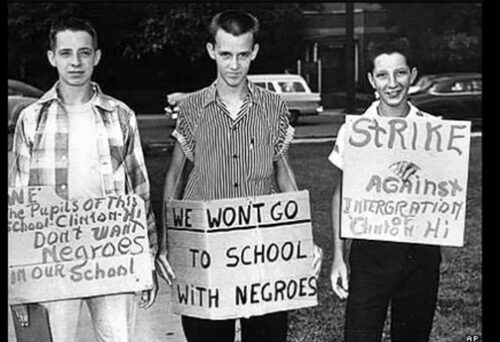
Kevin P. Chavous ponders the significance of the Supreme Court decree for desegregation in the face of today’s education realities.

Politicians and citizens alike argue about the state of taxes, but no one seems willing to bring race into the discussion.
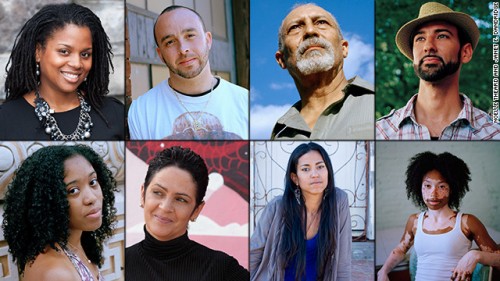
What does it mean to be Black in America? As it turns out, the answer is more complicated than it seems, and racism plays a role.
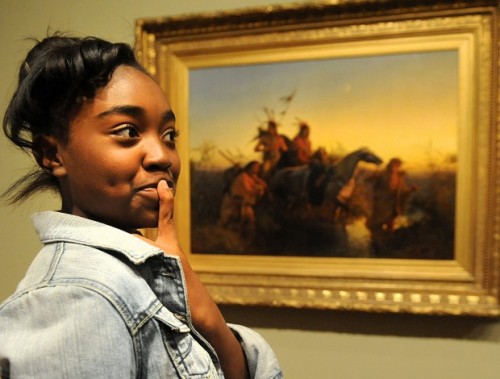
The St. Louis Art Museum hosts an annual exhibit featuring people of color to resist racist stereotypes that plague Black Americans.

Henry Louis Gates, Jr. examines DNA databases to learn how Black the country’s Black residents really are… to surprising results.