One Hundred Years of Jim Crow
Voting Rights for Blacks and Poor Whites in the Jim Crow South
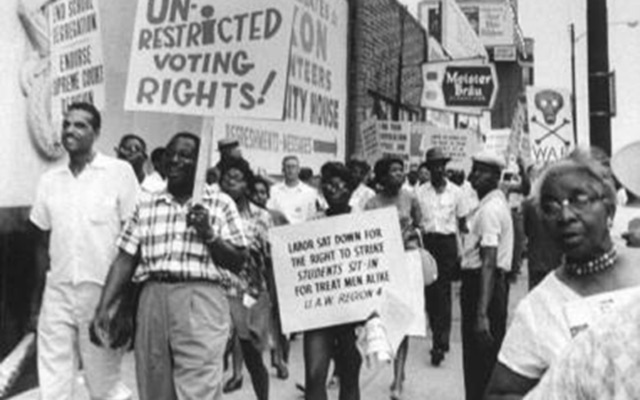
From about 1900 to 1965, most African Americans were not allowed to vote in the South. White people in power used many methods to keep black people from voting. Some of these methods also prevented poor white people from voting. Today there are still laws and customs that make it harder for African Americans, other minorities, and some whites to vote.
Read MoreThe Education of Black Children in the Jim Crow South
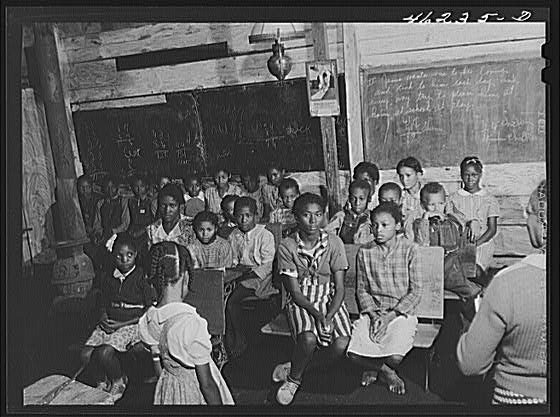
Education is the key to economic success. It is true now, and it was true in the Jim Crow South. Southern education was not very good – even for white children. But education for blacks in the South in the early 1900s was worse in many ways. In this exhibit you can learn what school was like for most African American children in the South – and why.
Read MoreJohn Carter: A Scapegoat for Anger
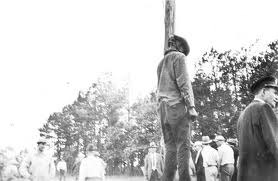
In 1927, a frenzied white mob in Little Rock, Arkansas, was focused on revenge. A little white girl had been murdered and they wanted to lynch whoever did it. When they grabbed a black man, they knew he wasn’t the killer. Still, they thought he’d done something else that made them mad. John Carter was their scapegoat: he paid the price for something he didn’t do.
Read MoreThe Rosenwald Schools: An Impressive Legacy of Black-Jewish Collaboration for Negro Education
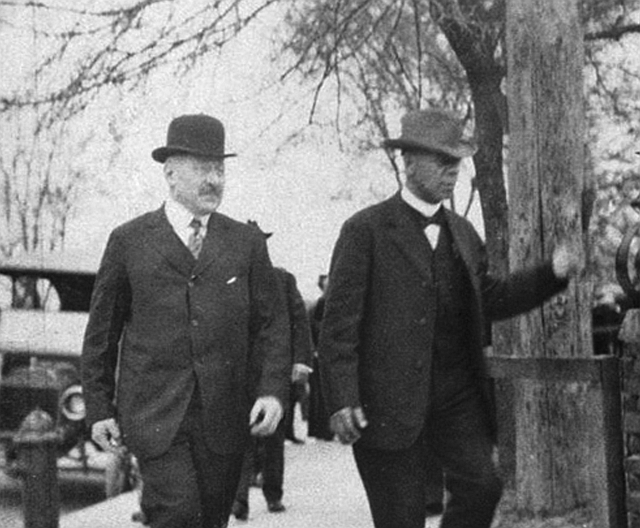
Between 1912 and 1932, nearly 5,000 “Rosenwald schools” for black children were established in the South. The money to start them came from a Jewish donor, Julius Rosenwald, who collaborated with Booker T. Washington. By 1932, about one-third of black students in the South were attending Rosenwald schools. In addition to 4,977 schools, Rosenwald contributed to 217 homes for teachers. He also established 163 machine shops where students learned practical skills.
Read MorePolitical Parties in Black and White
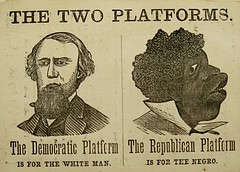
How the first African American voters started out with the Republican Party – and how most ended up voting with the Democratic Party today.
Read MoreHateful Things: An Exhibit from the Jim Crow Museum of Racist Memorabilia
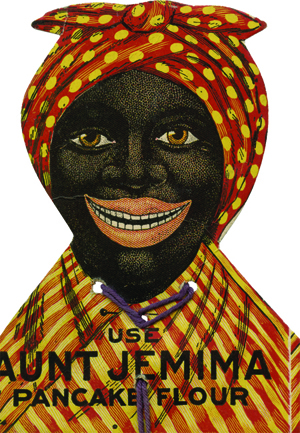
In 2006, ABHM brought the traveling exhibit “Hateful Things” from the Jim Crow Museum of Racist Memorabilia. Two Milwaukee teens made this excellent short video about the exhibit and what they learned from it. In this exhibit you can see racist memorabilia and visit the Jim Crow Museum.
Read MoreClaxton Dekle – Prosperous Farmer, Husband & Father of Two

Mr. Dekle’s great-great-nephew shares details about what was lost by members of his immediate and extended family when Uncle Clax was murdered.
Read MoreAn Iconic Lynching in the North

On a hot August night in 1930, 15,000 people flooded into the small Indiana town of Marion to see a great spectacle. Three black teenagers were being lynched for supposedly raping a white woman and killing a white man. The boys were savagely beaten by a mob of men, women and children. One by one they were hanged. Two died – but with the rope already tightening around his neck, one boy was saved.
The souvenir photo taken of this “spectacle lynching” is very well-known. They say it inspired the song “Strange Fruit,” written by teacher Abel Meeropol and made popular by singer Billie Holiday.
Read MoreFreedom’s Heroes During Jim Crow: Flossie Bailey and the Deeters

This exhibit pays tribute to people who fought hatred and injustice in the Jim Crow period. Some of these are well-known; others are unsung, ordinary people. Every quarter we will add more stories about the many heros of this era.
To inaugurate the exhibit, we present three unsung heros who opposed the infamous lynching in Marion, Indiana in 1930: Flossie Bailey and Grace and William Deeter.
Read MoreBibliography – One Hundred Years Of Jim Crow

If you want to dig deeper into the issues of the Jim Crow era, this extensive bibliography will get you started.
Read More