A debate brews among Black Ivy League students over representation on campus
Share
Explore Our Galleries
Breaking News!
Today's news and culture by Black and other reporters in the Black and mainstream media.
Ways to Support ABHM?
By Uwa Ede-Osifo
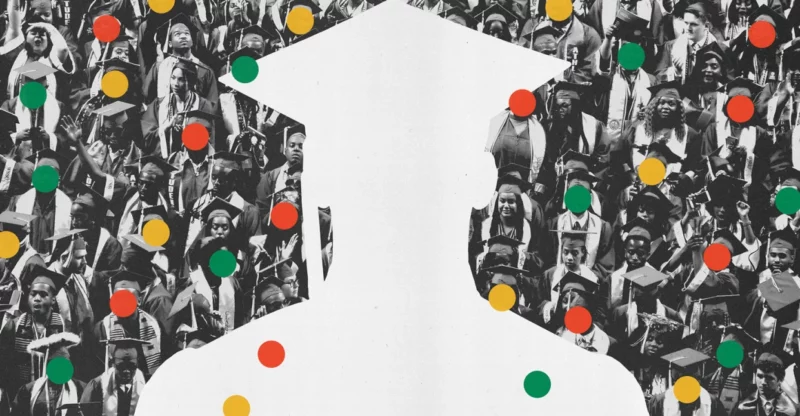
Michaela Glavin did not feel a sense of belonging in the Black community when she arrived as a freshman at Harvard.
The Black student body was warm and welcoming, but as a multigenerational African American — a descendant of enslaved Africans brought to the U.S. — she said she felt like “a minority within a minority.”
“The descendants of slavery on campus are woefully underrepresented,” said Glavin, now a junior.
Black and Latino students have long been underrepresented on Ivy League campuses as a whole, even when these colleges practiced race-conscious admissions. So when the Supreme Court in June struck down affirmative action programs at Harvard and the University of North Carolina — effectively ending the systematic consideration of race in the admissions process — experts sounded the alarm that enrollment at elite colleges could drop for Black and Latino students.
But African American students (and in this article, we’re using African American to specifically denote descendants of enslaved people) at Ivy League schools are concerned about a more nuanced shift: Admissions officers may be missing or ignoring the difference between descendants of enslaved people whose families have faced centuries of educational and economic racial disparities, and Black immigrant families who still face racism but are likely to be less tied to generational economic hurdles that can make elite educations unobtainable.
Discover why Black students need HBCUs.
Comments Are Welcome
Note: We moderate submissions in order to create a space for meaningful dialogue, a space where museum visitors – adults and youth –– can exchange informed, thoughtful, and relevant comments that add value to our exhibits.
Racial slurs, personal attacks, obscenity, profanity, and SHOUTING do not meet the above standard. Such comments are posted in the exhibit Hateful Speech. Commercial promotions, impersonations, and incoherent comments likewise fail to meet our goals, so will not be posted. Submissions longer than 120 words will be shortened.
See our full Comments Policy here.