Reconciliation
Explore Our Online Exhibits
Breaking News


Worldwide Community Events
Week 5
- Sun 28
- Mon 29
- Tue 30
- Wed 1
- Thu 2
- Fri 3
- Sat 4
- Sun 5
- Mon 6
- Tue 7
- Wed 8
- Thu 9
- Fri 10
- Sat 11
- Sun 12
- Mon 13
- Tue 14
- Wed 15
- Thu 16
- Fri 17
- Sat 18
- Sun 19
- Mon 20
- Tue 21
- Wed 22
- Thu 23
- Fri 24
- Sat 25
- Sun 26
- Mon 27
- Tue 28
- Wed 29
- Thu 30
- Fri 31
- Sat 1
-
No Events
-
No Events
-
No Events
-
No Events
-
No Events
Share
"Reconciliation" is one of America's Black Holocaust Museum's four themes, which serve as pillars in our virtual museum. While redemption focuses more on personal actions and growth, reconciliation is a multifaceted societal ideal involving positive relationships between the Black and non-Black communities. Racial reconciliation requires honesty and openness as we examine and acknowledge the harm caused by racism and adjust society and our attitudes to end present harm and move closer to equality.
Our founder, Dr. James Cameron, encouraged us to remember and to speak honestly and respectfully about our shared racial history, believing this would lead to racial reconciliation.
Many events and breaking news articles continue to showcase this theme as Black Americans break stereotypes and barriers to success.
ABHM calls on people everywhere to work for liberty and justice for all. Stand with us by signing our Freedom Lovers’ Pledge. Let others know of your commitment by putting your name (and photo if you’re willing) alongside other Freedom Lovers on our Roll Call Wall. Thank you!
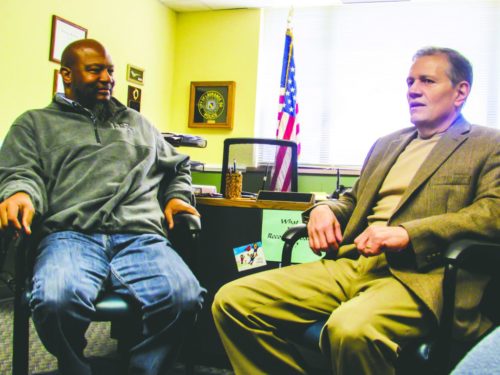
The police chief of Lagrange, Georgia, along with the city’s mayor and the white business community, issued an apology to the Callaway family and the NAACP for the 1940 lynching of teenaged Austin Callaway. A commemorative ceremony and memorial plaque will be placed to honor Callaway and other victims of lynchings in the county.
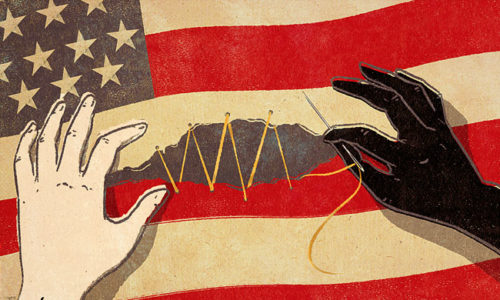
A long-time white anti-bias educator and activist finds that her fellow white Americans are increasingly eager to understand America’s racial hierarchy and their part in it. A discussion of the roots and impacts of the White Racial Frame and what white people can do about it.
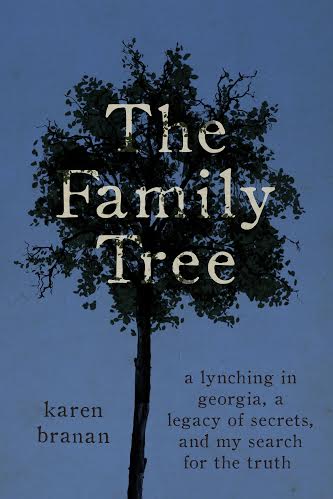
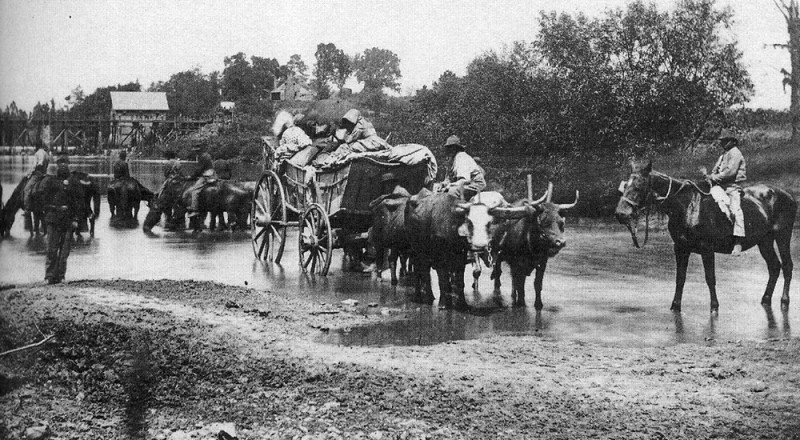
Karen Branan returns to her ancestral home in Georgia to discover the truth behind the lynching of three black men and a black woman in 1912 – including the complicity of her family. She tells the story in a new book, The Family Tree.
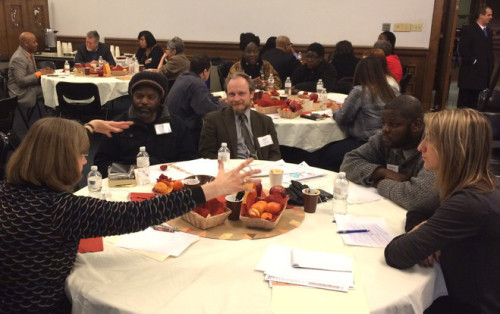
A video series of presentations by scholars and activists at ABHM’s 2014 Gathering for Racial Repair and Reconciliation.
The exhibit provides an overview of the topic through text and videos. It samples processes for repair and reconciliation in use around the country, along with links to books, videos, and websites for deeper understanding and action.
ABHM’s Virtual Museum Director reflects on her experiences at the Gathering for Racial Repair and Reconciliation honoring the museum’s founder, Dr. James Cameron.
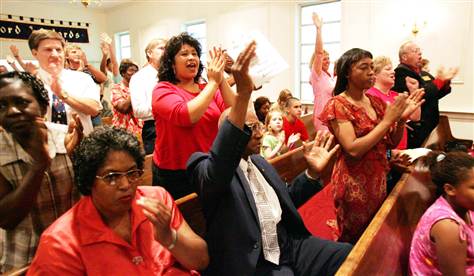
Hundreds gathered in a small town church in Abbeville, South Carolina, known as the the birthplace of the Confederacy. Descendants of Anthony Crawford and descendants of his lynchers joined in a service of apology, forgiveness and reconciliation for that lynching and other racial injustices that took place there nearly a century ago.
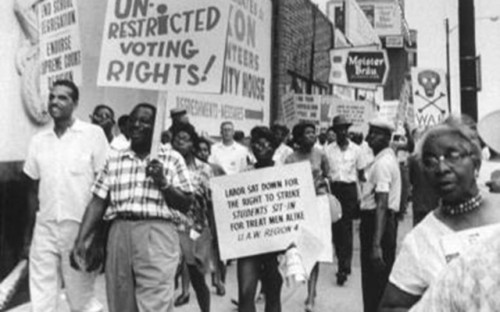
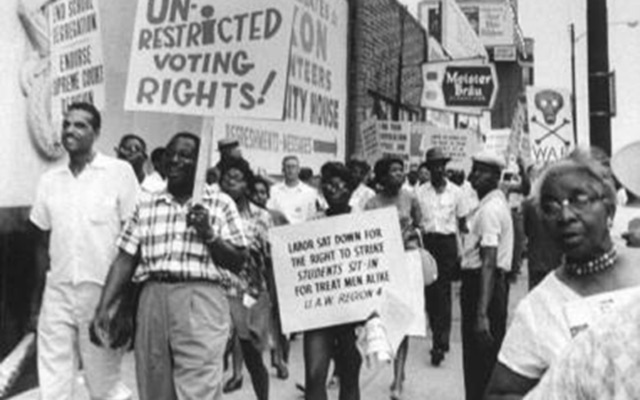
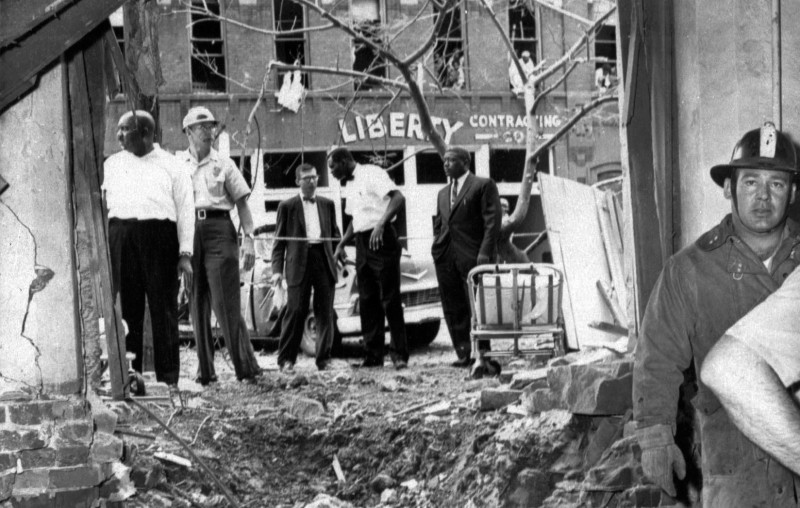
From about 1900 to 1965, most African Americans were not allowed to vote in the South. White people in power used many methods to keep black people from voting. Some of these methods also prevented poor white people from voting. Today there are still laws and customs that make it harder for African Americans, other minorities, and some whites to vote.