Indianapolis lynching victim’s death ruled as homicide 100 years after his murder
Share
Explore Our Galleries
Breaking News!
Today's news and culture by Black and other reporters in the Black and mainstream media.
Ways to Support ABHM?
By Rachel Krause, WTHR
The coroner at the time said Tomkins “could not have hanged himself.” But when his death certificate was finalized, the cause of death read suicide, not homicide.
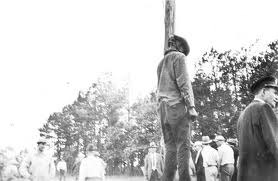
INDIANAPOLIS — One hundred years ago this month, a man named George Tompkins was lynched in Indianapolis, his body found hanging in the woods. At the time, his death was ruled a suicide. Now, the community is coming together to honor Tompkins’ memory by seeking justice for how he died.
“We are just here trying to bring justice, to the extent that we can, but also to start a dialogue,” said Karen Christensen of the Indiana Remembrance Coalition.
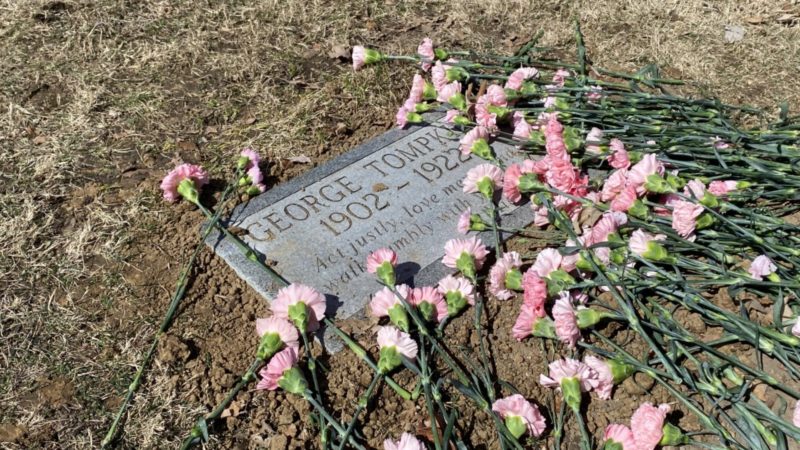
Inside Floral Park Cemetery on the city’s west side, dozens of people crowded around the newest headstone in the ground Saturday morning. One by one, they draped pink carnations on top of the stone set in place to honor a man killed in Indianapolis a century ago.
“In 1922, George Tompkins did not receive justice, neither in life nor in death,” said Indianapolis Mayor Joe Hogsett…
Now, one century later, McGinty has with her a new death certificate that lists Tompkins’s death for what it was, murder.
Keep reading on WTHR to learn how Tompkins finally got justice.
Visit our online exhibit dedicated to the victims of lynching. You can also learn about the popularity of lynching postcards.
Comments Are Welcome
Note: We moderate submissions in order to create a space for meaningful dialogue, a space where museum visitors – adults and youth –– can exchange informed, thoughtful, and relevant comments that add value to our exhibits.
Racial slurs, personal attacks, obscenity, profanity, and SHOUTING do not meet the above standard. Such comments are posted in the exhibit Hateful Speech. Commercial promotions, impersonations, and incoherent comments likewise fail to meet our goals, so will not be posted. Submissions longer than 120 words will be shortened.
See our full Comments Policy here.