Emmett Till
Explore Our Online Exhibits









Breaking News



Worldwide Community Events
Week 2
- Sun 27
- Mon 28
- Tue 29
- Wed 30
- Thu 1
- Fri 2
- Sat 3
- Sun 4
- Mon 5
- Tue 6
- Wed 7
- Thu 8
- Fri 9
- Sat 10
- Sun 11
- Mon 12
- Tue 13
- Wed 14
- Thu 15
- Fri 16
- Sat 17
- Sun 18
- Mon 19
- Tue 20
- Wed 21
- Thu 22
- Fri 23
- Sat 24
- Sun 25
- Mon 26
- Tue 27
- Wed 28
- Thu 29
- Fri 30
- Sat 31
-
27September
-
28September
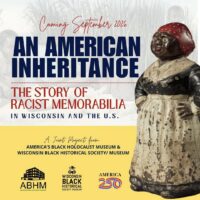
An American Inheritance: The Story of Racist Memorabilia
Wisconsin Black Historical Society in MKE28September -
29September
An American Inheritance: The Story of Racist Memorabilia
Wisconsin Black Historical Society in MKE29September -
30September
An American Inheritance: The Story of Racist Memorabilia
Wisconsin Black Historical Society in MKE30September -
01October
An American Inheritance: The Story of Racist Memorabilia
Wisconsin Black Historical Society in MKE01October -
02October
An American Inheritance: The Story of Racist Memorabilia
Wisconsin Black Historical Society in MKE02October -
03October
An American Inheritance: The Story of Racist Memorabilia
Wisconsin Black Historical Society in MKE03October03October 9:00 AM - 4:00 PM
18th Annual Black Women’s Wellness Day
Monona Terrace Community & Convention Center -
04October
An American Inheritance: The Story of Racist Memorabilia
Wisconsin Black Historical Society in MKE04October -
05October
An American Inheritance: The Story of Racist Memorabilia
Wisconsin Black Historical Society in MKE05October -
06October
An American Inheritance: The Story of Racist Memorabilia
Wisconsin Black Historical Society in MKE06October -
07October
An American Inheritance: The Story of Racist Memorabilia
Wisconsin Black Historical Society in MKE07October -
08October
An American Inheritance: The Story of Racist Memorabilia
Wisconsin Black Historical Society in MKE08October08October
Silicon Valley African Film Festival 2026
The Historic Hoover Theatre, San Jose -
09October
An American Inheritance: The Story of Racist Memorabilia
Wisconsin Black Historical Society in MKE09October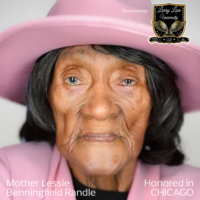
Mother Lessie Benningfield Randle Comes to Chicago
Obama Presidential Center09October09OctoberSilicon Valley African Film Festival 2026
The Historic Hoover Theatre, San Jose -
10October
An American Inheritance: The Story of Racist Memorabilia
Wisconsin Black Historical Society in MKE10OctoberMother Lessie Benningfield Randle Comes to Chicago
Obama Presidential Center10October10OctoberSilicon Valley African Film Festival 2026
The Historic Hoover Theatre, San Jose -
11October
An American Inheritance: The Story of Racist Memorabilia
Wisconsin Black Historical Society in MKE11OctoberMother Lessie Benningfield Randle Comes to Chicago
Obama Presidential Center11October11OctoberSilicon Valley African Film Festival 2026
The Historic Hoover Theatre, San Jose -
12October
An American Inheritance: The Story of Racist Memorabilia
Wisconsin Black Historical Society in MKE12October -
13October
An American Inheritance: The Story of Racist Memorabilia
Wisconsin Black Historical Society in MKE13October -
14October
An American Inheritance: The Story of Racist Memorabilia
Wisconsin Black Historical Society in MKE14October -
15October
An American Inheritance: The Story of Racist Memorabilia
Wisconsin Black Historical Society in MKE15October15October
Black Travel Summit 2026
Baird Center, Milwaukee -
16October
An American Inheritance: The Story of Racist Memorabilia
Wisconsin Black Historical Society in MKE16October16OctoberBlack Travel Summit 2026
Baird Center, Milwaukee -
17October
An American Inheritance: The Story of Racist Memorabilia
Wisconsin Black Historical Society in MKE17October17OctoberBlack Travel Summit 2026
Baird Center, Milwaukee -
18October
An American Inheritance: The Story of Racist Memorabilia
Wisconsin Black Historical Society in MKE18October18OctoberBlack Travel Summit 2026
Baird Center, Milwaukee -
19October
An American Inheritance: The Story of Racist Memorabilia
Wisconsin Black Historical Society in MKE19October -
20October
An American Inheritance: The Story of Racist Memorabilia
Wisconsin Black Historical Society in MKE20October -
21October
An American Inheritance: The Story of Racist Memorabilia
Wisconsin Black Historical Society in MKE21October -
22October
An American Inheritance: The Story of Racist Memorabilia
Wisconsin Black Historical Society in MKE22October -
23October
An American Inheritance: The Story of Racist Memorabilia
Wisconsin Black Historical Society in MKE23October23October
14th Annual Black Farmers and Urban Gardeners National Conference
Dillard University -
24October
An American Inheritance: The Story of Racist Memorabilia
Wisconsin Black Historical Society in MKE24October24October14th Annual Black Farmers and Urban Gardeners National Conference
Dillard University24October
-
25October
An American Inheritance: The Story of Racist Memorabilia
Wisconsin Black Historical Society in MKE25October25October14th Annual Black Farmers and Urban Gardeners National Conference
Dillard University -
26October
An American Inheritance: The Story of Racist Memorabilia
Wisconsin Black Historical Society in MKE26October -
27October
An American Inheritance: The Story of Racist Memorabilia
Wisconsin Black Historical Society in MKE27October -
28October
An American Inheritance: The Story of Racist Memorabilia
Wisconsin Black Historical Society in MKE28October -
29October
An American Inheritance: The Story of Racist Memorabilia
Wisconsin Black Historical Society in MKE29October -
30October
An American Inheritance: The Story of Racist Memorabilia
Wisconsin Black Historical Society in MKE30October -
31October
An American Inheritance: The Story of Racist Memorabilia
Wisconsin Black Historical Society in MKE31October31October
Share
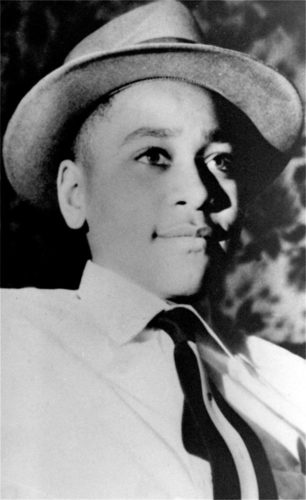
The lynching of Emmett Till is among the most infamous lynchings in the United States. Till was just a boy of 14 years when his life was tragically and violently cut short on August 28, 1955 after a white woman named Carolyn Bryant accused him of offending her in a store. The perpetrators of the murder were Bryant’s then-husband and brother-in-law. The white men beat and shot Till before callously leaving his body in a river. Both men were acquitted by an all-white trial.
In June 2022, a warrant never served for Carol Bryant’s arrest surfaced in a courtroom basement, where it sat for nearly 70 years. The warrant was for her involvement in Till’s kidnapping. Public outcry led to a lawsuit against the woman, the first official action after reopening the case. However, she died before facing any legal ramifications for her involvement.
The lynching of young Emmett Till has become a tragic lesson in American race relationships. Although lynchings in the 1950s were less common than they once were, they still existed. The boy’s age may have encouraged people to draw a line where they might have looked the other way, leading to Carol Bryant’s warrant. However, Till’s murder was one act in a long line of anti-Black violence, and the failure to serve Carol Bryant’s warrant reveals the power of white privilege.
Still, Emmett Till’s murder galvanized other people into action, including his other, Mamie Till-Mobley. As a mother to a Black child, Till-Mobley was acutely aware of adultification bias, which happens when people see Black children as older and more threatening than they are (it continues to play a role in anti-Black violence). This fear was portrayed in a 2022 biopic about Till. But Till-Mobley had already been an activist for years, and the handling of her son’s funeral and her many public appearances contributed to this lynching becoming a national subject.
Emmett Till’s face has become familiar to many Americans as it appears in museums and on statues and other memorials, thanks in part to his mother’s efforts. Both Mamie Till-Mobley and her son were awarded the Congressional Gold Medal in 2022. The same year, the Emmett Till Anti-Lynching Act was signed into law by President Joe Biden. Nevertheless, some view this law as an empty gesture, rightfully arguing that hate crimes were already illegal and the racism that allowed them to persist will continue to do so.
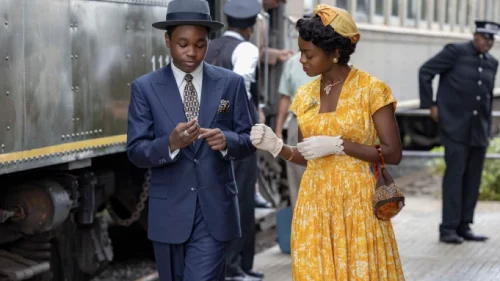
You can now see the trailer for the upcoming Emmett Till biopic by Chinonye Chukwu, which will premiere at the New York Film Festival.
The family of Emmett Till, who was brutally murdered at 14, demands an arrest after a decades-old warrant was found in a courthouse basement.
Many have celebrated the Emmett Till Antilynching Act, signed into law on March 29, 2022. I see no reason to celebrate a law that is one hundred years late and is not an anti-lynching bill, despite the name.

Congressman John Lewis, the civil rights leader who died on July 17, wrote this essay shortly before his death – to be published on the day of his funeral.
On a mission from God, in 2017 Johnathon Kelso, a Florida native decided to document lynching sites in six Southern states and to talk with the victims’ descendants.

Whose justice is served by reopening the Emmett Till case?
This article is about the anti-lynching and racial injustice museums opening across the country, most notably The National Memorial for Peace and Justice and The Legacy Museum in Montgomery, Alabama, and the Mississippi Civil Rights Museum in Jackson, Mississippi.
By Elyse Wanshel, HuffPost Black Voices A civil rights landmark in Mississippi that commemorates the death of Emmett Till has been vandalized, The Associated Press reported Monday. The sign, which has been defaced before, was scraped so badly that information and photos about Till’s brutal death have been obliterated. Students from Cultural Leadership, a St. Louis-based nonprofit that teaches young adults how to become civil rights leaders, were present at the site after the sign was vandalized and were disheartened by the destruction. Dani Gottlieb, a 16-year-old from Cultural Leadership, told HuffPost that she was expecting to see “flowers growing in Emmett Till’s honor” at the landmark, “not a torn-down marker.” She and her peers decided as a group to take action. They covered the scraped-off information with hand-drawn pictures of Till, messages of hope and information about his killing. Read the article in its entirety here. Read in depth about the struggle for justice and equal rights here. Read more Breaking News here.
When Johnson Publishing, a black-founded and owned company, announced a little more than two weeks ago that it had sold Ebony and Jet to a private equity firm in Texas, there was a sense of loss. Traditional media companies have struggled for years to adapt to a digital world, but the pressure on black-owned media has been even more acute.
Six decades after the brutal slaying of Emmett Till, a 14-year-old black boy, the small Mississippi Delta town where two white men were acquitted of his murder is dedicating a museum to the event credited with helping spark the U.S. civil rights movement.