Our Four Themes: Remembrance, Resistance, Redemption, Reconciliation
Share
About ABHM
Explore Our Galleries

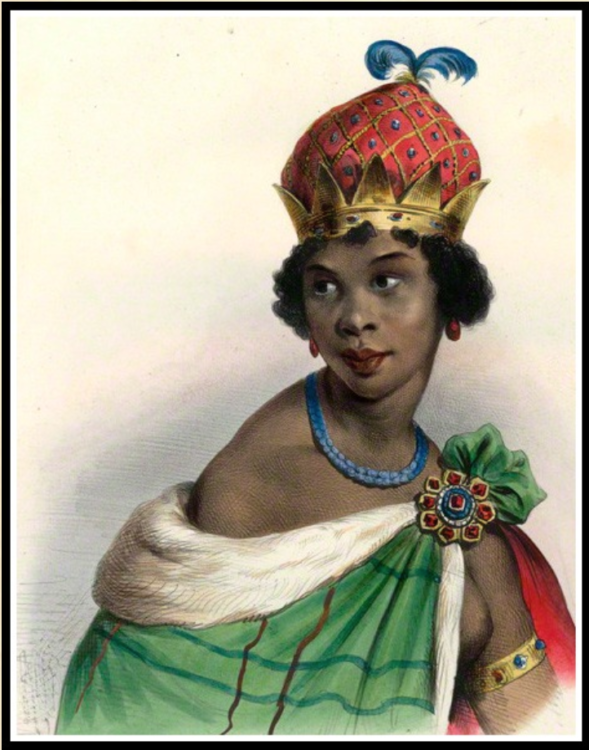
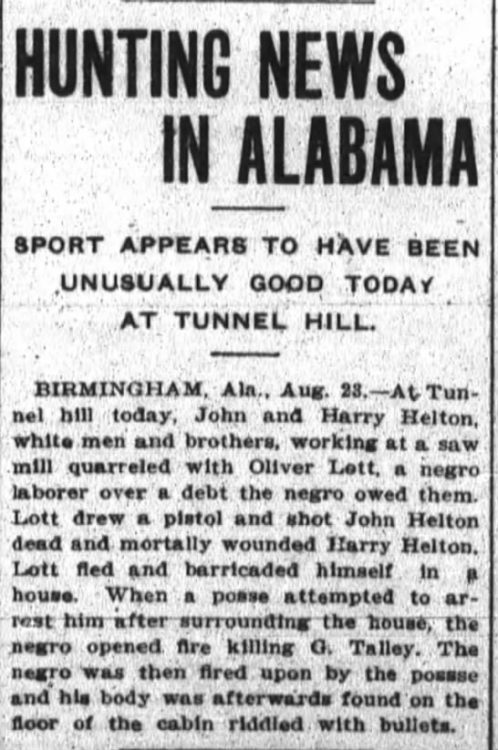
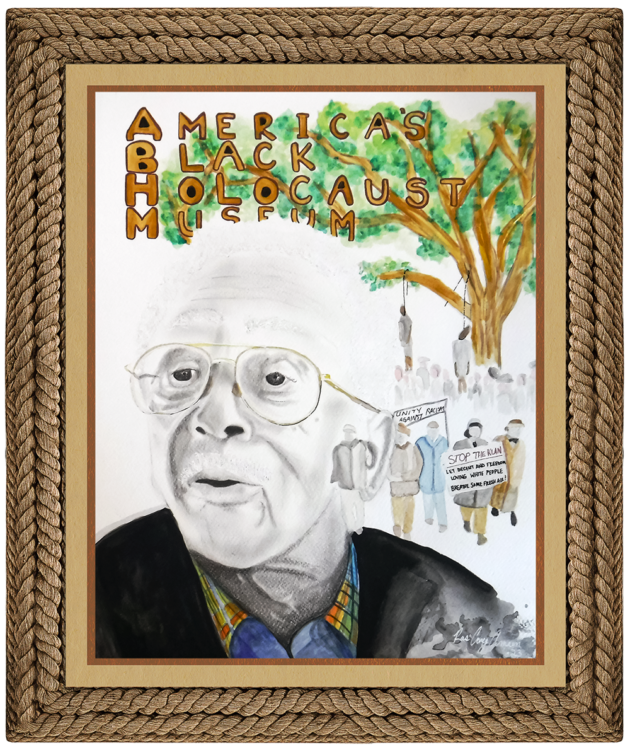
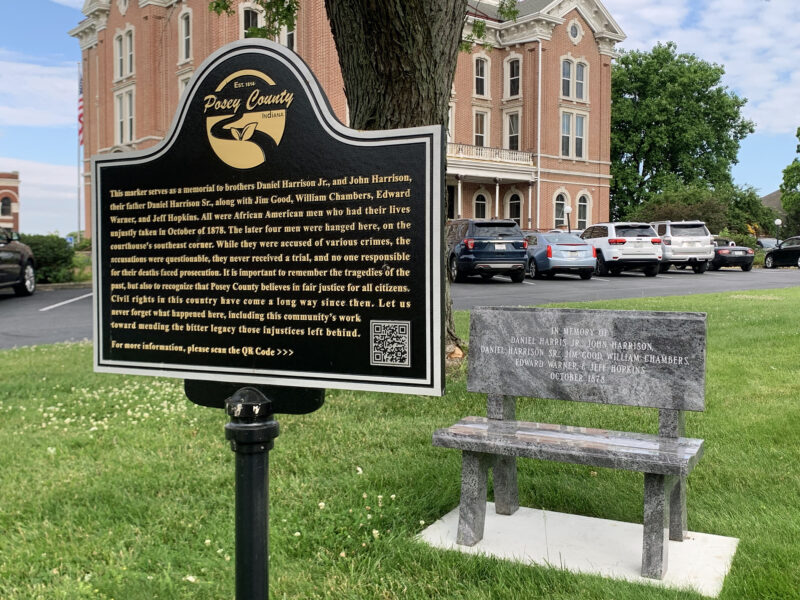

Breaking News!
Today's news and culture by Black and other reporters in the Black and mainstream media.
Ways to Support ABHM?
In each Gallery of this virtual museum you will find exhibits reflecting one or more of our Four Themes: Remembrance, Resistance, Redemption, and Reconciliation.
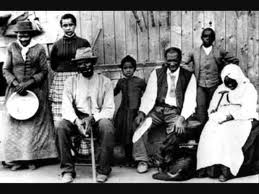

REMEMBRANCE:
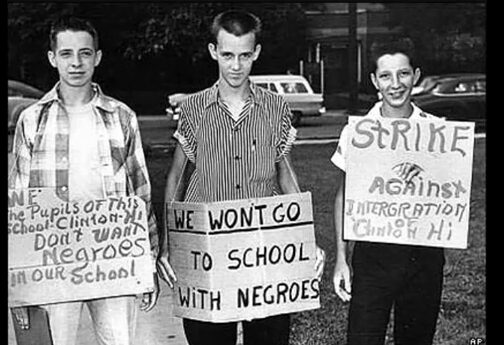
In every Gallery we remember important historical events and people. Some of these are well-known, but most are not. The stories told in most of ABHvM's exhibits have been left out of our history books or been told incompletely.
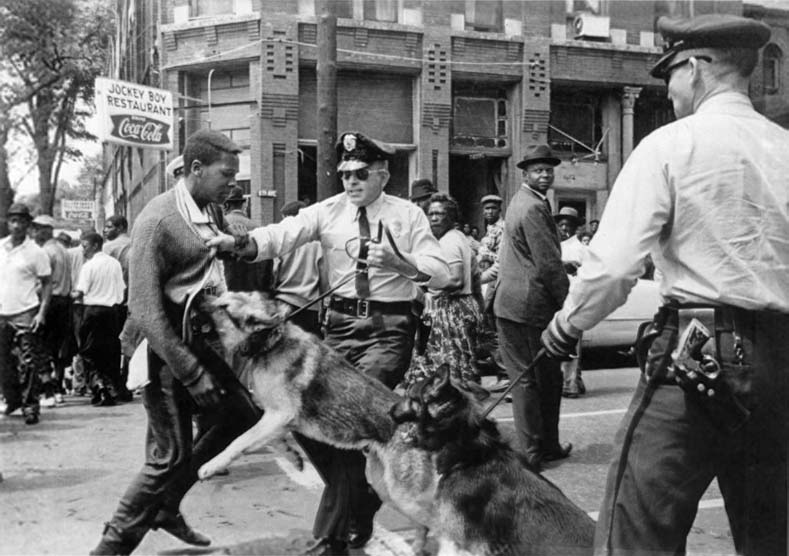
RESISTANCE:
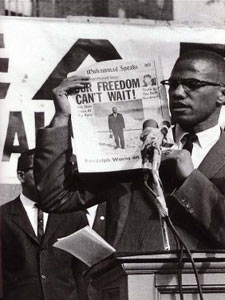
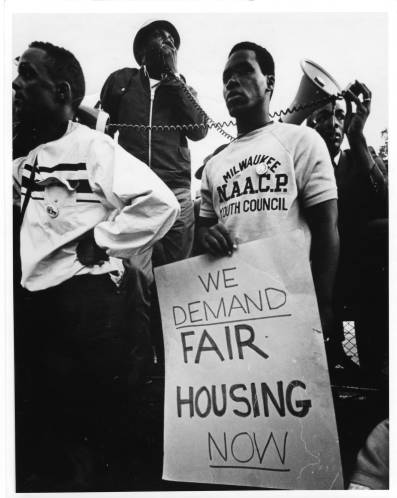
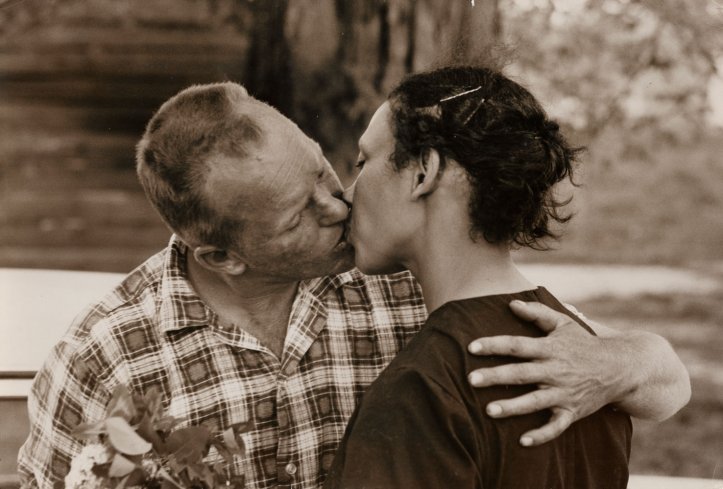
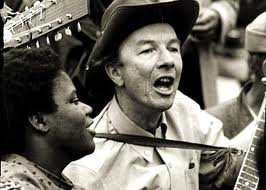
People of African descent in this country have been targets of injustice for five hundred years, but they have not been simply victims. At ABHvM we also remember the many ways that black people and freedom-loving white people have resisted injustice.
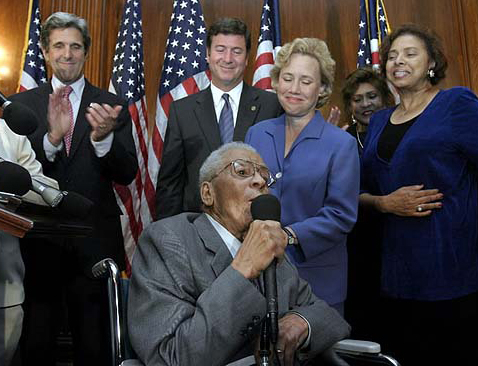
REDEMPTION:
Redemption is the act of saving – or being saved – from sin, error, or evil. Sometimes one person redeems another, or many others. Sometimes people redeem themselves. We tell the stories of both kinds of redemption.
RECONCILIATION:
The founder of America's Black Holocaust Museum, Dr. James Cameron, said that people should "forgive but never forget" injustices perpetrated against them. He believed that hatred "poisons the hater from within." He taught that accepting the truth about our past sets us free to build a better future. Cameron encouraged us to remember and to speak honestly and respectfully about our shared racial history. He believed this would lead to racial reconciliation and dreamed that Americans of all backgrounds would become "one single and sacred nationality."

Comments Are Welcome
Note: We moderate submissions in order to create a space for meaningful dialogue, a space where museum visitors – adults and youth –– can exchange informed, thoughtful, and relevant comments that add value to our exhibits.
Racial slurs, personal attacks, obscenity, profanity, and SHOUTING do not meet the above standard. Such comments are posted in the exhibit Hateful Speech. Commercial promotions, impersonations, and incoherent comments likewise fail to meet our goals, so will not be posted. Submissions longer than 120 words will be shortened.
See our full Comments Policy here.