Milwaukee
Explore Our Online Exhibits
Breaking News



Worldwide Community Events
Week 3
- Sun 27
- Mon 28
- Tue 29
- Wed 30
- Thu 1
- Fri 2
- Sat 3
- Sun 4
- Mon 5
- Tue 6
- Wed 7
- Thu 8
- Fri 9
- Sat 10
- Sun 11
- Mon 12
- Tue 13
- Wed 14
- Thu 15
- Fri 16
- Sat 17
- Sun 18
- Mon 19
- Tue 20
- Wed 21
- Thu 22
- Fri 23
- Sat 24
- Sun 25
- Mon 26
- Tue 27
- Wed 28
- Thu 29
- Fri 30
- Sat 31
-
No Events
-
No Events
-
No Events
-
No Events
-
No Events
Share
The Black Holocaust Through One City's Eyes
Milwaukee is the largest city in the state of Wisconsin and the home of America's Black Holocaust Museum. Originally settled by German immigrants, Milwaukee became more of a melting pot during subquest immigration waves. Milwaukee's Bronzeville neighborhood, of which ABHM is a part, was originally settled by Germans before becoming the African American Center of the city. The city was well known for manufacturing materials and beer, and local sports teams such as the Brewers still pay homage to those roots.
Currently, Milwaukee has 1.18 more Black or African American residents than any other race. However, racism is often prevalent and is also known as the most segregated city in the country. The economic disparities are especially dire, with Black Milwaukeeans experiencing poverty at five times the rate of their white counterparts. Milwaukee was important in conversations about race during the COVID-19 pandemic.
Milwaukee is more politically liberal than much of Wisconsin, perhaps due to the demographics of its residents. Due to this, some politicians have attempted to influence politics by closing polling places in the city, much like they attempt to control elections by changing polling maps.
Nevertheless, the Black community and culture survive and even thrive in Milwaukee. The city welcomes speakers, organizations, and events that recognize and celebrate Black culture, including an annual weekly celebration of the Bronzeville neighborhood. Mayor Cavalier Johnson is the city's first Black mayor, while the city recently inducted its first Black woman as deputy fire chief.
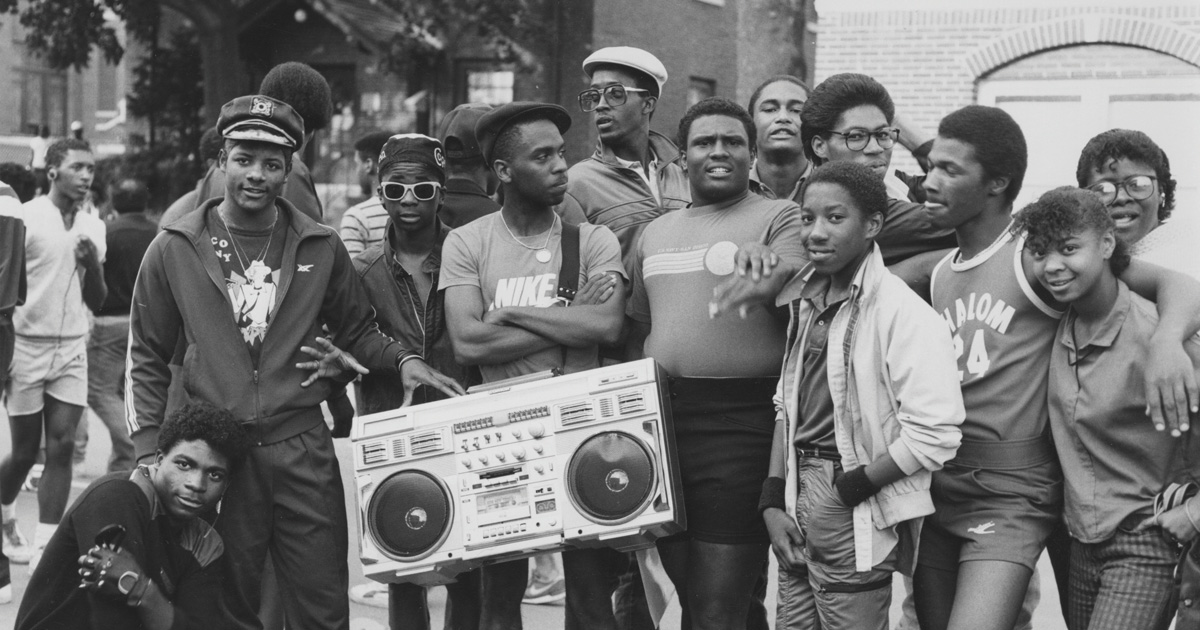
Discover the rich tapestry of Milwaukee through the lens of Bill Tennessen at the Haggerty Museum of Art, situated within Marquette University. Mr. Tennessen’s extensive documentation of life in Milwaukee since 1981 is showcased, providing a compelling and diverse narrative of the city’s evolution.
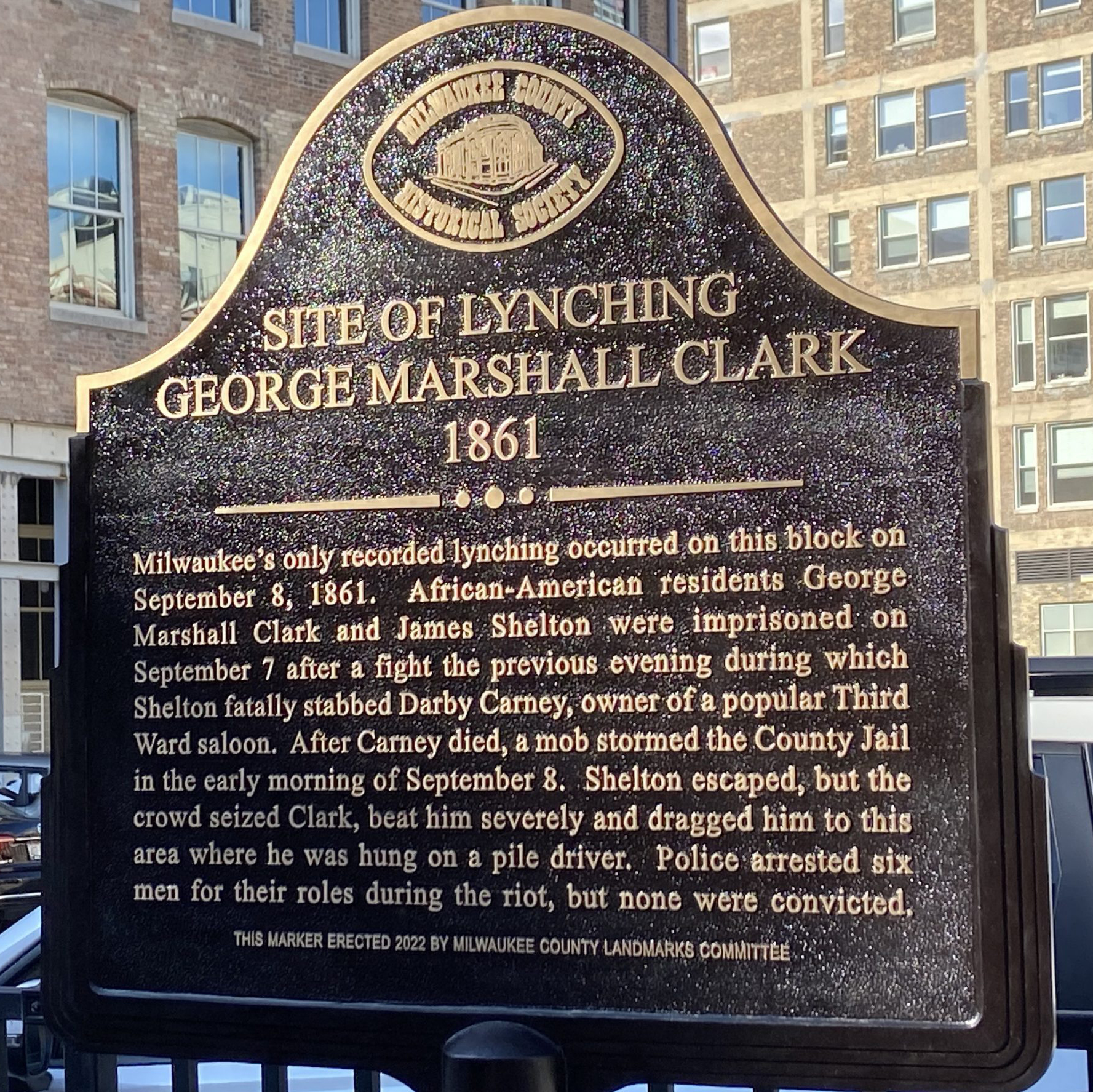
Local officials, area leaders, and community members gathered in the Third Ward of Milwaukee County to honor George Marshall Clark, a victim of racial violence who was lynched on September 8, 1861. The dedication ceremony was organized by the Milwaukee County Landmarks Committee, part of the Milwaukee County Historical Society, and marked a vital step forward in acknowledging the past, promoting social justice, and preserving the memory of George Marshall Clark.
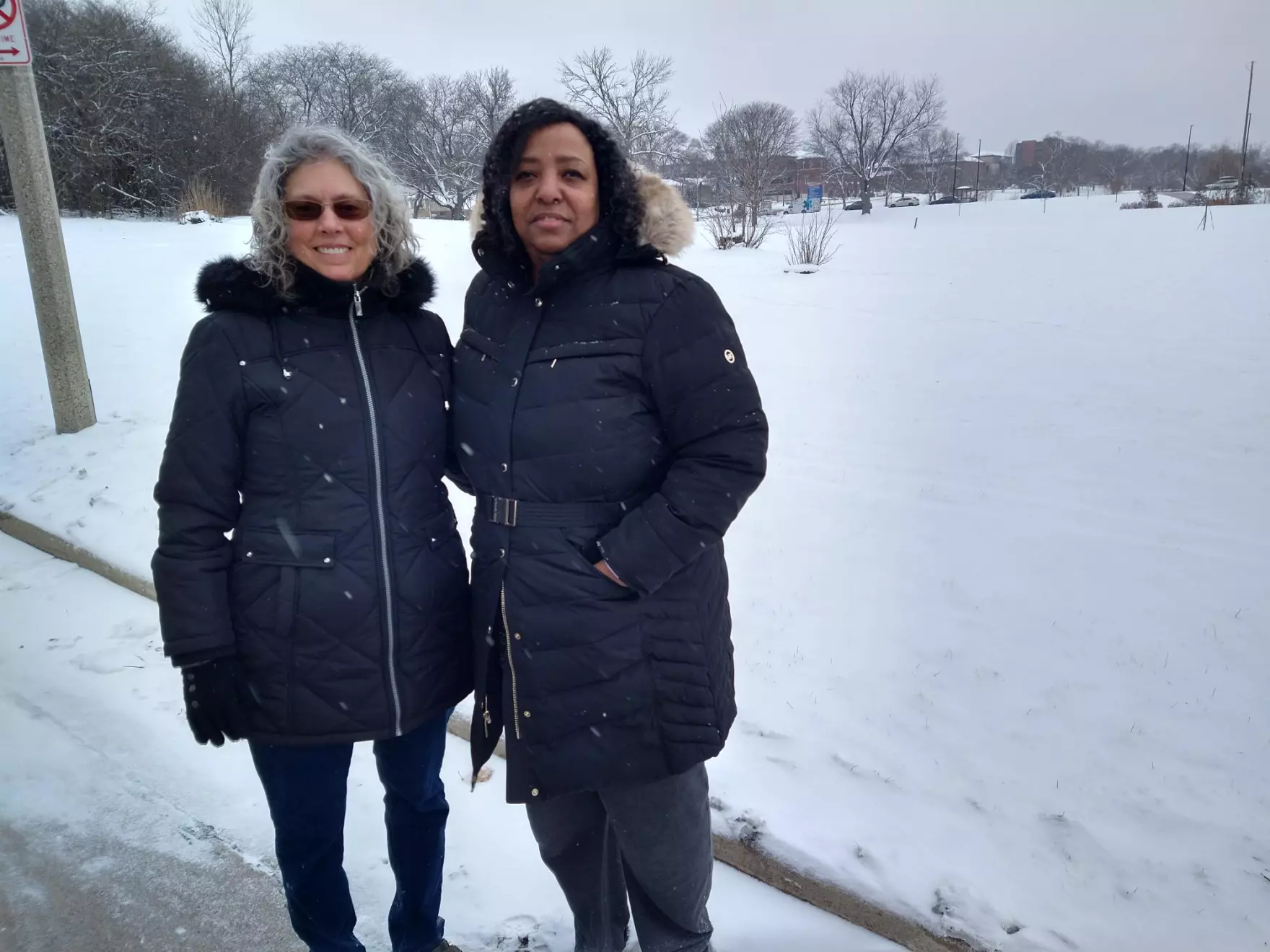
Two Wisconsin genealogists want to highlight the significance and protect the sanctity of Milwaukee’s poor burial sites, such as Cemetery One.
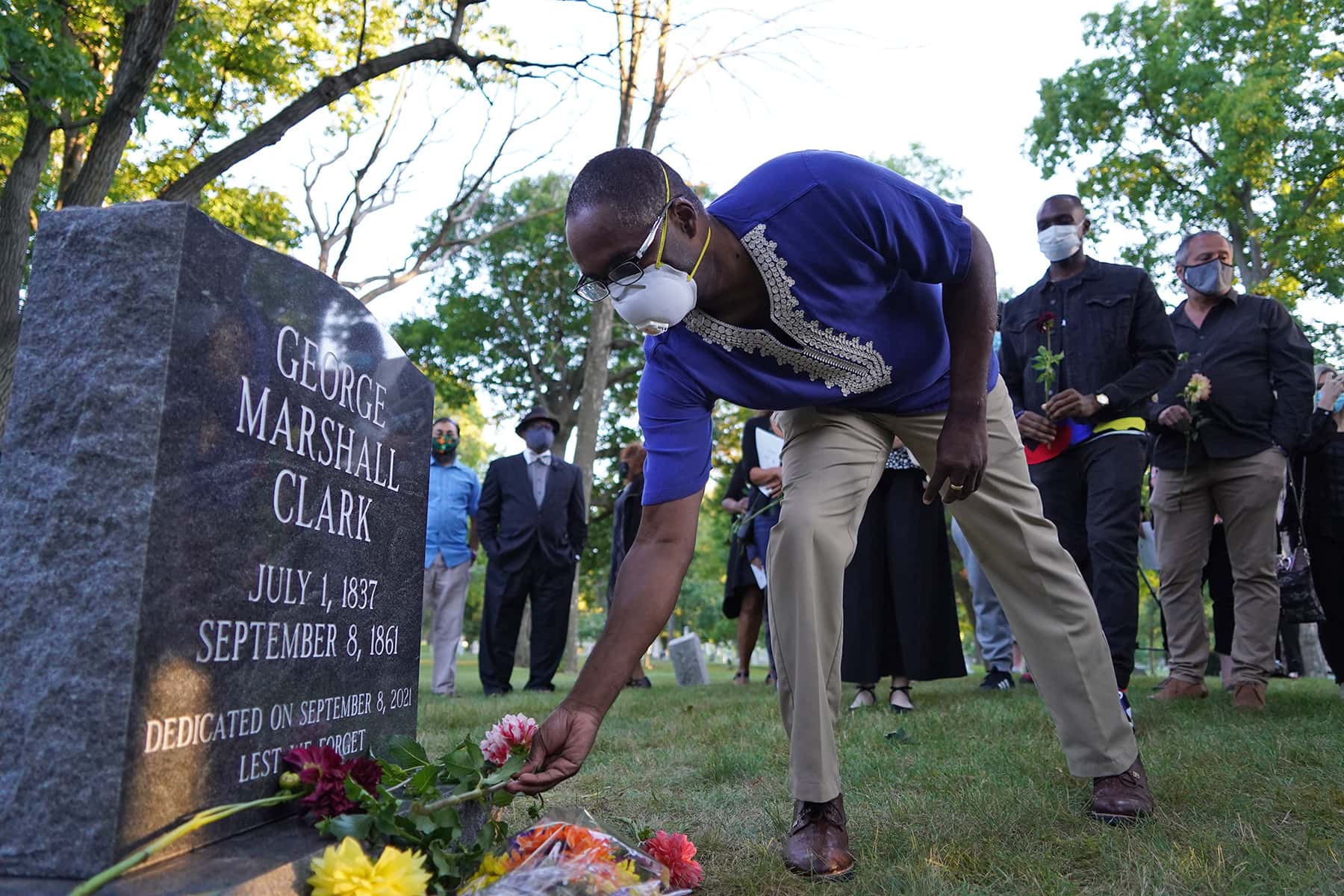
Nearly two centuries after his brief life and brutal death were entered into public record as the only recorded lynching in Milwaukee history, George Marshall Clark’s unmarked grave was memorialized with a granite headstone during a special ceremony at Forest Home Cemetery on September 8. The moving event was sponsored by ABHM and Forest Home Cemetery.

American descendants of slaves have celebrated Juneteenth for 153 years, but freedom remains elusive for many.