Search Results

40 HBCUs will benefit from donated funds intend to increase education and career opportunities for students.
Read More >
The Black unemployment rate hit a record low in March, a milestone for a U.S. labor market that most policymakers and economists expect to begin cooling in the face of higher interest rates, jeopardizing those historic gains. The unemployment rate for Black Americans reached 5.0% with Black women having an even lower rate. Centuries of racial injustice and resistance to reparations for Black Americans have contributed to the Black unemployment rate, The 1963 March on Washington was originally the March on Washington for Jobs and Freedom. Civil rights leaders and Black economists have advocated for economic welfare and equal rights for Black Americans.
Read More >
The newest Justice Department investigation of police racism is aimed toward the employment policies of Kansas City’s police department.
Read More >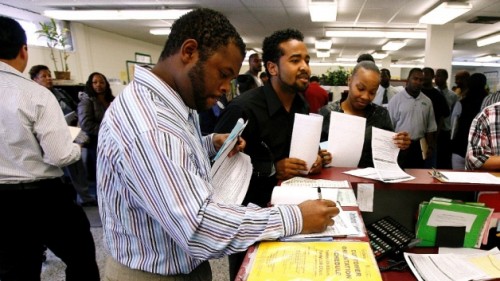
A new book busts myths about Black people in the workplace, finding that racism and stereotypes prevent employment success.
Read More >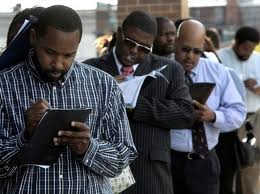
As the economy worsens, unemployment has increased for Black workers, straining their families and community.
Read More >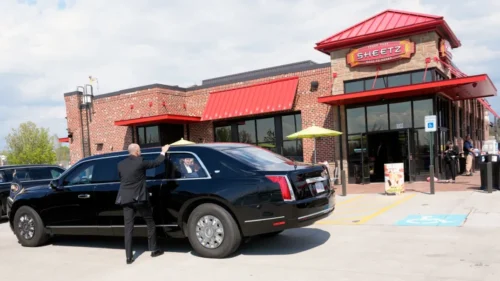
Convenience store chain, Sheetz, faces discrimination lawsuit based on the disproportionate impact its hiring practices have on minorities. Altoona, PA-based Sheetz automatically weeds out applications whom the company deems to have failed criminal background checks. Federal officials say they take issue with the criminal background check screening of applicants.
Read More >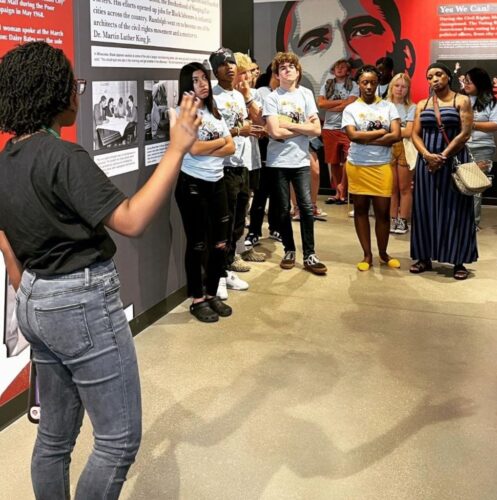
ABHM’s Jr. Griot Program is now accepting applications for summer positions! This paid opportunity is for high school students who are interested in providing guided tours of the museum and supporting other education department programs. Funded by Milwaukee’s Earn & Learn program, ABHM’s Jr. Griots will be trained to communicate the important history we share at that museum.
Read More >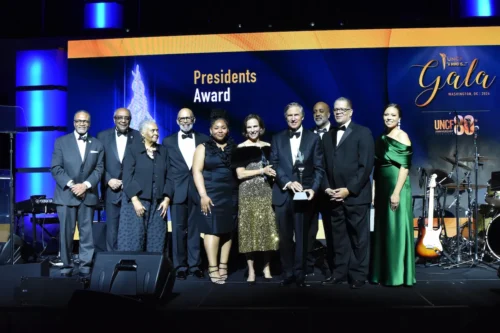
An elegant event recognizing the UNCF’s history of making education accessible attracted celebrities and raised money.
Read More >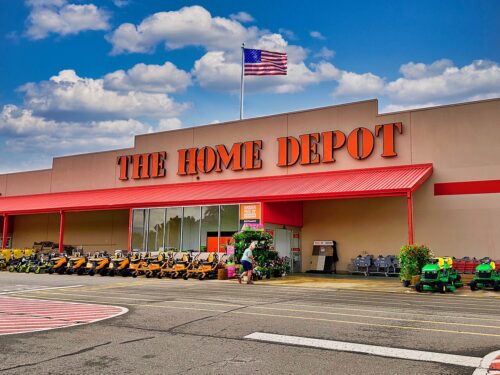
The labor board finds that a former employee of The Home Depot has a right to organize for better work conditions, including racial equality.
Read More >