Search Results

Examine the harmful stereotypes of Black women that emerged from slavery and were reinforced through popular culture, advertising, entertainment, and everyday objects. Consider how the figures of the Mammy, Jezebel, and Sapphire were created to shape perceptions of Black women—and how the ideas behind these caricatures continue to influence how Black women are seen and treated today.

Examine the harmful caricatures used to portray Black children as less than fully human, from the pickaninny imagery of cartoons, postcards, and minstrel shows to the widely circulated character of Little Black Sambo. Consider how these images denied Black children their innocence and dignity, shaped racial attitudes across generations, and left a legacy that continues to raise questions about representation and cultural memory.

This page introduces the racist stereotypes explored throughout the gallery and examines how caricatures were deliberately created and repeated to dehumanize Black people and deny their dignity and individuality. It also defines key concepts—including dehumanization, objectification, and racial terror—that provide context for understanding the images and objects that follow.

Racist postcards carried harmful stereotypes into everyday correspondence, allowing people to share and normalize degrading images of Black Americans alongside ordinary personal messages. Lynching postcards reveal an even more violent dimension of this practice, including the 1930 lynching that America’s Black Holocaust Museum founder, Dr. James Cameron, survived, and raise questions about how these images reinforced racial terror and white supremacy.

Trace how popular fiction, stage productions, and early cinema helped romanticize the Ku Klux Klan and spread racist portrayals of Black Americans, culminating in one of the most influential films in American history. Discover the Wisconsin connections behind its production and the efforts in Milwaukee to prevent its racist message from being shown to local audiences.
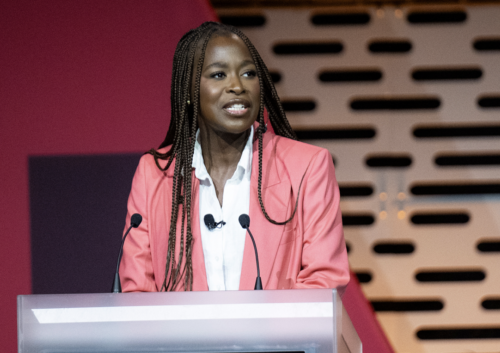
Black journalists face a crisis of trust and layoffs while fighting to report truth amid rising attacks on Black and Brown communities.

Stanford University backlash after using A.I. to erase a Hispanic student from a promotional banner and alter other students’ appearances.

With growing support networks online and in person, these moms say they’re changing the narrative around Black single motherhood. These single moms by choice (SMBC) encounter difficulties family-building and rely on their communities for support.

Bunch was tapped to be one of several speakers in Milwaukee’s Bronzeville Center for the Arts speaker series.

Over the past year, at least 10 Black people have been found hanging from trees, with some deaths ruled suicides that families question.